The Ultimate Power of Content Marketing: Proven Ways to Attract and Retain Customers

Primary Keyword:Content Marketing
Secondary Keywords:
content marketing strategy
customer retention
customer engagement
lead generation
brand awareness
Meta Title:
The Power of Content Marketing to Attract and Retain Customers
Meta Description:
Content marketing helps businesses attract and retain customers, build trust, increase engagement, and drive long-term business growth through valuable content.
URL Slug:
content-marketing-attract-retain-customers
H1:The Ultimate Power of Content Marketing: Proven Ways to Attract and Retain Customers

Table of Contents
Introduction
In today’s competitive digital world, businesses need more than traditional advertising to reach their audience. Customers are constantly searching for helpful information, solutions to their problems, and trustworthy brands they can rely on. This is whereContent Marketing becomes a powerful tool for business growth.
Content Marketing focuses on creating and sharing valuable, relevant, and consistent content that attracts a specific audience. Instead of directly promoting products or services, businesses provide useful information that educates, entertains, or solves customer problems. This approach builds trust and strengthens relationships over time.
Whether you run a small business, an online store, or a large company, Content Marketing can help increase visibility, generate leads, improve customer engagement, and boost customer loyalty. Companies that invest in Content Marketing often experience stronger brand recognition and better long-term results than those relying solely on paid advertising.
In this article, we will explore the power of Content Marketing, how it attracts new customers, and why it plays a critical role in retaining existing customers for sustainable business success.

H2: What Is Content Marketing?
https://qylenovo.site/blog/content-marketing-strategyContent Marketing strategy is a marketing approach focused on creating valuable and relevant content to attract and engage a target audience. Rather than pushing sales messages, businesses provide information that helps customers make informed decisions.
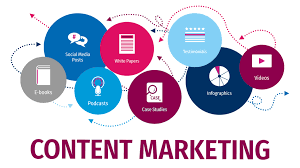
Effective Content Marketing includes blog posts, videos, social media content, email newsletters, podcasts, case studies, and infographics. The goal is to build trust while guiding potential customers through the buying journey.
H3: Key Characteristics of Content Marketing
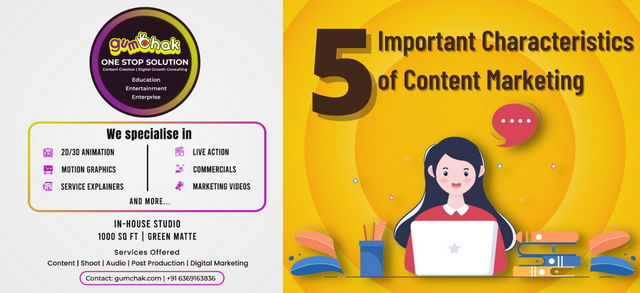
- Customer-focused approach
Content is created to address audience needs, interests, and challenges. - Long-term strategy
Results grow steadily as content continues attracting visitors over time. - Value-driven communication
Helpful content builds credibility and strengthens customer relationships. - Consistent publishing
Regular updates improve visibility and audience engagement.
H2: Why Content Marketing Matters in Today’s Digital World
Consumers have access to unlimited information online. Before making a purchase, most people research products, compare options, and read reviews. Content Marketing helps businesses become visible during this decision-making process.
When customers consistently find useful information from a brand, they begin to view that business as a trusted authority. This trust increases the likelihood of future purchases and long-term loyalty.
Businesses that prioritize Content Marketing also benefit from improved search engine rankings, increased website traffic, and stronger brand awareness.
H3: Benefits of Content Marketing for business
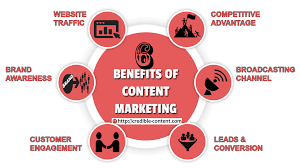
- Increases brand awareness
Content marketing helps more people discover your brand through valuable and informative content. - Improves search engine rankings
High-quality, optimized content boosts your visibility on Google and drives organic traffic. - Builds trust and credibility
Sharing useful information positions your business as an expert in your industry. - Generates quality leads
Content attracts potential customers who are genuinely interested in your products or services. - Supports customer engagement
Engaging content encourages users to interact with your brand and stay connected. - Cost-effective marketing strategy
Compared to paid ads, content marketing delivers long-term results at a lower cost.
H2: How Content Marketing Attracts New Customers
Content marketing attracts new customers by providing valualble information that solves their problems and answers their questions. Instead of directly promoting products, businesses create blogs, videos, and guides that educate and engage their audience. This helps build trust and positions the brand as an authority in its industry. When users find helpful content through search engines or social media, they are more likely to explore the brand and consider its offerings.https://qylenovo.site/blog/how-content-marketing-attracts-new-customers
In addition, content marketing improves visibility on search engines by using targeted keywords and optimized content. This allows businesses to appear in front of potential customers when they are actively searching for solutions. Sharing content across multiple platforms also increases reach and brand awareness. Over time, this consistent exposure helps convert new visitors into leads and loyal customers by building
H3: Improves Search Engine Visibility
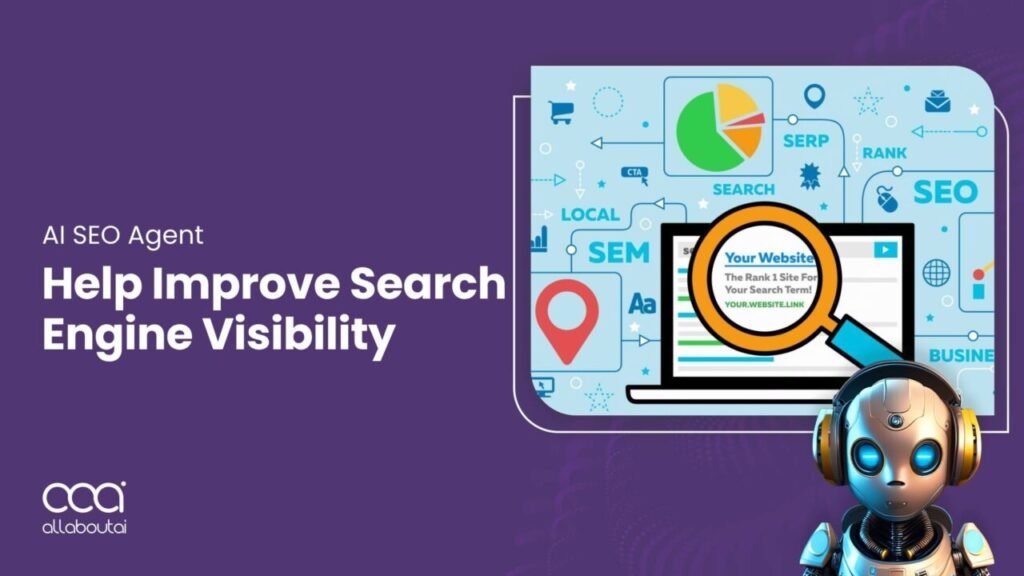
Better keyword targeting
Content marketing helps you naturally include relevant keywords that improve your chances of ranking on search engines.
Increases website indexing
Regularly publishing quality content allows search engines to crawl and index your pages more frequently.
Boosts organic traffic
Optimized content attracts more visitors from search engines without paid advertising.
Enhances domain authority
High-quality, informative content earns backlinks, which improves your site’s authority and rankings.
Improves user engagement signals
Engaging content keeps users on your site longer, signaling quality to search engines.
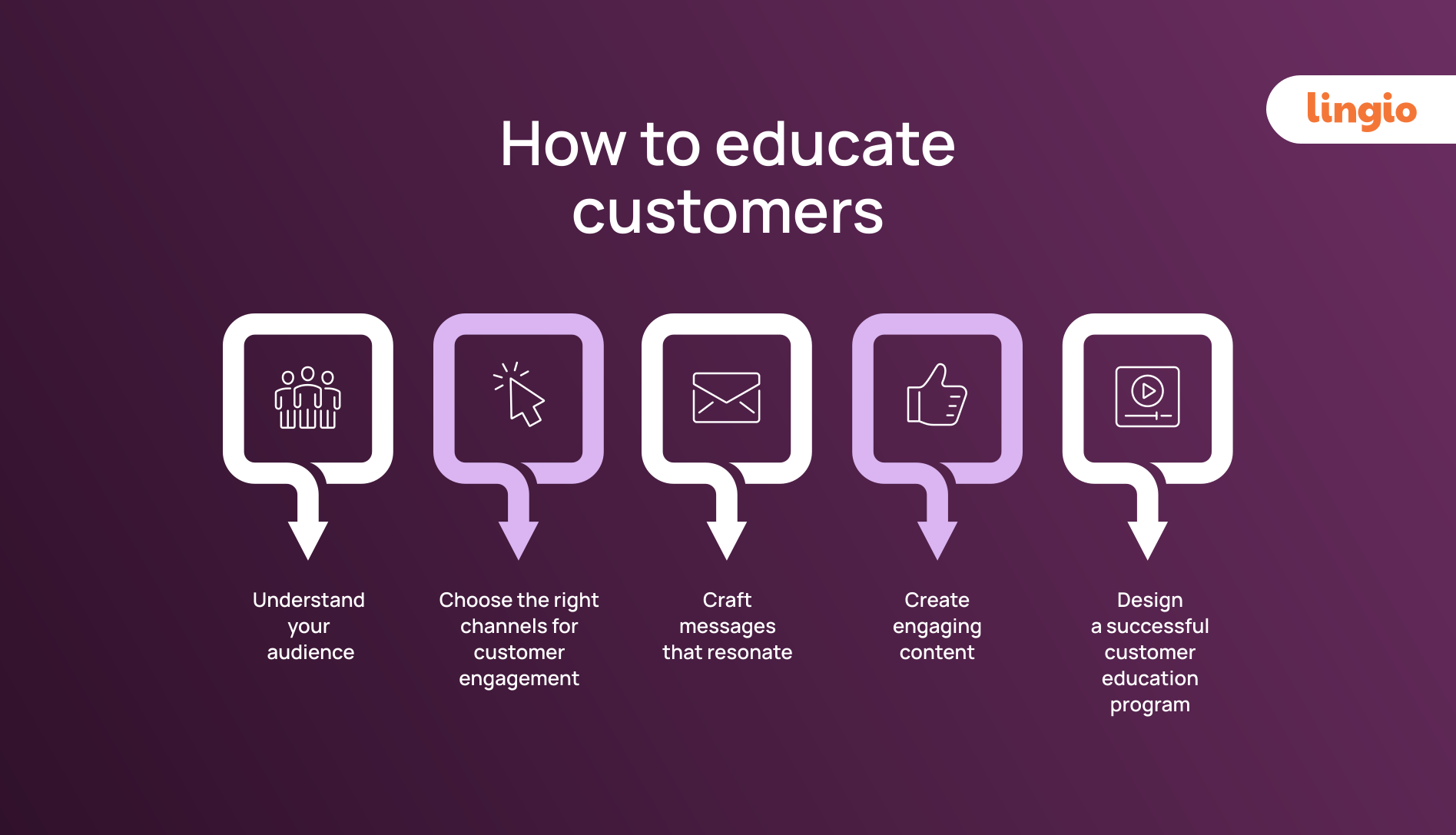
H3: Educates Potential Customers
Explains products or services clearly
Content marketing helps simplify complex offerings so customers understand what you provide and how it benefits them.
Answers common customer questions
Informative content addresses doubts and helps potential buyers make confident decisions. Builds awareness of problems and solutions
It helps customers recognize their needs and understand how your product can solve them. Guides the buying journey
Educational content supports users at every stage, from awareness to final purchase. Improves decision-making
Well-informed customers are more likely to choose your brand with confidenc
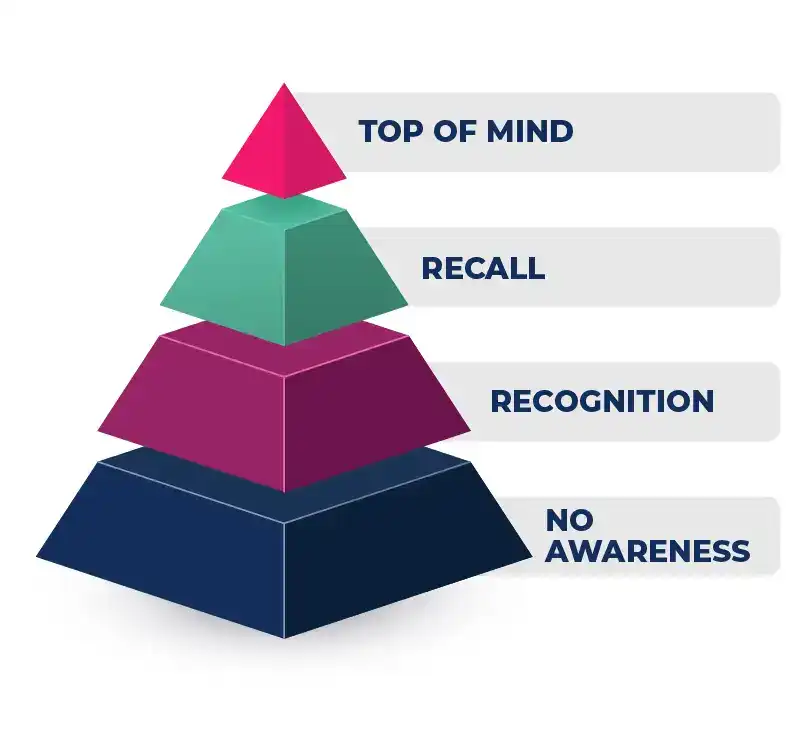
H3: Builds Brand Awareness in content marketing
Increases brand visibility online
Consistent content marketing helps more people discover your brand across search engines and social media.
Reaches a wider audience
High-quality content can be shared, allowing your brand to connect with new potential customers.
Creates a strong brand identity
Regular content helps define your voice, values, and personality in the market.
Improves recognition and recall
When users see your content often, they are more likely to remember your brand.
Strengthens online presence
Publishing valuable content builds a consistent and trustworthy digital footprint.
H3: Generates Quality Leads
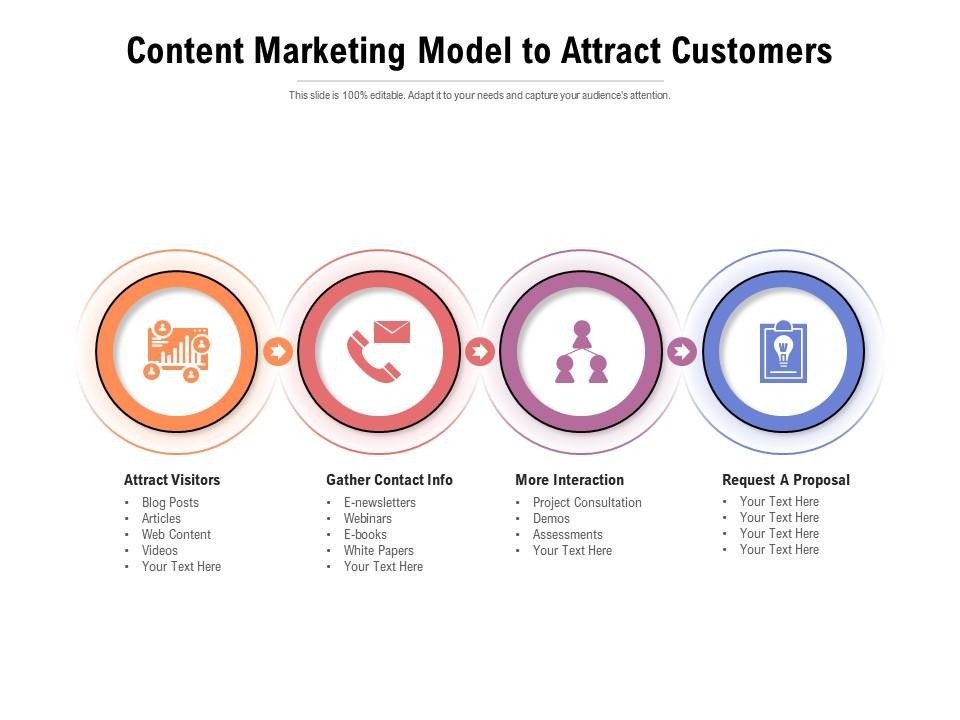
- Valuable resources encourage visitors to share contact information.Attracts interested prospects
Content marketing draws users who are actively searching for solutions, increasing the chances of conversion. - Captures targeted audience attention
Well-optimized content reaches people who are already interested in your products or services. - Encourages lead form submissions
Valuable content motivates users to sign up, subscribe, or request more information. - Supports lead nurturing process
Educational content guides potential customers through the sales funnel step by step. - Improves conversion rates
High-quality leads generated through content are more likely to become paying customers.

H2: The Role of Content Marketing in Customer Retention
Attracting customers is important, but retaining them is even more valuable. Acquiring a new customer often costs more than keeping an existing one. Content Marketing helps businesses maintain strong relationships after the initial purchase.
By continuing to provide useful information, updates, and support, businesses keep customers engaged and satisfied.
H3: Strengthens Customer Relationships

Builds trust through consistent communication
Regular and valuable content keeps your audience engaged and strengthens trust over time. Provides ongoing value to customers
Helpful content after purchase shows customers that your brand cares about their success. Encourages long-term engagement
Engaging content keeps customers connected with your brand even after the buying process. Improves customer satisfaction
Educational and supportive content helps customers get the most out of your products or services.
Creates loyal brand advocates
Satisfied customers are more likely to recommend your brand to others.
H3: Encourages Repeat Purchases
Keeps customers engaged with your brand
Regular content reminds customers about your products and encourages them to return for more. Builds strong brand loyalty
Valuable and consistent content increases trust, leading to repeat buying behavior. Promotes new products and offers
Content marketing informs existing customers about updates, discounts, and new launches. Enhances post-purchase experience
Helpful guides and tips encourage customers to continue using and repurchasing products. Strengthens long-term relationships
Ongoing engagement makes customers more likely to choose your brand again over competitors.

- Regular content keeps products and services top of mind.
- Engaged customers are more likely to return.
H3: Enhances Customer Experience
Keeps customers engaged with your brand
Regular content and updates remind customers about your products and encourage them to buy again.
Trust and Value-Driven Content:A Key to Customer Loyalty
Trust and value-driven content make customers more likely to return for future purchases. Highlights new products or offers
Content marketing informs customers about new launches, deals, and updates. Provides ongoing value after purchase
Helpful guides and tips encourage customers to continue using your products. Strengthens customer relationships
Consistent communication increases satisfaction and encourages repeat buying behavior

- Educational resources help customers use products effectively.
- Better experiences increase satisfaction and loyalty.
H3: Builds Community
- Encourages audience interaction
Content marketing creates space for users to comment, share, and engage with your brand. - Creates a sense of belonging
Regular engagement helps customers feel part of a trusted brand community. - Strengthens brand loyalty
Active communities lead to stronger emotional connections and long-term customer loyalty. - Promotes user-generated content
Customers share their experiences, reviews, and feedback, increasing brand authenticity. - Facilitates discussions and feedback
Community-driven content encourages valuable conversations around your products or services.
.webp "The Ultimate Power of Content Marketing: Proven Ways to Attract and Retain Customers")
- Interactive content encourages conversations and participation.
- Strong communities create deeper brand connections.
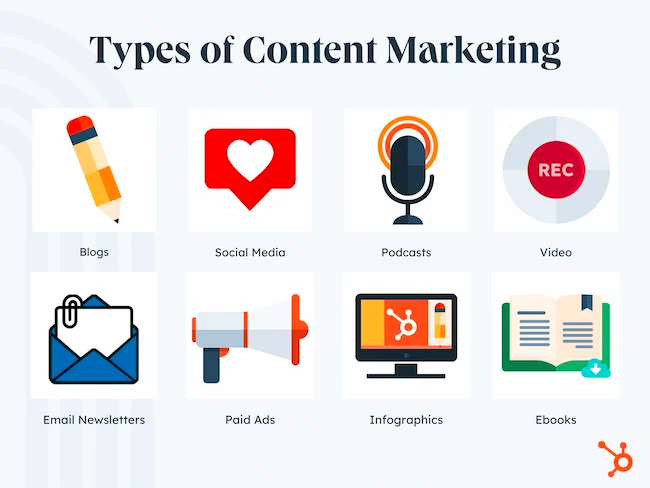
H2: Types of Content Marketing That Drive Results
Different types of Content Marketing help businesses connect with their audience in unique ways and achieve specific marketing goals. Blog posts are one of the most effective forms of content because they improve search engine rankings, answer customer questions, and drive organic traffic to a website. Videos are highly engaging and allow businesses to explain products, share tutorials, and tell compelling brand stories. Social media content helps increase brand awareness, encourages audience interaction, and expands reach across multiple platforms. Email marketing enables businesses to deliver personalized content directly to subscribers, nurturing relationships and encouraging repeat purchases. Case studies and customer success stories build trust by demonstrating real-world results, while infographics simplify complex information into easy-to-understand visuals. By using a mix of these content formats, businesses can create a well-rounded Content Marketing strategy that attracts new customers, increases engagement, and supports long-term customer retention.
H3: Blog Posts in content marketing:
Provides valuable information
Blog posts educate readers with useful insights, tips, and solutions related to your industry. Improves search engine rankings
Regular blogging helps target keywords and increases organic visibility on Google. Drives website traffic
Informative content attracts new visitors from search engines and social media. Builds brand authority
High-quality blogs position your business as an expert in your field. Supports customer engagement
Blogs encourage readers to comment, share, and interact with your brand.

H3: Videos
Improves audience engagement
Videos capture attention quickly and keep users engaged longer than text-based content. Explains complex ideas easily
Visual content helps simplify topics and makes information easier to understand. Boosts conversion rates
Product or service videos influence buying decisions and increase customer trust. Increases brand awareness
Shareable videos help your brand reach a wider audience across platforms. Enhances SEO performance
Video content improves time on page and can boost search engine rankings.
H3: Email Marketing
Builds direct customer communication
Email marketing allows businesses to connect directly with their audience in a personal and targeted way. Promotes products and offers effectively
It helps share updates, discounts, and new launches directly with interested customers. Improves customer retention
Regular emails keep your brand top-of-mind and encourage repeat engagement. Drives website traffic
Well-crafted emails bring users back to your website for blogs, products, or services.
cost-effective marketing strategy:
Email marketing delivers high ROI with minimal investment compared to other channels.

H3: Social Media Content
Increases brand visibility
Social media content helps your brand reach a large and diverse audience across platforms. Boosts audience engagement
Posts, reels, and stories encourage likes, comments, and shares from users. Drives website traffic
Engaging content attracts users to visit your website for more information or purchases. Builds brand personality
Social media allows you to showcase your brand voice, values, and identity. Encourages customer interaction
It creates direct communication between your brand and customers in real time.

H3: Case Studies
Show real-world success stories
Case studies demonstrate how your product or service has solved actual customer problems. Build trust and credibility
Sharing proven results helps potential customers trust your brand more. Highlight practical applications
They show exactly how your solution works in real business scenarios. Influence buying decisions
Detailed success stories help prospects make confident purchase choices. Strengthen brand authority
Case studies position your business as experienced and reliable in your industry.

H2: Best Practices for a Successful Content Marketing Strategy
A successful Content Marketing Strategy requires careful planning, consistency, and a deep understanding of your target audience. Businesses that achieve the best results focus on creating valuable content that addresses customer needs rather than simply promoting products or services. Start by identifying your audience’s interests, challenges, and goals, then develop content that provides useful solutions. Consistently publishing high-quality blog posts, videos, emails, and social media content helps build trust and keeps your brand visible. It is also important to optimize content for search engines to improve online visibility and attract organic traffic. Regularly tracking performance metrics such as website visits, engagement rates, and conversions allows businesses to refine their strategy and improve results over time. By combining audience-focused content, SEO best practices, and data-driven improvements, a strong Content Marketing Strategy can attract new customers, strengthen customer relationships, and support long-term business growth.

H3: Understand Your Audience
Identifies customer needs and preferences
Understanding your audience helps you create content that matches their interests and solves their problems. Improves content relevance
When you know your audience, you can deliver more targeted and meaningful content. Enhances engagement levels
Content tailored to audience behavior leads to higher interaction and response rates. Supports better marketing strategies
Audience insights help you plan campaigns that are more effective and focused. Increases conversion rates
Relevant content attracts the right users, leading to more leads and saleshttps://qylenovo.site/blog/understanding-customer-needs-for-content-marketing

H3: Focus on Quality
Builds trust with your audience
High-quality content shows professionalism and helps your brand earn customer trust.
Improves search engine rankings:
Valuable and well-written content is rewarded by search engines with better visibility.
Increase user engagement:
Quality content keeps readers interested and encourages them to stay longer on your site. Enhances brand reputation
Consistently good content positions your brand as reliable and authoritative. Drives better conversions
Informative and useful content helps users make confident purchase decisions.
H3: How Quality Content Increases Conversions
High-quality content directly influences user decisions by providing clear, helpful, and trustworthy information. When users find answers to their problems through your content, they are more likely to take the next step, such as signing up, contacting your business, or making a purchase.
Well-structured and informative content also reduces confusion during the buying journey, making it easier for customers to trust your brand. By addressing user needs at the right time, quality content naturally guides visitors toward conversion without feeling forced or overly promotionalconversions.https://qylenovo.site/blog/content-marketing-for-conversions

H3: Maintain Consistency
Builds strong brand recognition
Consistent content helps audiences easily recognize and remember your brand. Improves audience trust
Regular posting shows reliability and keeps your brand active and dependable. Boosts engagement over time
Consistency keeps your audience connected and encourages ongoing interaction. Supports better SEO performance
Frequent content updates help improve search engine visibility and indexing. Strengthens content strategy
A consistent approach ensures your messaging stays clear and focused across all platforms.

H3: Measure Performance
Tracks content effectiveness
Measuring performance helps you understand which content is working and which is not. Improves decision-making
Analytics data allows you to make smarter marketing and content strategy decisions.
Identifies audience behaviour:
Performance metrics show how users interact with your content and what they prefer.
Increase ROI:
Tracking results helps optimize campaigns for better returns on investment.
Optimized future content strategy:
Insights from performance data guide you in creating more effective content in the future.
H3: Data-Driven Planning for Future Content
Optimizing a future content strategy starts with analyzing performance data from existing content. By reviewing metrics such as traffic, engagement, bounce rate, and conversions, you can identify what topics and formats work best for your audience. This helps you focus on high-performing content types and eliminate less effective efforts.https://qylenovo.site/blog/data-driven-content-planning
Using keyword research and audience insights, you can plan content that matches user intent and search trends. A data-driven approach ensures your future content is more targeted, relevant, and capable of delivering stronger results for long-term growth.
H2: Common Content Marketing Mistakes to Avoid
While Content Marketing can deliver significant business growth, many companies fail to achieve results because of common mistakes. One of the biggest errors is creating content without a clear strategy or understanding of the target audience. Publishing content that does not address customer needs can lead to low engagement and poor conversion rates. Another mistake is focusing too heavily on sales promotions instead of providing valuable and informative content. Inconsistent publishing schedules can also reduce audience trust and make it difficult to maintain visibility in search engines. Additionally, neglecting SEO best practices may prevent content from reaching potential customers, limiting its effectiveness. Many businesses also fail to track performance metrics, making it harder to identify what works and what needs improvement. By avoiding these mistakes and focusing on quality, consistency, audience value, and optimization, businesses can maximize the impact of their Content Marketing efforts and achieve better long-term results.
H3: Publishing Irregularly
Reduces audience engagement
Inconsistent posting makes it harder to keep your audience interested and engaged. Hurts brand visibility
Irregular content updates can lower your presence on search engines and social media. Breaks audience trust
When content is not consistent, users may lose trust in your brand reliability. Negatively impacts SEO performance
Search engines prefer regularly updated websites for better rankings. Slows audience growth
Inconsistent publishing reduces opportunities to attract and retain new visitors.

H3: Ignoring Audience Needs
- Reduces engagement levels
Content that doesn’t match audience interests leads to low interaction and poor response. - Decreases trust and credibility
When content ignores user needs, audiences may lose confidence in your brand. - Lowers conversion rates
Irrelevant content fails to guide users toward taking action or making purchases. - Weakens customer relationships
Not addressing audience problems can push customers away from your brand. - Hurts long-term growth
Ignoring audience needs limits brand loyalty and slows business development.

H3: Neglecting SEO
- Reduces search engine visibility
Without SEO optimization, your content is less likely to appear in search results. - Lowers organic traffic
Poor SEO means fewer users can discover your website naturally. - Weakens keyword performance
Ignoring SEO prevents your content from ranking for important search terms. - Decreases competitive advantage
Competitors with better SEO strategies are more likely to outrank your content. - Limits long-term growth
Without SEO, your content struggles to generate consistent and scalable traffic.

H3: Failing to Measure Results
Leads to unclear performance insights
Without tracking results, you cannot understand what content is working effectively. Reduces marketing effectiveness
Lack of measurement makes it difficult to improve or optimize your strategy. Wastes time and resources
You may continue investing in content that does not deliver results. Prevents data-driven decisions
Without analytics, decisions are based on guesswork instead of real performance data. Slows business growth
Ignoring results tracking limits your ability to scale successful content strategies.

H2: Measuring the Success of Your Content Marketing Efforts
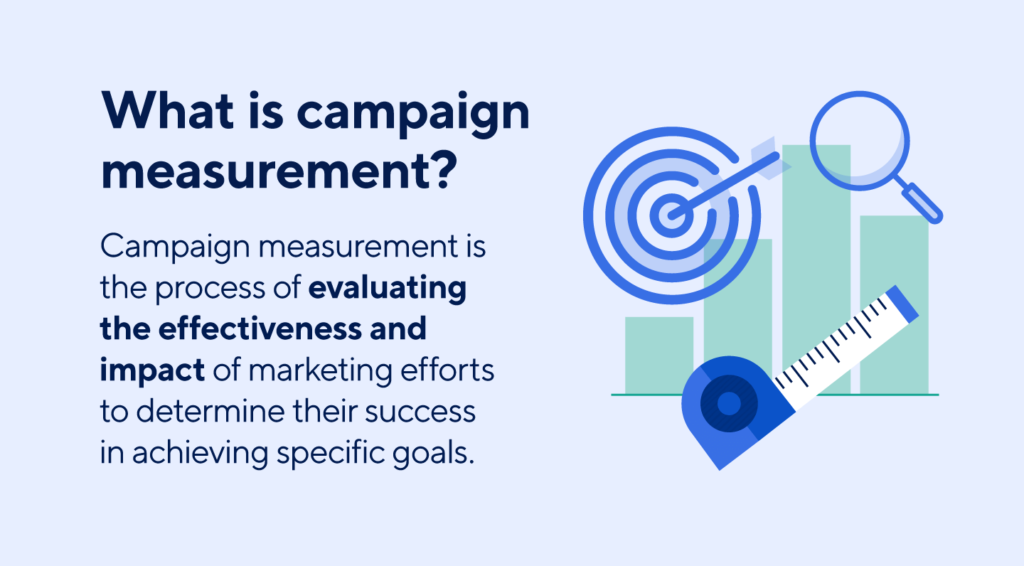
Measuring performance is essential for improving your Content Marketing strategy and achieving long-term business goals. Without tracking results, it becomes difficult to understand which content resonates with your audience and drives meaningful outcomes. Businesses should regularly analyze key metrics such as website traffic, engagement rates, lead generation, conversion rates, and customer retention. These insights help identify successful content types and areas that need improvement. A data-driven Content Marketing approach allows businesses to optimize their efforts, maximize return on investment, and create content that delivers better results over time.
H3: Key Metrics to Track
- Website Traffic
Monitor the number of visitors coming to your website through content. - Engagement Rate
Track comments, shares, likes, and time spent on content. - Lead Generation
Measure how many potential customers are captured through content. - Conversion Rate
Analyze how many visitors take desired actions such as purchases or sign-ups.
H2: How Content Marketing Builds Brand Authority
One of the greatest benefits of Content Marketing is its ability to establish brand authority within an industry.When businesses consistently publish valuable, accurate, and informative content, they become trusted sources of information for their audience. Customers are more likely to engage with and purchase from brands they view as knowledgeable and reliable. Strong Content Marketing helps businesses stand out from competitors, strengthen credibility, and build lasting customer relationships that support sustainable growth.
H3: Ways to Establish Authority
- Publish Expert Content
Share industry insights, research, and practical solutions. - Answer Customer Questions
Address common concerns to build trust and confidence. - Share Success Stories
Showcase real customer experiences and achievements. - Maintain Consistency
Regular content publishing reinforces expertise and reliability.

H2: The Long-Term Benefits of Content Marketing
Unlike short-term advertising campaigns, Content Marketing continues to provide value long after content is published. High-quality content can generate traffic, leads, and customer engagement for months or even years. As businesses build a library of valuable resources, they strengthen their online presence and increase opportunities for customer acquisition and retention. A consistent Content Marketing strategy creates sustainable growth by improving brand awareness, increasing trust, and supporting long-term business objectives.content-marketing-strategy
H3: Long-Term Advantages

- Sustainable Traffic Growth
Quality content attracts visitors over an extended period. - Improved Customer Loyalty
Helpful content encourages customers to stay connected with your brand. - Higher Marketing ROI
Content continues delivering results without ongoing advertising costs. - Stronger Brand Recognition
Consistent visibility increases awareness and market presence.
H2: Why Every Business Needs Content Marketing
In today’s digital landscape, businesses of all sizes can benefit from Content Marketing. Consumers expect valuable information before making purchasing decisions, and businesses that provide helpful content gain a competitive advantage. Whether the goal is increasing website traffic, generating leads, building trust, or improving customer retention, Content Marketing plays a crucial role in achieving success. By investing in a strategic content plan, businesses can create meaningful customer relationships and drive long-term growth.

H3: Reasons to Invest in Content Marketing
- Attract More Customers
Valuable content helps potential customers discover your business. - Build Customer Trust
Educational content positions your brand as a reliable resource. - Increase Online Visibility
SEO-friendly content improves search engine rankings. - Support Business Growth
Consistent content contributes to long-term revenue and brand development.
H2: The Future of Content Marketing
As consumer expectations evolve, Content Marketing will remain one of the most effective digital marketing strategies. Businesses that consistently create valuable content will continue to attract customers, improve engagement, and build long-term loyalty.
Personalization, artificial intelligence, interactive experiences, and video content are expected to shape the future of Content Marketing. Companies that adapt to these trends will gain a competitive advantage and strengthen customer relationships.
Future of Content Marketing Strategy
Content marketing continues to evolve as digital platforms become more competitive and user expectations increase. Businesses that focus on delivering valuable, relevant, and consistent content will remain ahead in the long term. The future of content marketing will be driven by personalization, data analytics, and audience-focused storytelling.
One of the most important changes is the rise of personalized content experiences. Instead of creating generic content for everyone, brands are now focusing on tailored messages based on user behavior, interests, and search intent. This helps improve engagement and increases the chances of conversion.
Another key factor is the use of data-driven decision-making. Marketers are now relying on analytics tools to understand what type of content performs best. This includes tracking user engagement, click-through rates, and conversion metrics. By analyzing this data, businesses can refine their content strategy and focus on what truly works.
In addition, visual and interactive content such as videos, infographics, and quizzes are becoming more important. These formats help capture user attention quickly and improve the overall user experience on websites and social media platforms.https://qylenovo.siteblog/content-marketing-strategy
Consistency will also remain a major factor in success. Brands that publish content regularly build stronger relationships with their audience and improve their visibility in search engines over time.
Overall, a well-planned and optimized content marketing strategy will continue to be one of the most effective ways to build brand awareness, trust, and long-term business growth.
Conclusion
The power of Content Marketing lies in its ability to create meaningful connections with customers. By delivering valuable information, businesses can attract new audiences, build trust, and encourage long-term loyalty.
A well-planned Content Marketing Strategy supports every stage of the customer journey—from awareness and lead generation to engagement and retention. Businesses that invest in Content Marketing consistently gain stronger brand authority, better customer relationships, and sustainable growth.
Whether you are a startup or an established brand, implementing an effective Content Marketing approach can help you stand out in a crowded marketplace and achieve long-term success.