
Introduction
Artificial intelligence has moved from being a futuristic concept to becoming one of the most powerful technologies shaping modern business growth. In 2026, AI in digital marketing is no longer just an advantage for large companies; it has become an essential strategy for businesses of all sizes. Companies are using AI to understand customers better, create personalized experiences, automate repetitive tasks, improve advertising performance, and make smarter marketing decisions.
The digital marketing landscape is changing rapidly because customers now expect faster responses, personalized recommendations, and meaningful interactions with brands. Traditional marketing methods alone are not enough to meet these expectations. AI helps marketers analyze massive amounts of data, predict customer behavior, and deliver the right message to the right audience at the right time.
Businesses that adopt AI-powered marketing strategies can improve efficiency, reduce costs, and create stronger relationships with customers. From AI-generated content and intelligent chatbots to predictive analytics and automated campaigns, artificial intelligence is redefining how brands connect with their audiences in 2026.
Table of Contents
The Role of AI in Digital Marketing in 2026
Artificial intelligence is transforming every area of digital marketing, including search engine optimization, social media marketing, email campaigns, paid advertising, content creation, and customer support. AI systems can process customer information, identify patterns, and provide valuable insights that help marketers make better decisions.
In 2026, businesses are using AI not only for automation but also for creativity and strategic planning. AI-powered platforms help marketing teams understand consumer interests, discover new opportunities, and create campaigns that are more relevant and effective.
AI allows businesses to move from a general marketing approach to a highly personalized strategy. Instead of showing the same message to everyone, companies can create customized experiences based on customer preferences, online behavior, purchase history, and interests.
Key Ways AI Is Changing Marketing
- Customer Data Analysis: AI analyzes large amounts of customer data to identify trends and behaviors.
- Marketing Automation: AI automates repetitive tasks such as emails, reporting, and customer communication.
- Personalized Experiences: Brands can deliver customized content and product recommendations.
- Better Decision-Making: AI provides real-time insights to improve marketing strategies.
AI-Powered Personalization: Creating Better Customer Experiences
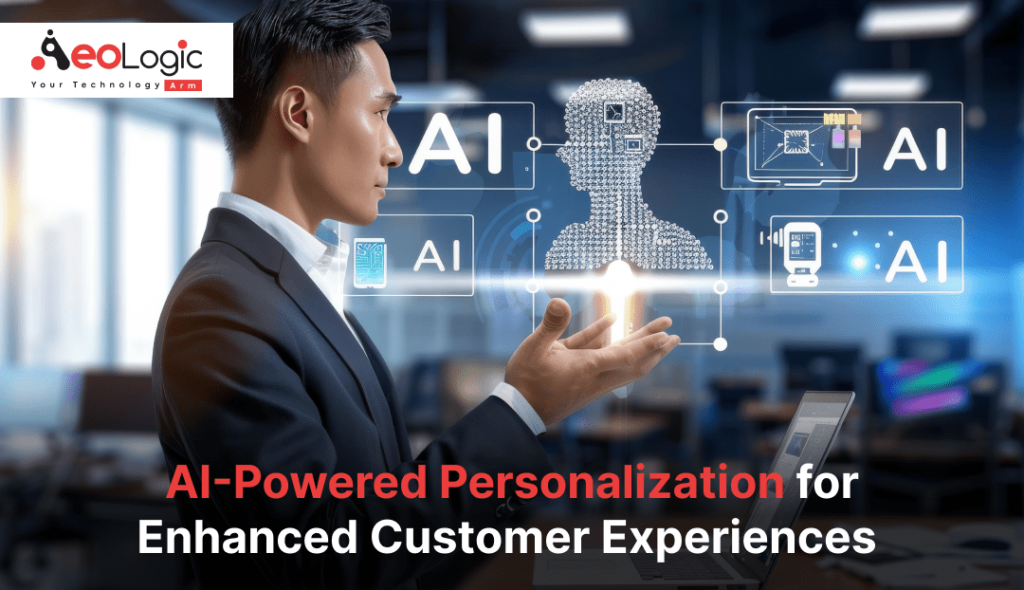
Personalization has become one of the most important digital marketing strategies in 2026. Customers want brands to understand their needs and provide relevant information instead of generic advertisements. AI helps businesses create personalized experiences by analyzing customer behavior and predicting what users may want next.
For example, online shopping platforms use AI recommendation systems to suggest products based on previous searches, purchases, and browsing activity. Streaming platforms recommend movies and shows based on user preferences. These AI-driven experiences improve customer satisfaction and increase engagement.
AI-powered personalization also helps businesses improve email marketing, website experiences, and advertising campaigns. Instead of sending the same message to thousands of customers, marketers can create targeted campaigns designed for specific customer groups.
Benefits of AI Personalization
- Improved Customer Engagement: Personalized content encourages customers to interact more with brands.
- Higher Conversion Rates: Relevant recommendations increase the chances of purchases.
- Stronger Customer Loyalty: Customers feel valued when brands understand their preferences.
- Better User Experience: AI helps create smoother and more meaningful customer journeys.
AI Content Marketing: Creating Smarter and Faster Content
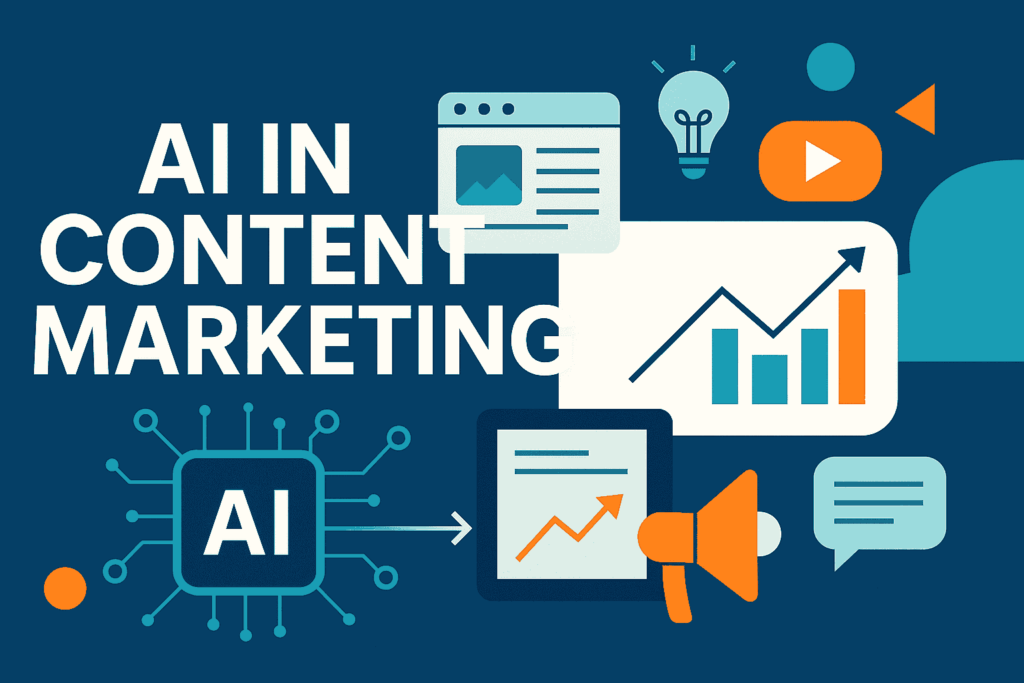
Content marketing continues to be a major part of digital marketing success, but AI is changing how businesses create and manage content. In 2026, AI content marketing tools help marketers generate ideas, research topics, optimize articles, and improve content performance.
AI does not replace human creativity; instead, it supports marketers by reducing time-consuming tasks. Businesses can use AI tools to analyze trending topics, identify customer questions, and develop content strategies that attract the right audience.
AI-powered writing assistants, image generation tools, and content optimization platforms allow businesses to produce high-quality marketing materials more efficiently. However, human expertise remains important for creating authentic brand messages and emotional connections.
How AI Improves Content Marketing
- Content Ideas: AI identifies popular topics and customer interests.
- SEO Optimization: AI helps improve keywords, structure, and search visibility.
- Content Analysis: AI measures performance and suggests improvements.
- Faster Production: Businesses can create content more efficiently.
AI and Search Engine Optimization (SEO) in 2026
Search engine optimization is experiencing major changes because of artificial intelligence. Search engines are becoming smarter at understanding user intent, meaning businesses must focus on creating valuable and helpful content rather than only targeting keywords.
AI tools help SEO professionals analyze competitors, discover keyword opportunities, monitor rankings, and improve website performance. Businesses can use AI-driven insights to understand what customers are searching for and create content that answers their questions.
In 2026, successful SEO strategies combine AI technology with human creativity. Companies that create useful, trustworthy, and user-focused content will have stronger opportunities to improve their online visibility.
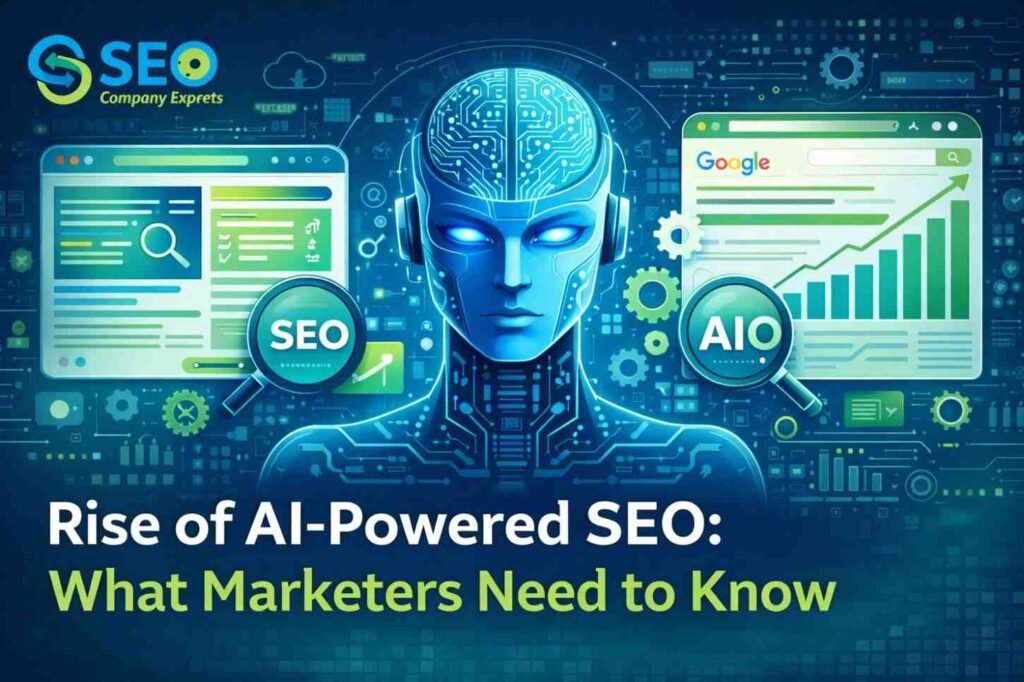
AI SEO Strategies Businesses Should Use
- Search Intent Analysis: Understand what users really want when searching online.
- Keyword Research: Find valuable keywords using AI-powered tools.
- Content Optimization: Improve readability, structure, and relevance.
- Performance Tracking: Monitor SEO results and make data-driven improvements.
AI Chatbots and Conversational Marketing
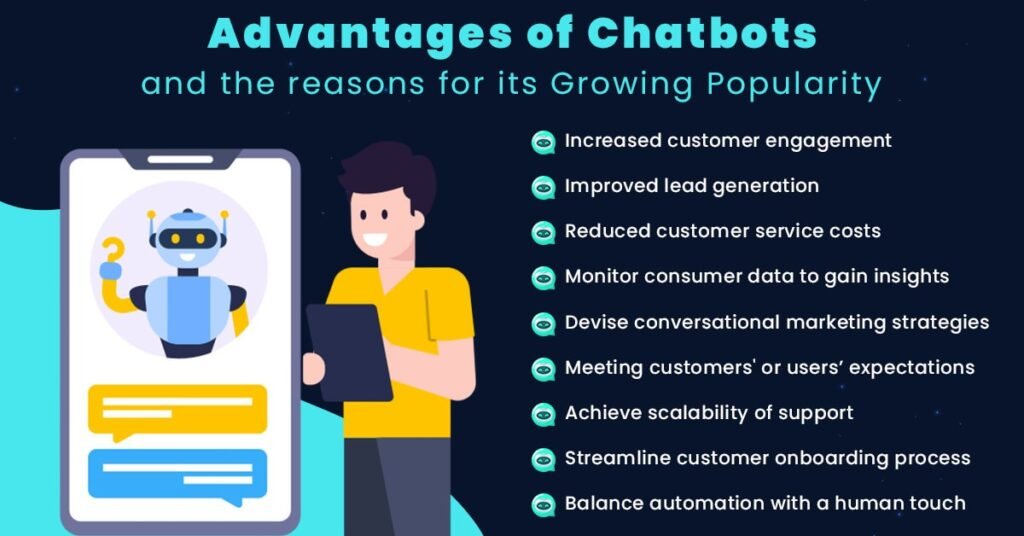
AI chatbots have become a major part of customer communication strategies. Businesses in 2026 use intelligent chatbots to provide instant support, answer questions, recommend products, and guide customers through buying decisions.
Modern AI chatbots are more advanced than traditional automated systems. They can understand natural language, remember previous conversations, and provide personalized responses. This allows businesses to offer 24/7 customer service without increasing operational costs.
Conversational marketing powered by AI improves customer satisfaction because users receive quick answers whenever they need assistance. It also helps businesses collect valuable customer insights.
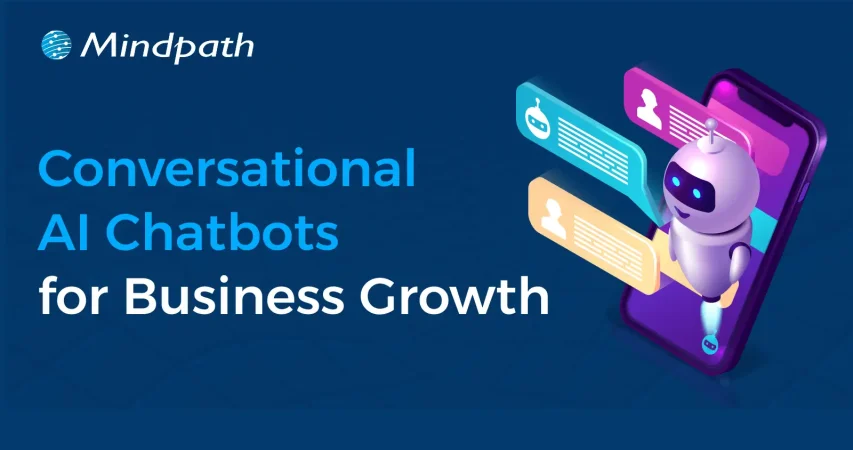
Advantages of AI Chatbots
- 24/7 Customer Support: Customers can receive assistance anytime.
- Faster Responses: AI reduces waiting times.
- Lead Generation: Chatbots can identify potential customers.
- Personalized Communication: AI creates more relevant conversations.
AI-Powered Advertising: Smarter Campaign Performance
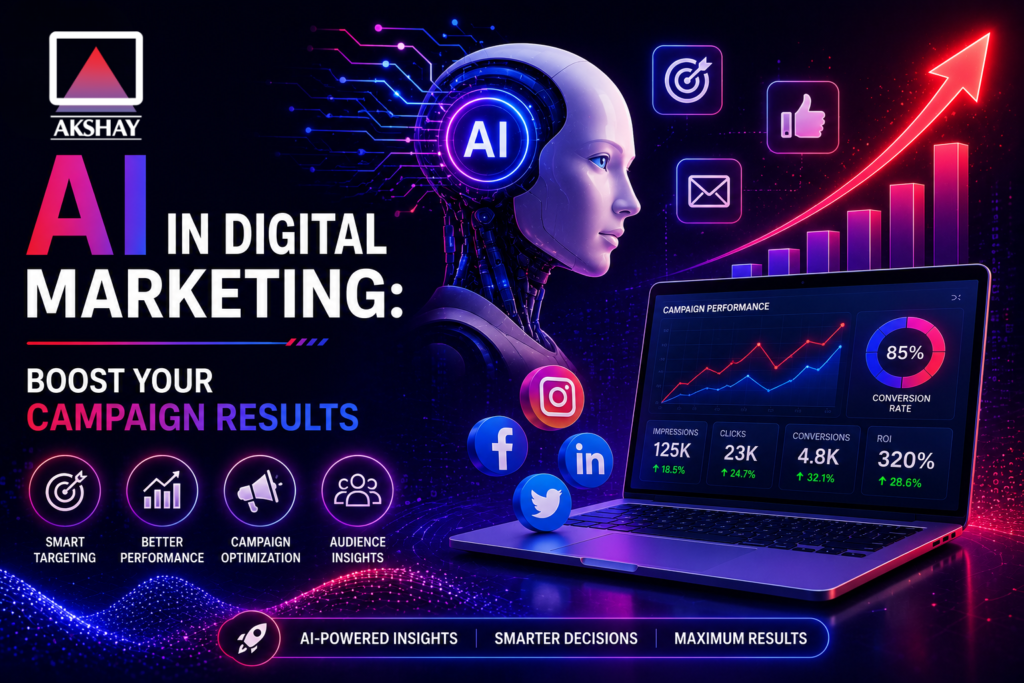
Digital advertising is becoming more intelligent through AI technology. Platforms now use machine learning algorithms to analyze user behavior, optimize ad placements, and improve campaign results.
AI helps advertisers identify the best audiences, predict customer actions, and adjust campaigns automatically. This allows businesses to spend their advertising budgets more effectively.
In 2026, businesses that use AI-powered advertising can achieve better results because campaigns become more data-driven and adaptable. AI reduces guesswork and helps marketers make faster decisions.
AI Advertising Strategies
- Audience Targeting: Identify customers most likely to engage.
- Automated Bidding: Optimize advertising costs automatically.
- Campaign Analysis: Understand which strategies deliver results.
- Predictive Marketing: Forecast future customer behavior.
Predictive Analytics: Using AI to Understand Future Trends
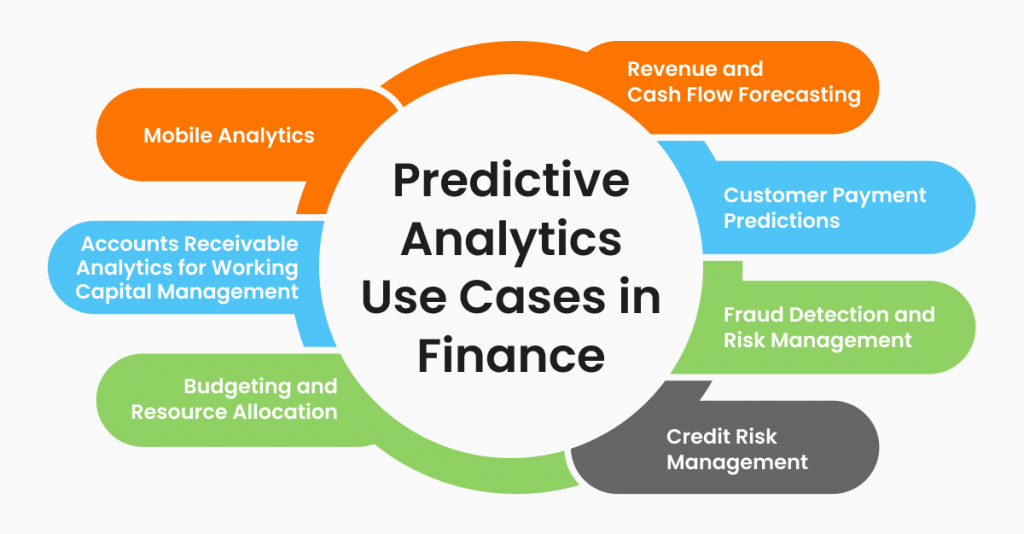
Predictive analytics is one of the most valuable applications of artificial intelligence in marketing. AI systems analyze historical data to predict future customer actions, market trends, and business opportunities.
Businesses can use predictive analytics to understand customer buying patterns, improve inventory planning, and create targeted marketing campaigns. This helps companies become proactive instead of reacting only after changes happen.
By understanding future customer needs, businesses can create better strategies and improve their competitive advantage.

Uses of Predictive Analytics in Marketing
- Customer Behavior Prediction: Understand future purchasing decisions.
- Sales Forecasting: Estimate future revenue opportunities.
- Risk Management: Identify possible customer losses.
- Campaign Improvement: Optimize marketing activities.
AI Automation: Increasing Marketing Efficiency
Marketing automation is becoming more powerful with AI integration. Businesses can automate email marketing, social media scheduling, customer segmentation, reporting, and campaign management.
Automation allows marketing teams to focus more on creativity and strategy instead of repetitive tasks. AI systems can manage workflows, analyze results, and recommend improvements automatically.
For small businesses, AI automation provides access to advanced marketing capabilities without requiring large teams or expensive resources.

Important AI Automation Application
- Automated Email Campaigns: Send personalized messages based on customer actions.
- Social Media Management: Schedule and analyze posts.
- Lead Management: Identify and organize potential customers.
- Marketing Reports: Generate performance insights automatically.

The Future of Digital Marketing with AI Beyond 2026
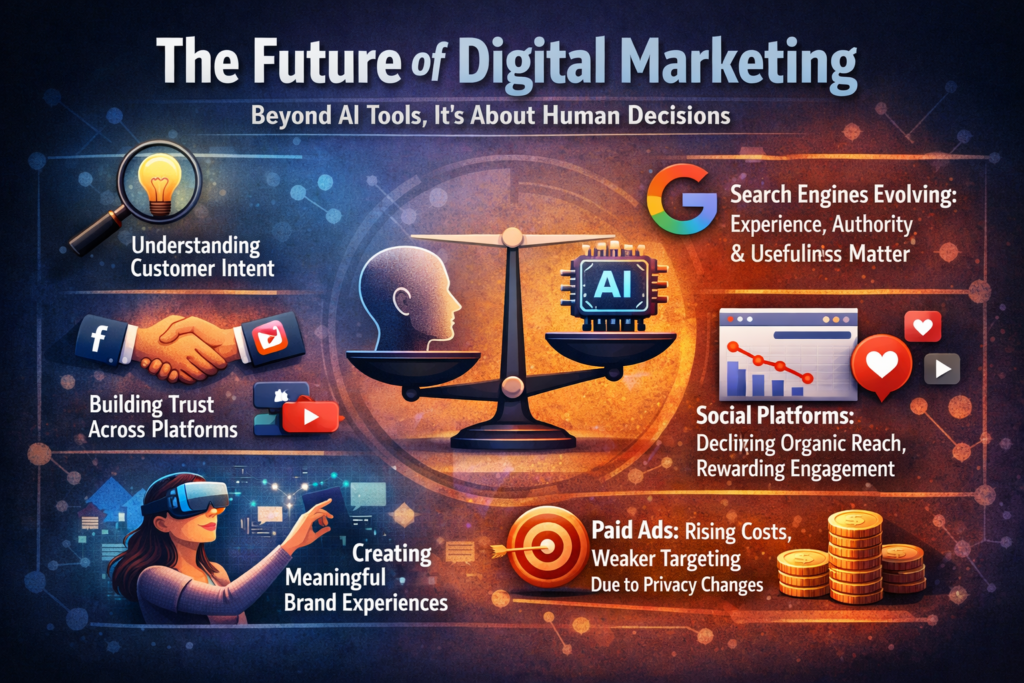
The future of digital marketing will continue to be influenced by artificial intelligence. As AI technology becomes more advanced, businesses will create even more personalized, efficient, and customer-focused marketing experiences.
Future AI developments may include improved virtual assistants, advanced customer prediction models, smarter content creation systems, and deeper integration between marketing platforms.
Businesses that embrace AI responsibly will have stronger opportunities to compete in the digital marketplace. However, successful AI marketing requires a balance between technology and human creativity.
Future AI Marketing Trends
- Advanced Personalization: More accurate customer experiences.
- Voice Search Optimization: Marketing strategies designed for voice-based searches.
- AI Virtual Assistants: Improved customer interactions.
- Real-Time Marketing Decisions: Instant optimization based on customer behavior.

Challenges Businesses Must Consider When Using AI Marketing
Although AI provides many benefits, businesses must also consider challenges such as data privacy, ethical concerns, and maintaining human creativity. Companies need responsible AI practices to protect customer information and build trust.
AI should be used as a tool to support marketers, not completely replace human decision-making. The strongest marketing strategies combine AI technology with human understanding, creativity, and emotional intelligence.
Important AI Marketing Considerations
- Data Privacy: Protect customer information.
- Human Oversight: Review AI-generated content and decisions.
- Ethical Usage: Use AI responsibly and transparently.
- Continuous Learning: Keep updating AI skills and strategies.
Conclusion
AI in digital marketing is transforming the way businesses attract, engage, and retain customers in 2026. From personalized recommendations and AI content creation to predictive analytics and automated campaigns, artificial intelligence is helping companies create smarter marketing strategies.
Businesses that adopt AI-powered solutions can improve efficiency, understand customers better, and achieve stronger results. However, success depends on using AI strategically while maintaining creativity, authenticity, and customer trust.
The future of digital marketing belongs to businesses that can combine advanced AI technology with human innovation. Companies that start implementing AI marketing strategies today will be better prepared to compete and grow in the rapidly changing digital world.
By understanding and applying the power of artificial intelligence, businesses can create meaningful customer experiences and build stronger brands in 2026 and beyond.
