
Table of Contents
Introduction
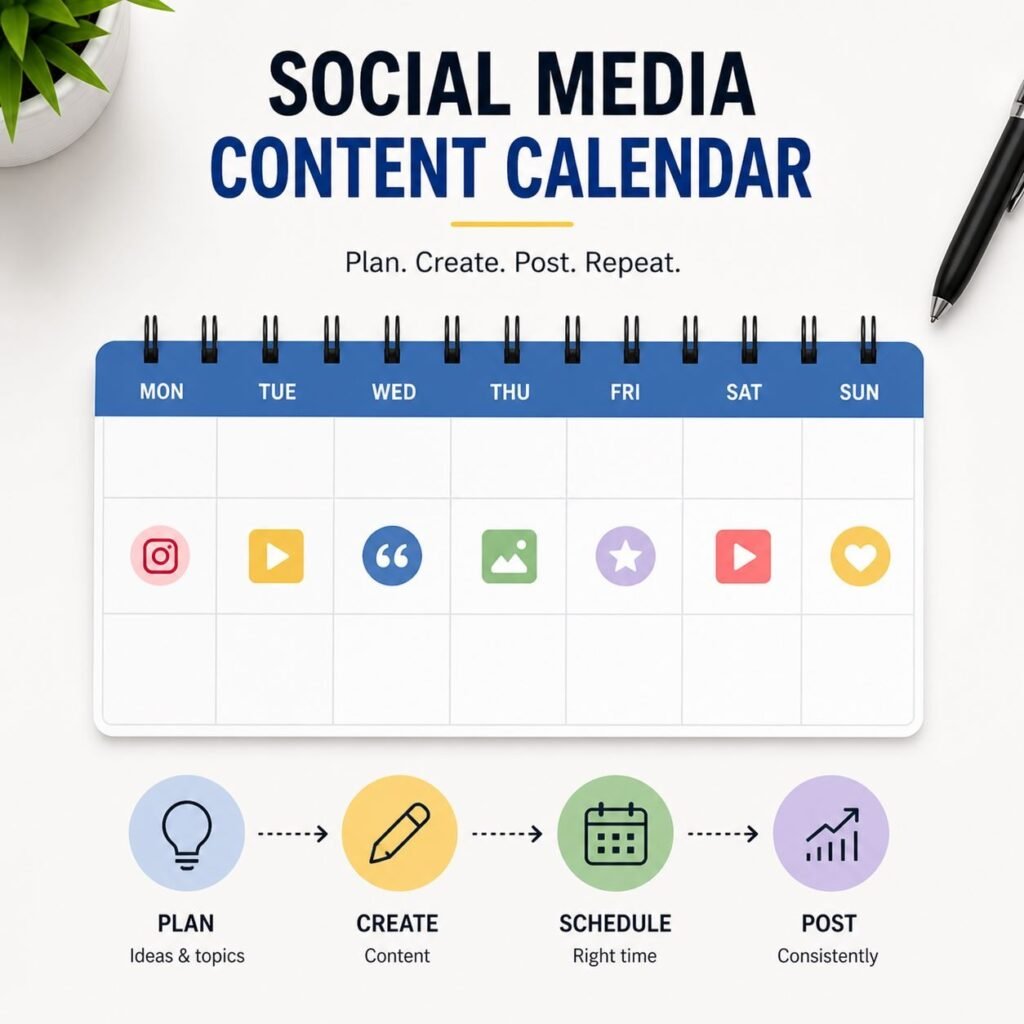
Creating consistent and valuable content is one of the biggest challenges brands face today. Without proper planning, businesses often struggle with missed deadlines, inconsistent posting, unclear messaging, and poor audience engagement. A well-organized content calendar helps brands maintain consistency, improve productivity, and achieve marketing goals.
When you Create a Content Calendar, you build a structured roadmap that defines what content you will publish, when you will publish it, and which audience you want to reach. It helps your team stay organized while ensuring every piece of content supports your overall brand strategy.
A successful content calendar is more than a simple schedule. It is a strategic tool that connects your brand goals with audience needs. Whether you manage social media posts, blogs, videos, newsletters, or campaigns, planning ahead can improve your results significantly.
This guide explains how to Create a Content Calendar step by step and develop a powerful content system that supports long-term brand growth.
What Is a Content Calendar and Why Does Your Brand Need One?
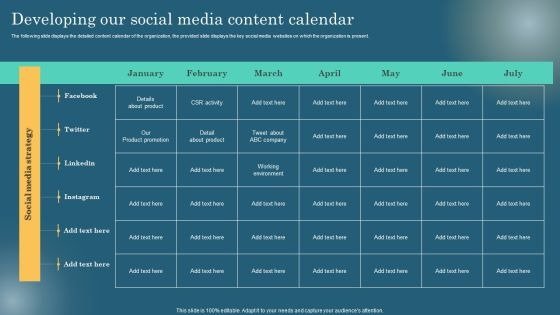
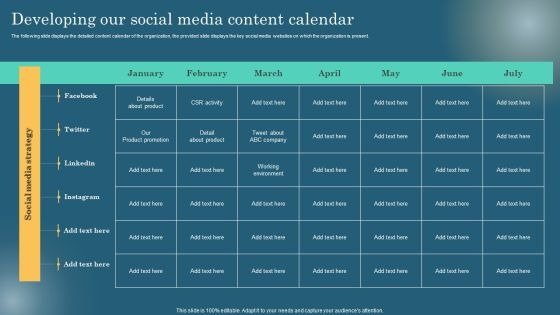
A content calendar is a planning document that organizes your upcoming content activities. It includes details such as content topics, publishing dates, platforms, target audiences, keywords, and marketing goals.
Brands use content calendars to avoid random posting and create a consistent communication strategy. Instead of creating content whenever inspiration appears, businesses can prepare content based on campaigns, seasonal trends, and customer interests.
A strong content calendar provides direction for your entire marketing team. Writers, designers, social media managers, and business owners can clearly understand their responsibilities and deadlines.
Benefits of Creating a Content Calendar
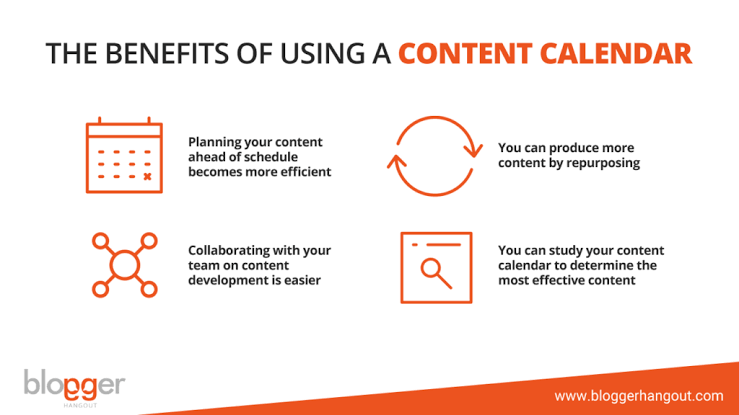
- Improves consistency: Helps your brand maintain regular publishing schedules.
- Saves time: Reduces last-minute content creation pressure.
- Supports strategy: Ensures every post connects with business goals.
- Improves teamwork: Keeps everyone aligned with upcoming tasks.
- Tracks performance: Makes it easier to measure content success.
Define Your Brand Goals Before Creating a Content Calendar
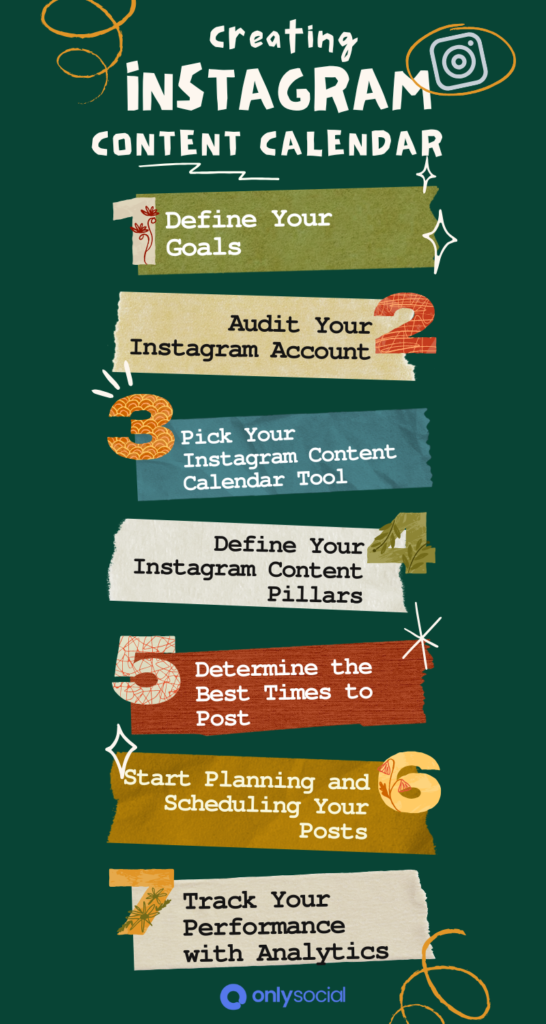
Before you Create a Content Calendar, you need to understand what your brand wants to achieve. Clear goals help you choose the right topics, platforms, and content formats.
Your goals may include increasing website traffic, generating leads, improving brand awareness, building customer relationships, or increasing sales. Each goal requires a different content approach.
For example, a brand focusing on awareness may create educational blogs and social media content. A brand focusing on sales may create product guides, testimonials, and promotional campaigns.
Steps to Set Content Goals
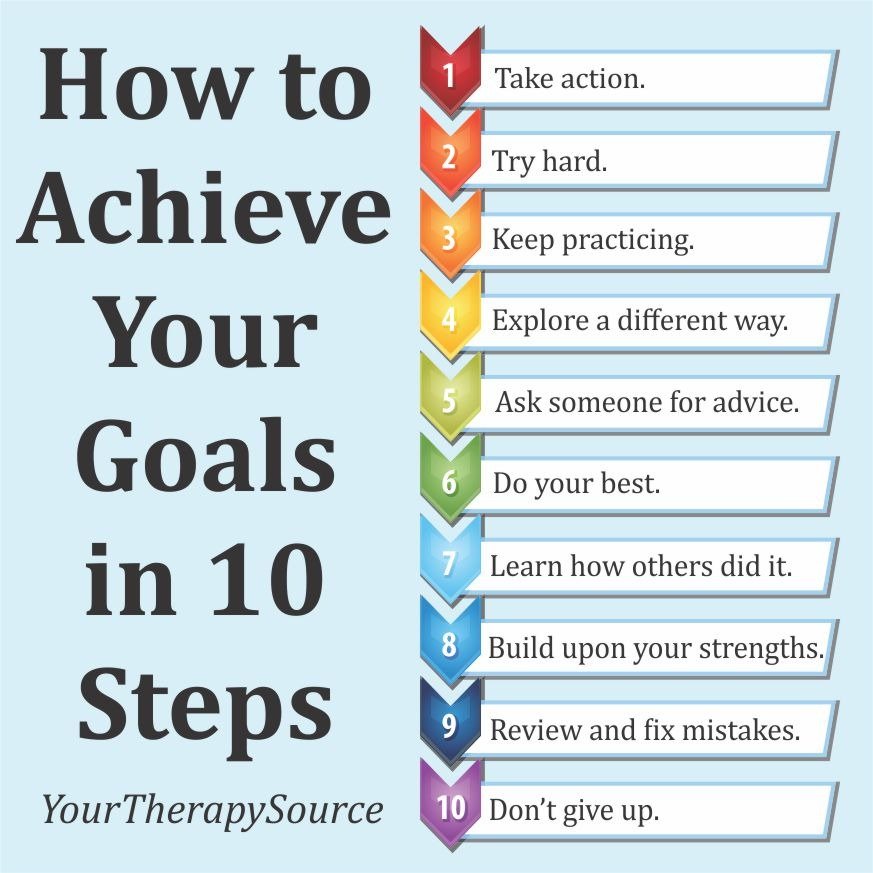
- Identify business objectives: Connect your content strategy with your company goals.
- Understand your audience: Learn customer needs, challenges, and interests.
- Choose measurable goals: Use specific targets to track progress.
Research Your Target Audience and Content Topics
Audience research is an important step when you Create a Content Calendar. Understanding your audience helps you create content that provides real value.
Study your customers’ questions, preferences, online behavior, and common problems. This information allows you to develop topics that attract attention and encourage engagement.
Keyword research is also important because it helps you discover what people are searching for online. By combining audience insights with SEO data, your content becomes more discoverable.

Ways to Find Content Ideas
- Analyze customer questions: Create content based on common customer problems.
- Research competitors: Identify successful topics and improve them.
- Use keyword tools: Discover popular search terms related to your industry.
- Follow industry trends: Create timely and relevant content.

Choose the Right Content Types for Your Brand
Different audiences prefer different types of content. When you Create a Content Calendar, selecting the right formats helps increase engagement.
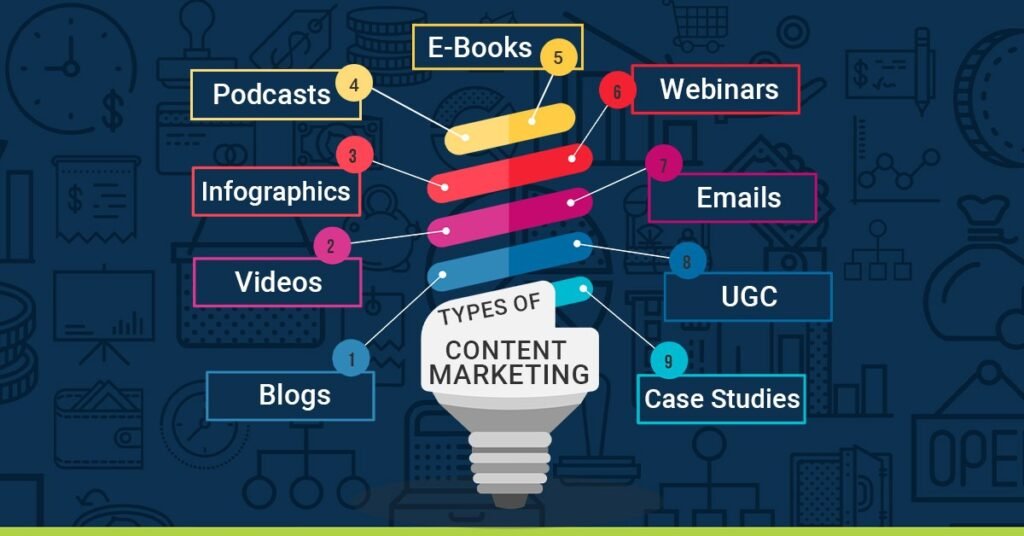
Some brands perform better with educational blog posts, while others gain more attention through videos, social media posts, podcasts, or email campaigns.
Your content type should match your audience behavior and marketing objectives.
Popular Content Formats
- Blog articles: Great for SEO, education, and organic traffic growth.
- Social media posts: Useful for engagement and community building.
- Videos: Effective for demonstrations and storytelling.
- Email newsletters: Helpful for customer retention.
- Infographics: Makes complex information easier to understand.
Select the Best Content Calendar Format
Choosing the right format makes your planning process easier. You can Create a Content Calendar using spreadsheets, project management platforms, or specialized marketing tools.
The best format depends on your team size, content volume, and workflow. Small businesses may prefer simple spreadsheets, while larger companies may need advanced collaboration tools.
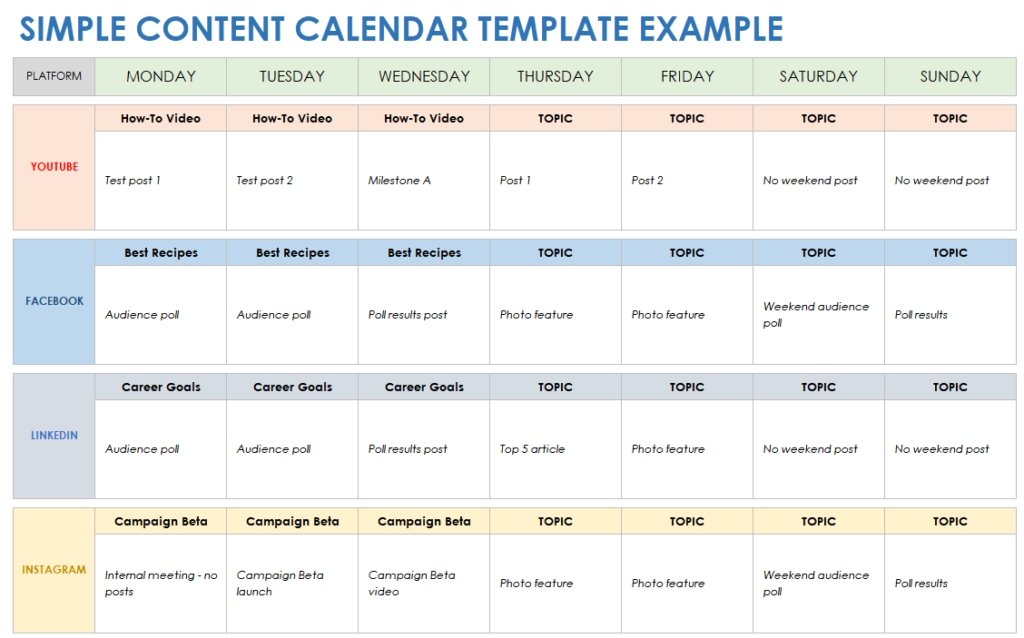
Content Calendar Formats You Can Use
- Monthly calendar: Helps organize short-term content activities.
- Annual calendar: Useful for planning campaigns and important events.
- Social media calendar: Focuses on platform-specific posts.
- Editorial calendar: Designed for blogs and long-form content.
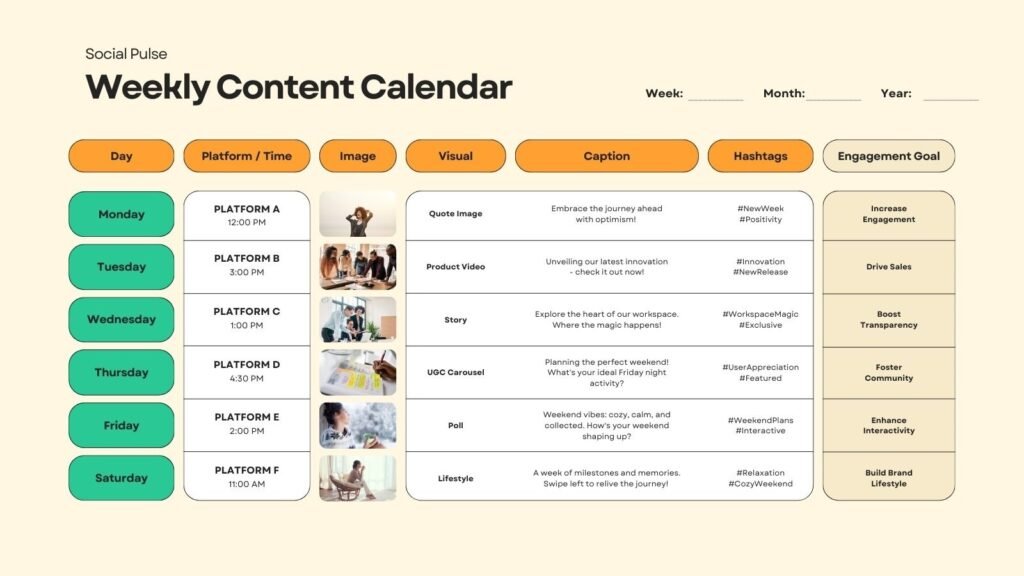
Plan Your Content Schedule Effectively
A successful content schedule requires balance and consistency. When you Create a Content Calendar, avoid publishing too much promotional content because audiences prefer useful and informative material.
A good strategy combines educational, entertaining, and promotional content. This approach keeps your audience interested while building trust with your brand.
Your schedule should also consider important dates, industry events, product launches, and seasonal opportunities.

Tips for Building a Strong Schedule
- Create content themes: Organize posts around specific monthly topics.
- Maintain consistency: Follow a predictable publishing routine.
- Plan ahead: Prepare content weeks or months in advance.
- Leave flexibility: Allow space for trending topics and updates.
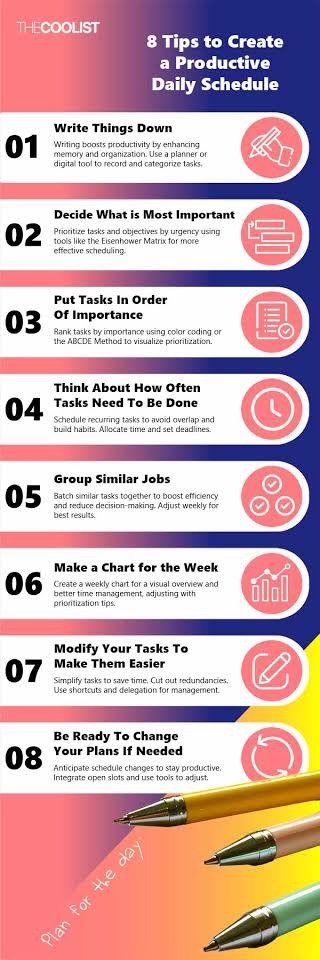
Use Tools to Manage Your Content Calendar
Technology makes it easier to Create a Content Calendar and manage your marketing workflow.
Content planning tools allow teams to schedule posts, assign tasks, monitor deadlines, and analyze performance. Choosing the right tool improves efficiency.
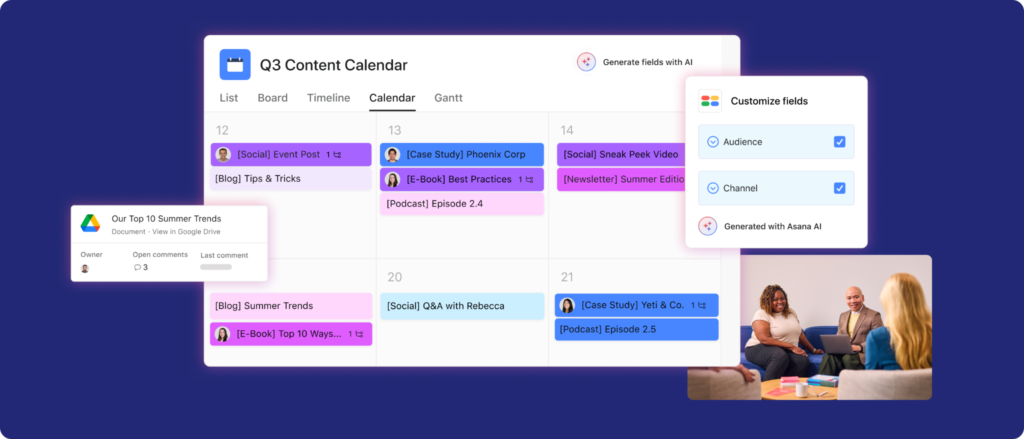
Helpful Content Planning Tools
- Spreadsheet tools: Simple options for beginners and small teams.
- Project management platforms: Useful for collaboration and task tracking.
- Social media scheduling tools: Help automate publishing.
- Analytics platforms: Measure content performance.
Measure and Improve Your Content Calendar Performance
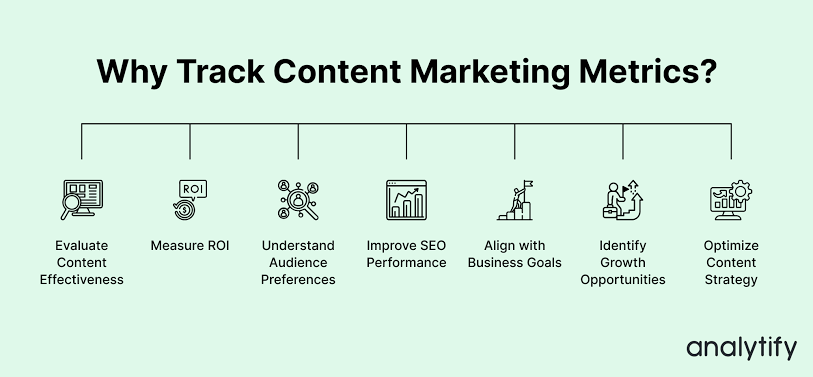
After you Create a Content Calendar, tracking results is essential. Performance analysis helps you understand what works and what needs improvement.
Monitor important metrics such as website visits, engagement rates, conversions, shares, and audience growth. These insights help you refine future content plans.
A content calendar should always evolve based on data. Successful brands regularly review their strategy and update their approach.
Important Content Metrics to Track
- Traffic performance: Measures how many visitors your content attracts.
- Engagement rate: Shows audience interaction with your content.
- Conversion rate: Tracks actions taken by customers.
- Content reach: Measures how many people see your content.
Common Mistakes to Avoid When Creating a Content Calendar
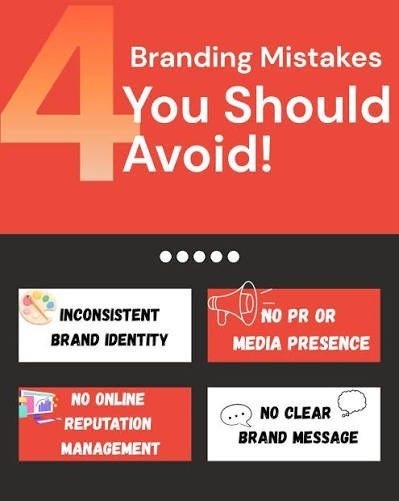
Many brands create content calendars but fail to achieve results because of poor planning. Understanding common mistakes helps you build a stronger strategy.
Avoid creating content without clear goals, ignoring your audience, or focusing only on promotional messages.

Mistakes Brands Should Avoid
- Posting without strategy: Every piece of content should have a purpose.
- Ignoring analytics: Data helps improve future decisions.
- Creating unrealistic schedules: Choose a publishing frequency you can maintain.
- Forgetting updates: Keep your calendar flexible and relevant.
Conclusion:
Learning how to Create a Content Calendar gives your brand a competitive advantage in digital marketing. A structured plan improves consistency, saves time, and helps your team produce valuable content.
A strong content calendar connects your business goals with audience expectations. By researching topics, choosing suitable formats, scheduling effectively, and measuring results, your brand can build a successful content marketing system.
The key to success is not simply publishing more content. It is creating meaningful content that provides value to your audience. Start planning today and Create a Content Calendar that helps your brand grow consistently.
