
Table of Contents
Introduction
Artificial intelligence is rapidly transforming the way people work, communicate, and conduct business. From automated customer support systems to advanced data analytics and self-driving technologies, AI is becoming an essential part of modern industries. As organizations continue investing in AI-powered solutions, one question dominates public discussions: what will happen to AI and Human Jobs in the coming years?
Many workers worry that machines will replace them entirely, while others believe AI will unlock exciting opportunities and create industries that do not yet exist. The truth lies somewhere between these two perspectives. Understanding the relationship between AI and Human Jobs is crucial for employees, employers, students, and policymakers who want to prepare for the future workforce.
The rise of artificial intelligence is not the first technological revolution to affect employment. Throughout history, innovations such as electricity, computers, and the internet have changed the nature of work. While some jobs disappeared, new professions emerged, creating opportunities for economic growth and career advancement. Today, the debate around AI and Human Jobs follows a similar pattern.
This article explores whether artificial intelligence will replace workers, create new opportunities, or reshape employment entirely. We will examine current trends, industry impacts, emerging careers, and the skills needed to succeed in an AI-driven world.

How AI and Human Jobs Are Changing Across Industries
Artificial intelligence is already influencing industries worldwide. Businesses use AI to improve efficiency, reduce costs, and enhance decision-making processes. This transformation has significant implications for AI and Human Jobs across multiple sectors.
In manufacturing, robots can perform repetitive tasks faster and more accurately than humans. In healthcare, AI assists doctors by analyzing medical images and identifying diseases. In finance, algorithms process vast amounts of data to detect fraud and predict market trends. These developments demonstrate how technology can improve productivity while changing traditional job responsibilities.
At the same time, AI is creating demand for professionals who can design, manage, and maintain intelligent systems. As organizations integrate advanced technologies into daily operations, the relationship between AI and Human Jobs becomes increasingly collaborative rather than competitive.
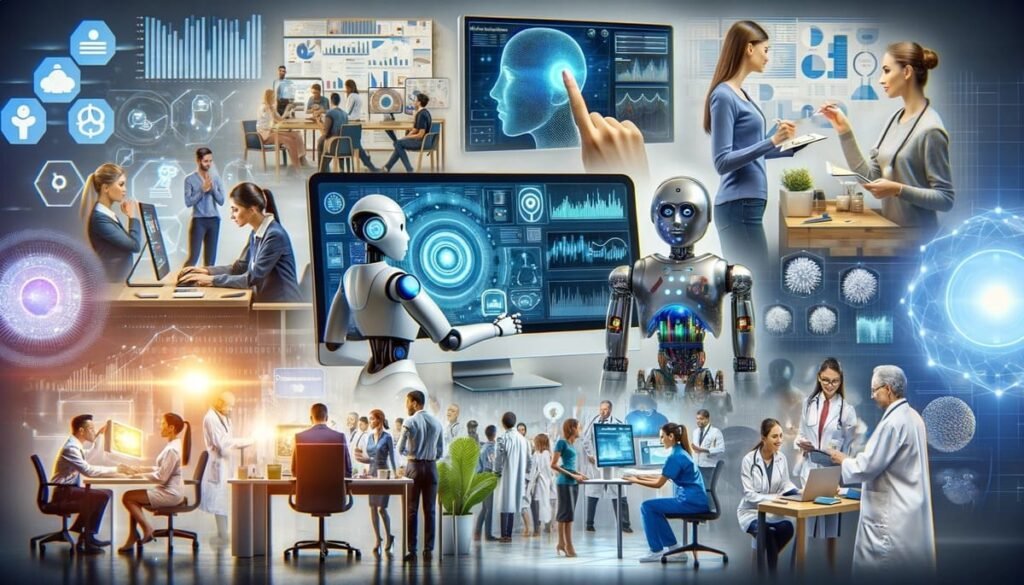
Industries Experiencing Major AI Transformation
- Manufacturing and production automation
- Healthcare diagnostics and patient care
- Banking and financial services
- Retail and e-commerce
- Transportation and logistics
- Education and online learning
- Marketing and customer service
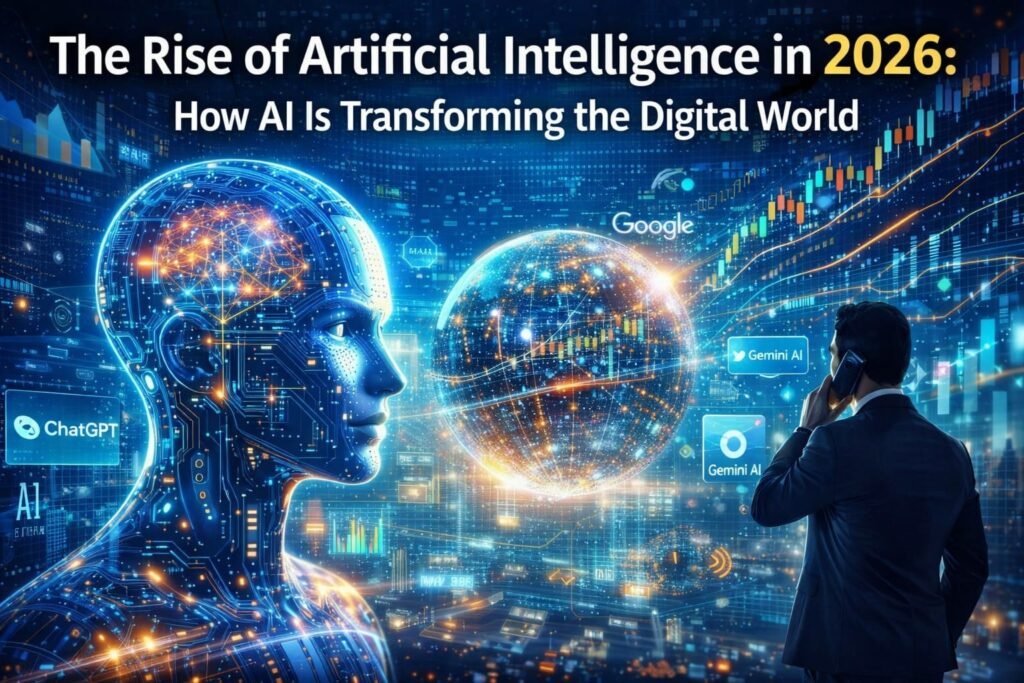
Will AI Replace Human Jobs Completely?
One of the biggest concerns surrounding artificial intelligence is the possibility of widespread job displacement. Some routine and repetitive tasks are indeed vulnerable to automation. Jobs involving predictable activities can often be performed more efficiently by machines.
Examples include data entry, inventory management, basic bookkeeping, and certain administrative functions. Businesses may adopt AI tools to handle these tasks because they offer speed, accuracy, and cost savings.
However, history shows that technological advancement rarely eliminates work entirely. Instead, it changes the type of work people perform. The discussion about AI and Human Jobs should focus not only on replacement but also on transformation. Workers often shift into roles requiring creativity, critical thinking, emotional intelligence, and complex decision-making.
Many experts predict that AI will automate tasks rather than entire professions. Most jobs consist of multiple responsibilities, some of which can be automated while others still require human involvement.
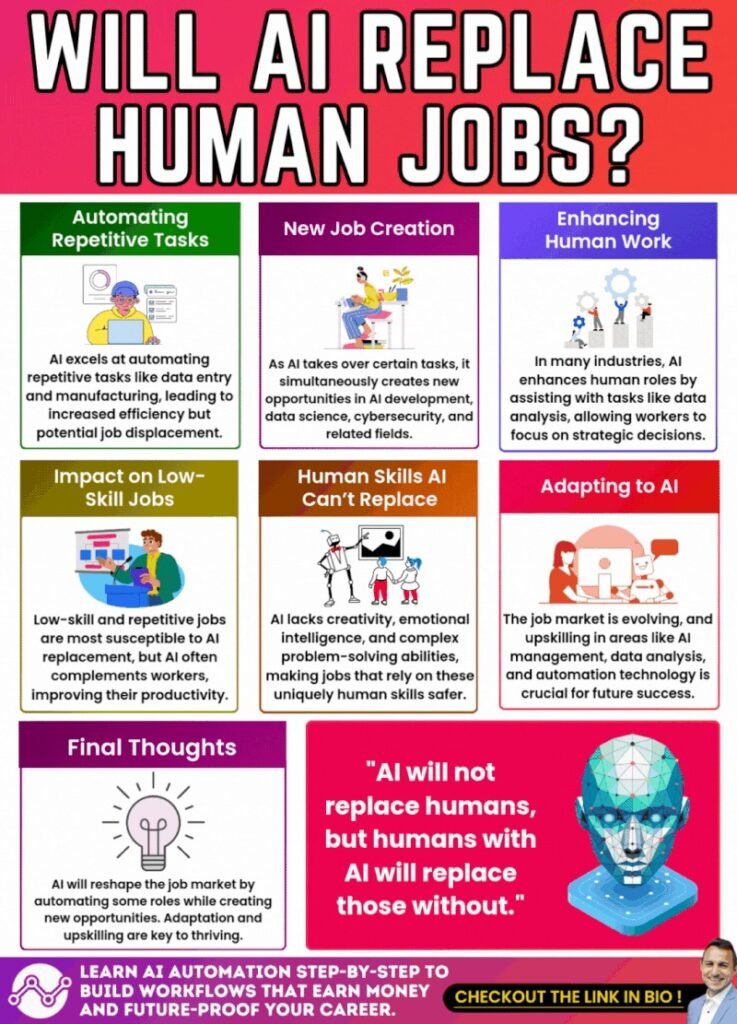
Jobs Most Vulnerable to Automation
- Data entry clerks
- Telemarketing representatives
- Basic bookkeeping roles
- Routine administrative assistants
- Assembly line workers
- Simple customer support positions
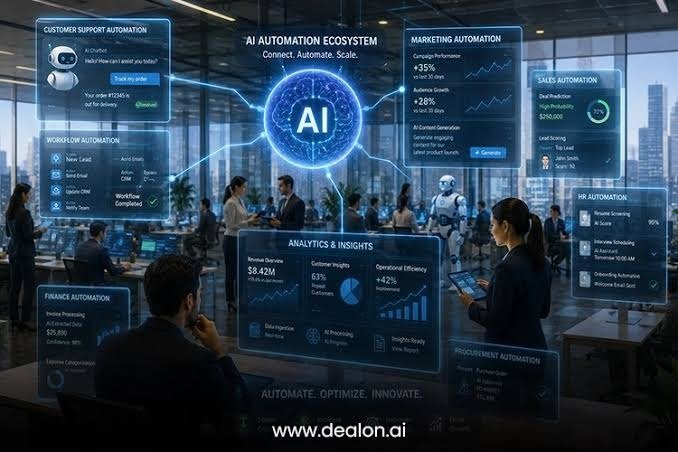
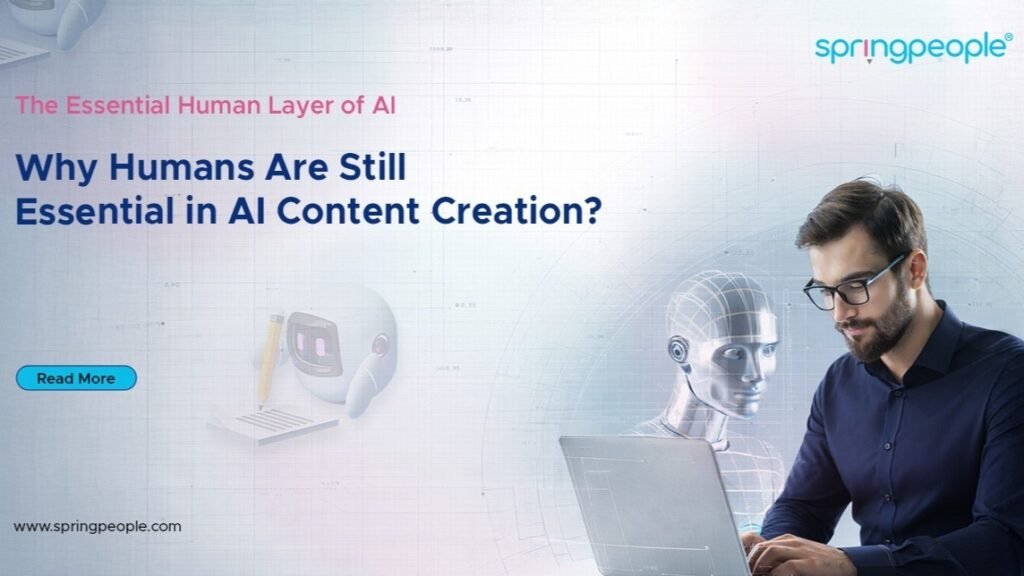
Why Humans Remain Essential
- Emotional intelligence
- Creative problem-solving
- Leadership and management
- Ethical decision-making
- Relationship building
- Strategic planning
How AI and Human Jobs Can Work Together
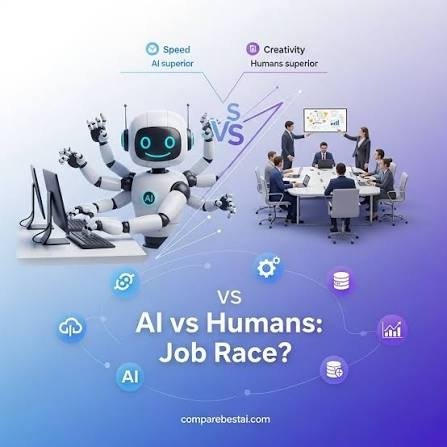
Rather than viewing AI as a replacement for workers, many organizations see it as a tool that enhances human capabilities. Collaboration between humans and machines can increase productivity while improving job satisfaction.
AI excels at processing large amounts of information quickly. Humans excel at interpreting context, understanding emotions, and making nuanced decisions. When combined, these strengths create powerful outcomes.
For example, healthcare professionals use AI systems to analyze medical scans. The technology identifies potential issues, while doctors make final diagnoses and treatment decisions. This partnership illustrates how AI and Human Jobs can complement one another effectively.
Businesses increasingly recognize that successful digital transformation depends on integrating technology with human expertise rather than replacing employees altogether.
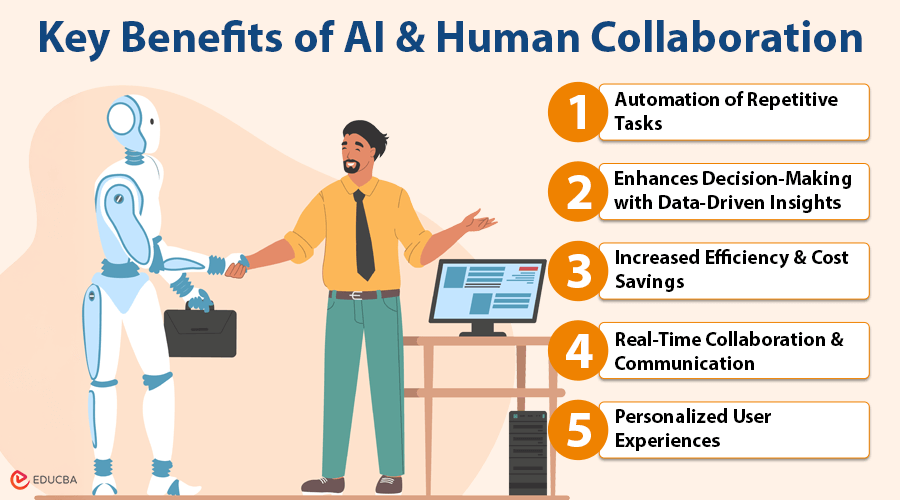
Benefits of Human-AI Collaboration
- Increased workplace efficiency
- Faster decision-making
- Reduced repetitive workloads
- Improved customer experiences
- Enhanced innovation
- Better data analysis
New Careers Emerging Because of Artificial Intelligence
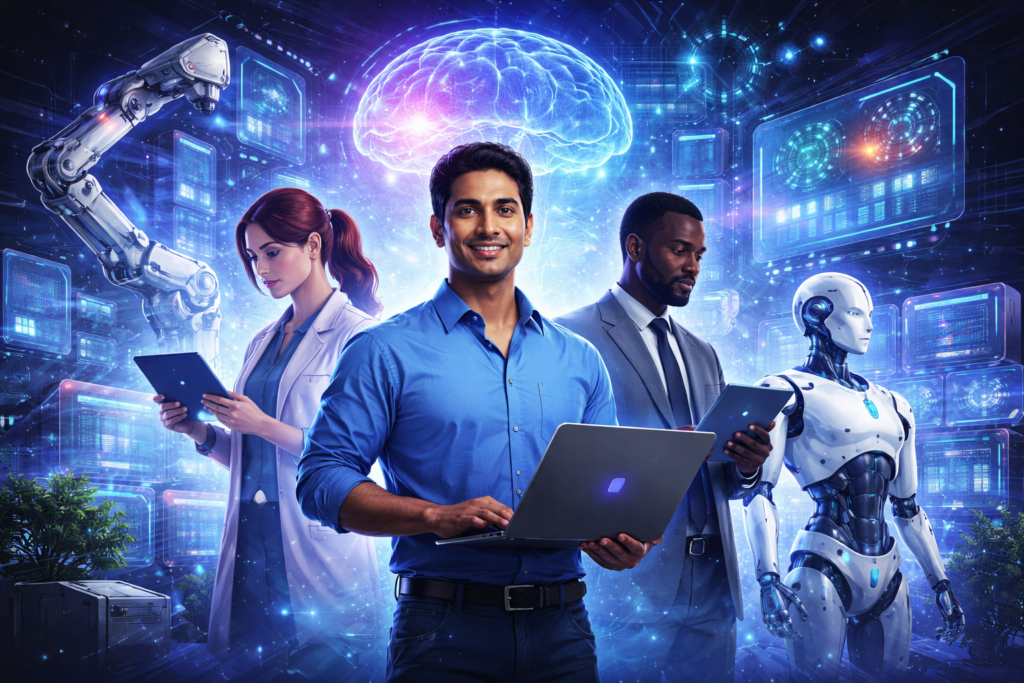
While AI may automate certain roles, it is also creating entirely new career paths. As organizations adopt intelligent technologies, demand for specialized talent continues to grow.
The evolution of AI and Human Jobs has led to opportunities in machine learning, cybersecurity, data science, AI ethics, robotics engineering, and digital transformation consulting. These professions often offer competitive salaries and long-term career prospects.
Many jobs that exist today did not exist a decade ago. Similarly, future careers may emerge as artificial intelligence becomes more advanced and integrated into society.
Organizations need professionals who can develop AI systems, monitor performance, ensure ethical usage, and maintain technological infrastructure.
High-Demand AI-Related Careers
- AI Engineer
- Machine Learning Specialist
- Data Scientist
- Robotics Engineer
- AI Ethics Consultant
- Cybersecurity Analyst
- Business Intelligence Analyst
- Automation Specialist
- AI Product Manager
- Digital Transformation Consultant
Skills Needed to Thrive in the Age of AI
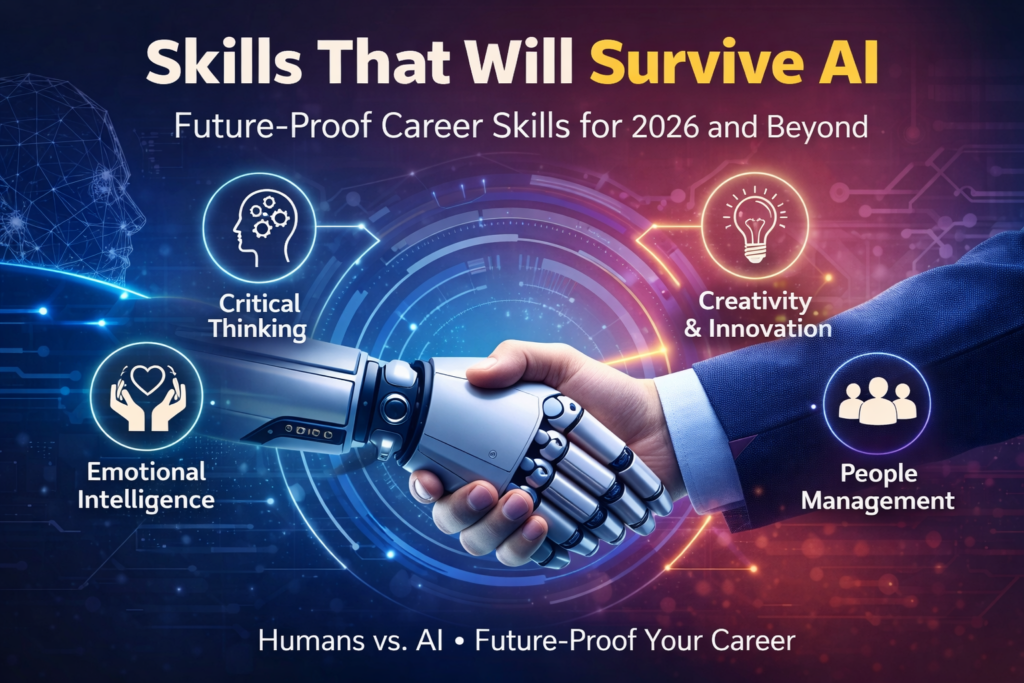
As technology evolves, workers must adapt to changing job requirements. Developing future-ready skills will be essential for long-term career success.
The future of AI and Human Jobs depends heavily on continuous learning. Technical expertise is valuable, but soft skills remain equally important. Employers increasingly seek individuals who can combine technological knowledge with creativity and communication abilities.
Educational institutions and businesses are investing in training programs to help workers adapt to emerging technologies. Lifelong learning will become a key component of professional development.
Technical Skills to Develop
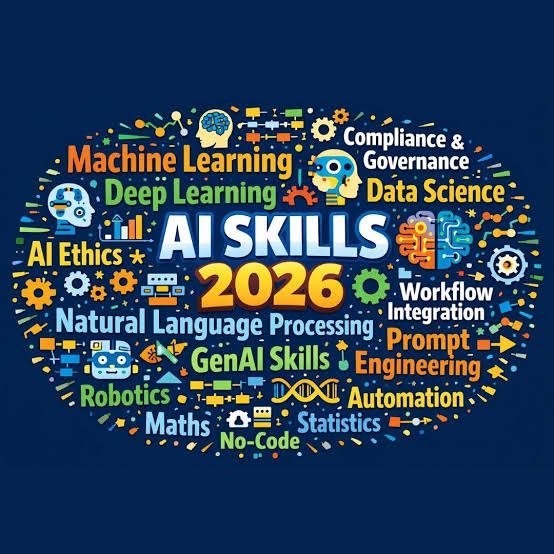
- Data analysis
- Programming fundamentals
- AI literacy
- Cloud computing
- Cybersecurity awareness
- Digital tools proficiency
Human Skills That AI Cannot Easily Replace
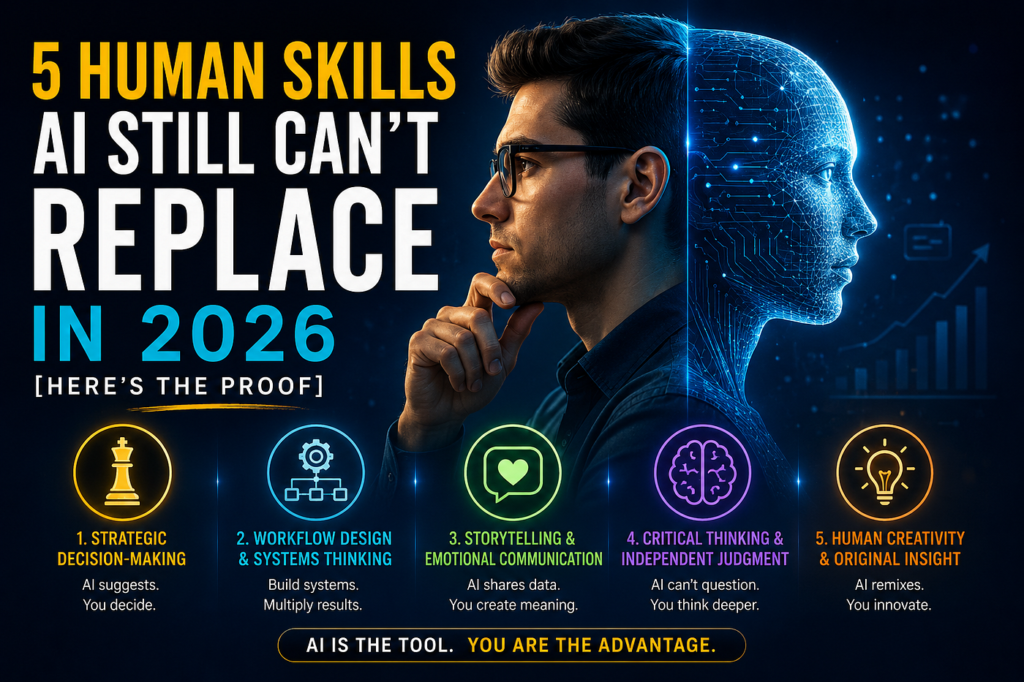
- Creativity
- Critical thinking
- Emotional intelligence
- Leadership
- Communication
- Adaptability
- Team collaboration
Economic Impact of AI on Employment
The economic effects of artificial intelligence are complex and multifaceted. While some industries may experience workforce reductions, others could see substantial job growth.
Research suggests that productivity gains from AI can contribute to economic expansion. Increased efficiency may lower costs, improve products, and generate demand for new services. As businesses grow, additional employment opportunities often follow.
The future relationship between AI and Human Jobs will vary across regions, industries, and skill levels. Governments and businesses must work together to support workforce transitions and ensure inclusive economic growth.
Investments in education, retraining programs, and digital infrastructure will play a critical role in helping workers adapt to changing labor market conditions.
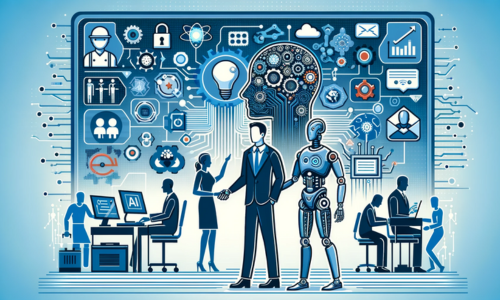
Potential Economic Benefits
- Higher productivity
- Increased innovation
- New business creation
- Improved global competitiveness
- Enhanced customer experiences
- Economic growth opportunities

Challenges Associated With AI Adoption
Despite its benefits, artificial intelligence presents several challenges. Organizations must address concerns related to ethics, privacy, bias, and workforce displacement.
Workers may face uncertainty during technological transitions. Companies implementing AI solutions should prioritize employee training and transparent communication. Responsible adoption can help minimize disruption while maximizing benefits.
The conversation about AI and Human Jobs should include discussions about fairness, accountability, and social responsibility. Policymakers, educators, and business leaders all have important roles in shaping the future workforce.
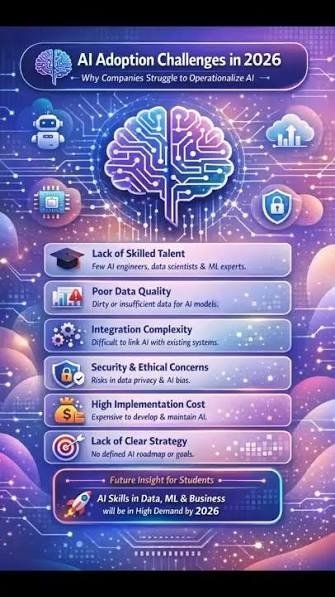
Key Challenges
- Job displacement concerns
- Skills gaps
- Ethical AI use
- Data privacy issues
- Algorithmic bias
- Regulatory compliance
What the Future Holds for AI and Human Jobs
Looking ahead, artificial intelligence will likely continue transforming industries and redefining work. Rather than eliminating employment entirely, AI is expected to reshape job responsibilities and create new opportunities.
Organizations that embrace innovation while investing in workforce development will be better positioned for success. Workers who remain adaptable and committed to continuous learning can thrive in an AI-driven economy.
The future ofAI and Human Jobs is not a simple story of replacement. It is a story of evolution, collaboration, and opportunity. Technology will handle many repetitive tasks, allowing humans to focus on higher-value activities that require creativity, empathy, and strategic thinking.
As AI becomes more sophisticated, the workforce will continue evolving. The most successful professionals will be those who learn how to work alongside intelligent technologies rather than compete against them.
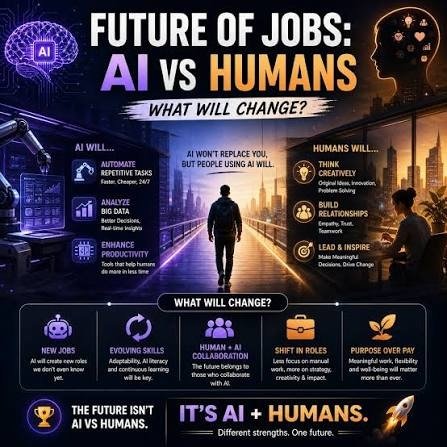
Key Predictions for the Future of AI and Human Jobs
- Increased Human-AI Collaboration
AI will handle repetitive tasks while humans focus on creativity, strategy, and decision-making. - Growth of New Job Opportunities
Emerging technologies will create careers that require AI management, development, and oversight. - Higher Demand for Digital Skills
Workers with knowledge of AI, data analysis, and technology tools will have a competitive advantage. - Continuous Learning Will Become Essential
Professionals will need to update their skills regularly to keep pace with technological advancements. - Automation of Routine Tasks
Repetitive and predictable activities will increasingly be performed by AI-powered systems. - Greater Importance of Human Skills
Emotional intelligence, leadership, communication, and critical thinking will remain highly valuable. - Transformation of Traditional Industries
Sectors such as healthcare, finance, education, and manufacturing will continue evolving through AI adoption. - More Flexible Work Environments
AI-powered tools will support remote work, hybrid workplaces, and improved productivity. - Focus on Ethical AI Implementation
Organizations will prioritize transparency, fairness, and responsible use of artificial intelligence. - A Balanced Future for AI and Human Jobs
Rather than replacing workers entirely, AI is expected to reshape roles and create new opportunities for growth.
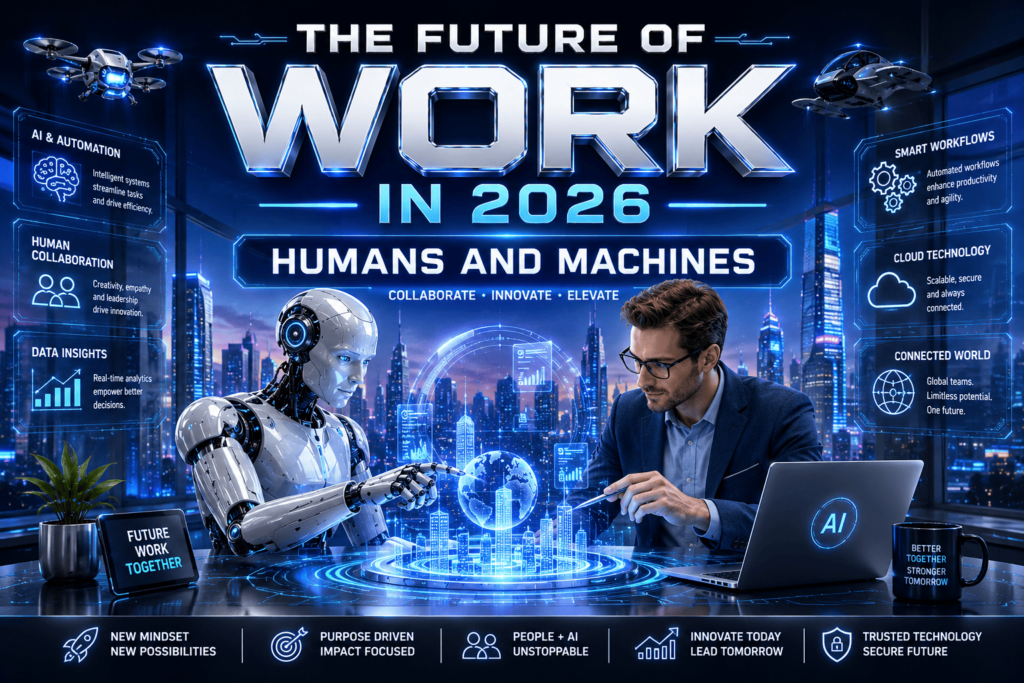
Preparing for a Successful Future in an AI-Driven Workforce
The rapid advancement of artificial intelligence is reshaping the global workforce, making adaptability more important than ever. As businesses continue integrating AI technologies into their operations, employees must develop new skills and embrace continuous learning to remain competitive. The future of AI and Human Jobs will not be determined solely by technological innovation but also by how effectively individuals and organizations adapt to these changes.
To succeed in an AI-driven economy, workers should focus on building both technical and human-centered skills. Read more about this in Future of Work in the Age of AI(https://yourwebsite.com/future-of-work-in-the-age-of-ai/While AI can automate repetitive tasks and analyze large amounts of data, it cannot fully replicate creativity, emotional intelligence, leadership, and critical thinking. These uniquely human abilities will remain valuable across industries. By combining technological knowledge with strong interpersonal skills, professionals can position themselves for long-term career growth and take advantage of the new opportunities created by the evolving relationship between AI and Human Jobs.
Key Strategies for Future Career Success
- Invest in Lifelong Learning: Continuously update your knowledge through courses, certifications, and industry training.
- Develop Digital Skills: Learn the basics of AI, data analysis, and emerging technologies.
- Strengthen Soft Skills: Improve communication, leadership, problem-solving, and teamwork abilities.
- Stay Adaptable: Be open to changing roles and evolving workplace requirements.
- Embrace Human-AI Collaboration: Learn how to use AI tools to enhance productivity rather than viewing them as competition.
- Build a Growth Mindset: Focus on innovation, learning, and professional development to remain relevant in the future job market.
This proactive approach will help individuals navigate the changing landscape of AI and Human Jobs while maximizing career opportunities in the age of artificial intelligence.
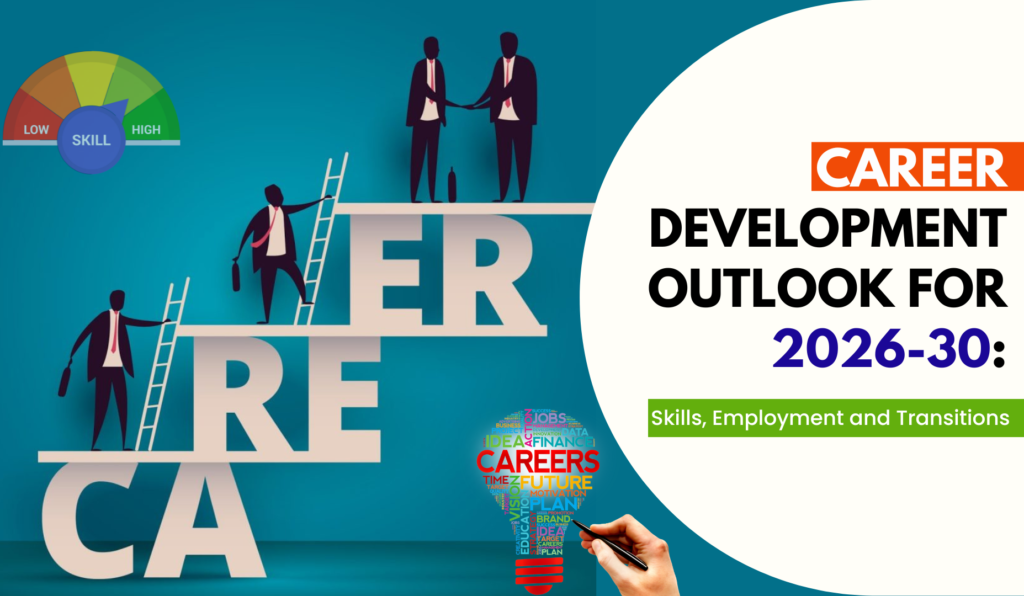
Conclusion
The debate surrounding AI and Human Jobs often focuses on whether machines will replace workers. However, the evidence suggests a more balanced outcome. Artificial intelligence will automate certain tasks and transform some occupations, but it will also create new industries, generate innovative career paths, and enhance human productivity.
Throughout history, technological revolutions have changed the nature of work while opening doors to new opportunities. Artificial intelligence appears likely to follow the same pattern. The key to success lies in adaptation, education, and skill developmentAI and Human Jobs: Future of Work and CollaborationBusinesses, governments, and individuals must work together to prepare for the future workforce. By embracing innovation and investing in lifelong learning, society can ensure that the evolution of AI and Human Jobs leads to greater prosperity, creativity, and opportunity for generations to come.
