
Table of Contents
Introduction
In today’s competitive digital world, businesses need more than traditional advertising to reach their audience. Customers are constantly searching for helpful information, solutions to their problems, and trustworthy brands they can rely on. This is where Content Marketing becomes a powerful tool for business growth.
Content Marketing focuses on creating and sharing valuable, relevant, and consistent content that attracts a specific audience. Instead of directly promoting products or services, businesses provide useful information that educates, entertains, or solves customer problems. This approach builds trust and strengthens relationships over time.
Whether you run a small business, an online store, or a large company, Content Marketing can help increase visibility, generate leads, improve customer engagement, and boost customer loyalty. Companies that invest in Content Marketing often experience stronger brand recognition and better long-term results than those relying solely on paid advertising.
In this article, we will explore the power of Content Marketing, how it attracts new customers, and why it plays a critical role in retaining existing customers for sustainable business success.

What Is Content Marketing?
Content Marketing is a strategic marketing approach focused on creating valuable and relevant content to attract and engage a target audience. Rather than pushing sales messages, businesses provide information that helps customers make informed decisions.
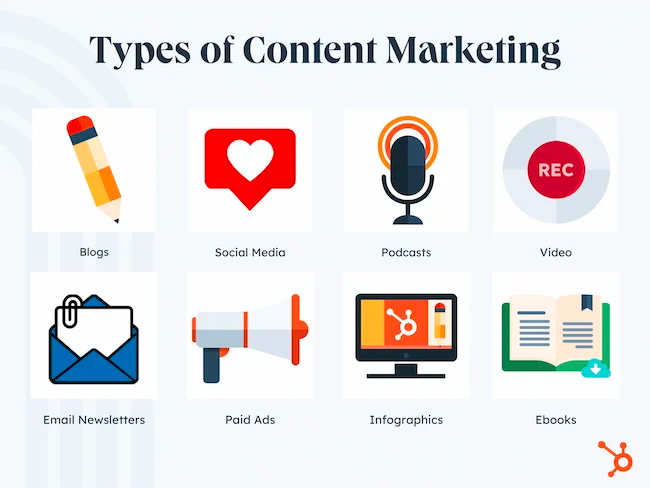
Effective Content Marketing includes blog posts, videos, social media content, email newsletters, podcasts, case studies, and infographics. The goal is to build trust while guiding potential customers through the buying journey.

Key Characteristics of Content Marketing
- Customer-focused approach
Content is created to address audience needs, interests, and challenges. - Long-term strategy
Results grow steadily as content continues attracting visitors over time. - Value-driven communication
Helpful content builds credibility and strengthens customer relationships. - Consistent publishing
Regular updates improve visibility and audience engagement.
Why Content Marketing Matters in Today’s Digital World
Consumers have access to unlimited information online. Before making a purchase, most people research products, compare options, and read reviews. Content Marketing helps businesses become visible during this decision-making process.
When customers consistently find useful information from a brand, they begin to view that business as a trusted authority. This trust increases the likelihood of future purchases and long-term loyalty.
Businesses that prioritize Content Marketing also benefit from improved search engine rankings, increased website traffic, and stronger brand awareness.
Benefits of Content Marketing
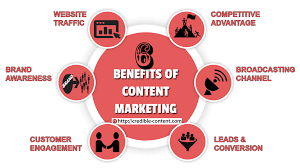
- Increases online visibility
High-quality content improves search engine rankings. - Builds trust and authority
Helpful information positions your business as an industry expert. - Generates qualified leads
Interested visitors are more likely to become customers. - Supports customer retention
Ongoing communication keeps customers engaged.
How Content Marketing Attracts New Customers
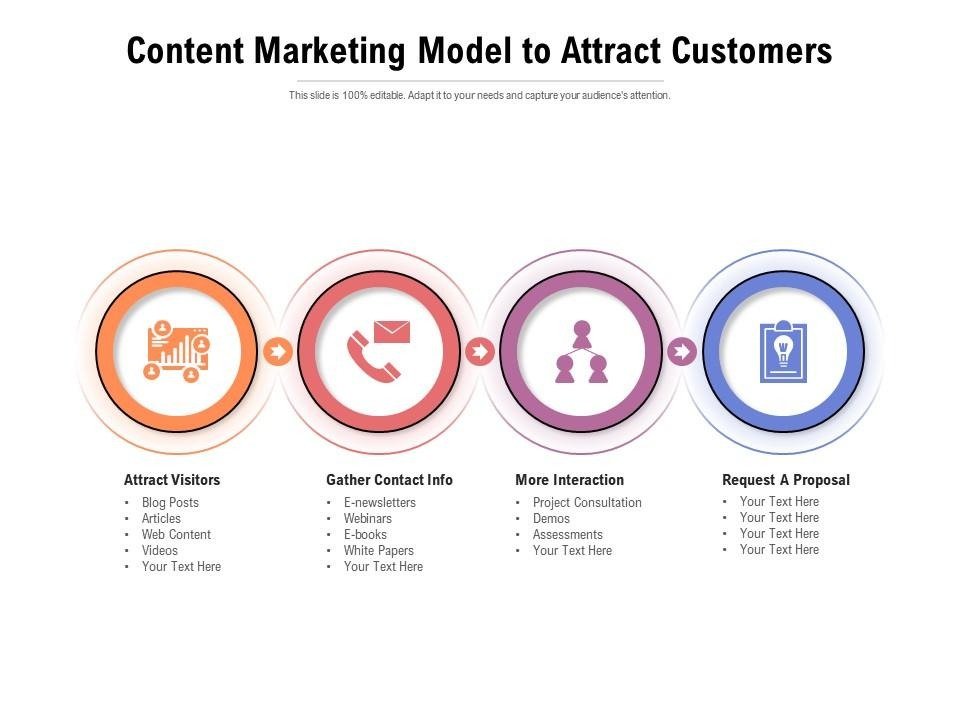
One of the biggest advantages of Content Marketing is its ability to attract potential customers naturally. Instead of interrupting people with advertisements, businesses provide solutions that users actively search for online.
When customers find answers through your blog posts, videos, or guides, they are more likely to trust your brand and explore your products or services.
Improves Search Engine Visibility
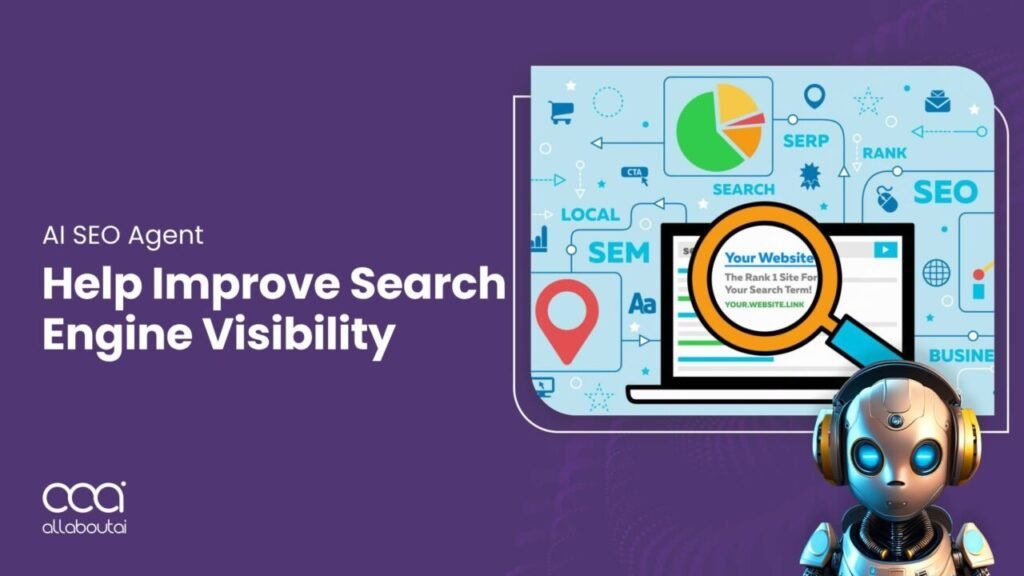
Improves Search Engine Visibility: Enhances your website’s ranking on search engines, making it easier for potential customers to find your business online.
Boosts Organic Traffic: Drives more visitors to your website through higher search rankings without relying heavily on paid advertising.
Increases Brand Exposure: Helps your brand appear in relevant search results, improving visibility and recognition among your target audience.
Attracts Qualified Leads: Reaches users actively searching for your products or services, resulting in higher-quality traffic and better conversion opportunities.
Educates Potential Customers
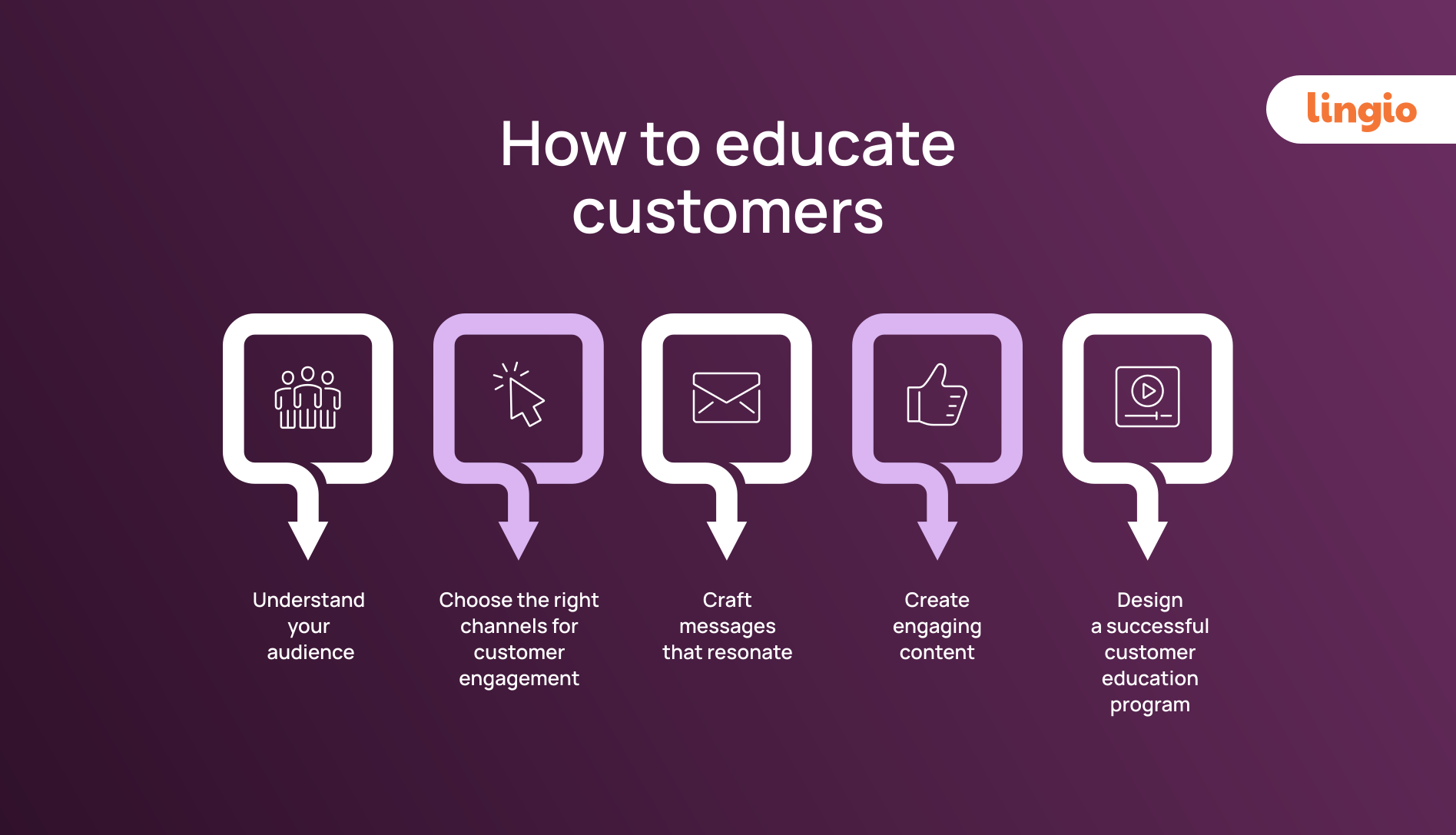
Educates Potential Customers: Provides valuable information that helps customers understand your products, services, and industry before making a purchase decision.
Builds Customer Awareness: Answers common questions and addresses pain points, enabling prospects to make informed and confident choices.
Showcases Expertise: Shares insightful content that demonstrates your knowledge, helping customers trust your brand as a reliable resource.
Guides the Buying Journey: Delivers relevant information at each stage of the customer journey, making it easier for prospects to move toward conversion.
Builds Brand Awareness
Builds Brand Awareness: Increases your brand’s visibility across digital channels, helping more people recognize and remember your business.
Strengthens Brand Recognition: Consistent content and messaging make your brand more familiar and memorable to your target audience.
Expands Audience Reach: Helps you connect with new potential customers and grow your presence in competitive markets.
Creates a Lasting Impression: Engaging and valuable content keeps your brand top-of-mind when customers are ready to make a purchase.

The Role of Content Marketing in Customer Retention
Attracting customers is important, but retaining them is even more valuable. Acquiring a new customer often costs more than keeping an existing one. Content Marketing helps businesses maintain strong relationships after the initial purchase.
By continuing to provide useful information, updates, and support, businesses keep customers engaged and satisfied.
Strengthens Customer Relationships
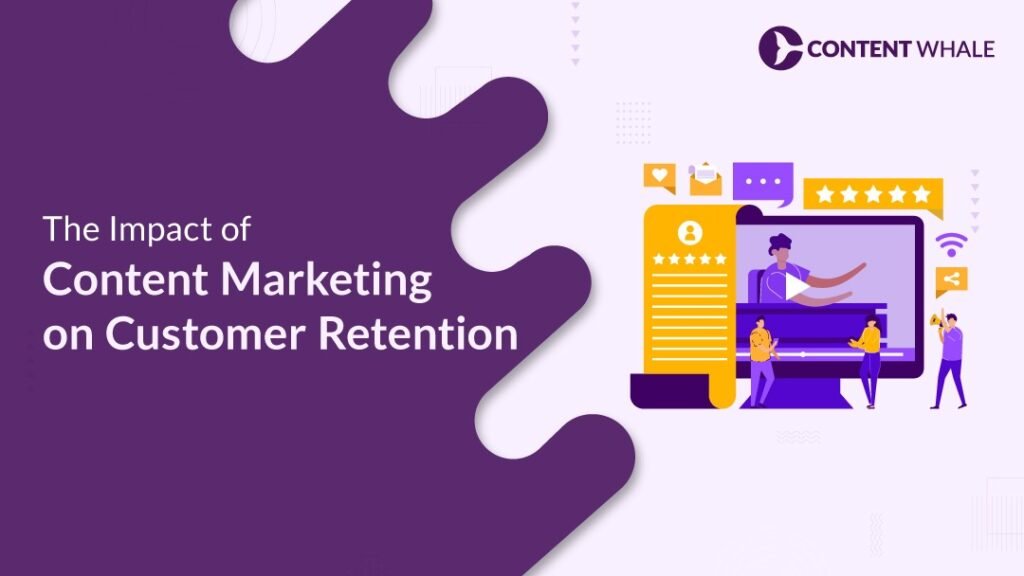
Strengthens Customer Relationships: Builds trust and loyalty by consistently providing valuable, relevant, and engaging content to your audience.
Encourages Meaningful Engagement: Creates opportunities for customers to interact with your brand through comments, feedback, and conversations.
Improves Customer Trust: Sharing helpful information and insights demonstrates reliability and reinforces confidence in your brand.
Fosters Long-Term Loyalty: Regular communication helps maintain strong connections with customers, increasing retention and repeat business.

Encourages Repeat Purchases:
Encourages Repeat Purchases: Keeps customers engaged with relevant content, promotions, and updates that inspire them to buy again.
Increases Customer Retention: Maintains ongoing communication with existing customers, strengthening loyalty and reducing churn.
Promotes Product Awareness: Highlights new products, services, and special offers, encouraging customers to return for additional purchases.
Enhances Customer Value: Builds long-term relationships that increase customer lifetime value through repeat business and brand loyalty.

Enhances Customer Experience
Enhances Customer Experience: Delivers valuable and relevant content that helps customers find information quickly and easily.
Provides Personalized Interactions: Tailored content and recommendations create a more engaging and satisfying customer journey.
Improves Customer Satisfaction: Addresses customer needs, questions, and concerns with helpful resources and timely communication.
Simplifies Decision-Making: Offers clear guidance and insights that help customers make informed purchasing decisions with confidence.

Builds Community:
Builds Community: Creates a space where customers can connect, share experiences, and engage with your brand and each other.
Encourages Customer Participation: Inspires discussions, feedback, and user-generated content that strengthen audience involvement.
Fosters a Sense of Belonging: Helps customers feel valued and connected, increasing loyalty and long-term engagement.
Strengthens Brand Advocacy: Engaged community members are more likely to recommend your brand and support its growth.

Types of Content Marketing That Drive Results
Different types of Content Marketing help businesses connect with their audience in unique ways and achieve specific marketing goals. Blog posts are one of the most effective forms of content because they improve search engine rankings, answer customer questions, and drive organic traffic to a website. Videos are highly engaging and allow businesses to explain products, share tutorials, and tell compelling brand stories. Social media content helps increase brand awareness, encourages audience interaction, and expands reach across multiple platforms. Email marketing enables businesses to deliver personalized content directly to subscribers, nurturing relationships and encouraging repeat purchases. Case studies and customer success stories build trust by demonstrating real-world results, while infographics simplify complex information into easy-to-understand visuals. By using a mix of these content formats, businesses can create a well-rounded Content Marketing strategy that attracts new customers, increases engagement, and supports long-term customer retention.
Blog Posts
Blog Posts: Share informative and engaging articles that educate your audience, improve SEO, and establish your brand as an industry authority
Drives Website Traffic: Regularly published blog content helps attract visitors through search engines and social media channels.
Showcases Industry Expertise: Provides valuable insights, tips, and trends that build credibility and trust with your audience.
Supports Lead Generation: Engaging blog content encourages readers to explore your products or services and take the next step in their customer journey.

Videos
Videos: Deliver engaging visual content that captures attention, explains complex topics, and enhances audience understanding.https://qylenovo.site/videos
Boosts Audience Engagement: Video content is highly interactive and encourages viewers to spend more time with your brand.
Improves Information Retention: Visual storytelling helps audiences better understand and remember key messages.
Increases Reach and Shareability: Videos are easily shared across websites and social media platforms, expanding your brand’s visibility.

Email Marketing
Email Marketing: Sends targeted and personalized messages directly to your audience, helping nurture leads and maintain customer relationships.
Drives Customer Engagement: Keeps your audience informed about updates, offers, and valuable content that encourages interaction with your brand.
Boosts Conversions: Well-crafted email campaigns guide subscribers toward taking action, such as making a purchase or signing up for services.
Strengthens Customer Retention: Regular communication helps maintain strong relationships and encourages repeat business.

Social Media Content
Social Media Content: Shares engaging posts across platforms to connect with your audience and increase brand visibility in real time.
Boosts Audience Engagement: Encourages likes, comments, and shares that help build stronger relationships with your followers.
Expands Brand Reach: Helps your content reach new audiences through shares, hashtags, and platform algorithms.
Builds Brand Personality: Showcases your brand’s voice, values, and culture in a relatable and interactive way.

Case Studies:
Case Studies: Provide real-world examples that showcase how your product or service successfully solves customer problems.
Builds Trust and Credibility: Demonstrates proven results, helping potential customers feel confident in your brand.
Highlights Success Stories: Shows measurable outcomes and client experiences that validate your expertise.
Supports Decision-Making: Helps prospects understand practical benefits, making it easier for them to choose your solution.

Best Practices for a Successful Content Marketing Strategy
A successful Content Marketing Strategy requires careful planning, consistency, and a deep understanding of your target audience. Businesses that achieve the best results focus on creating valuable content that addresses customer needs rather than simply promoting products or services. Start by identifying your audience’s interests, challenges, and goals, then develop content that provides useful solutions. Consistently publishing high-quality blog posts, videos, emails, and social media content helps build trust and keeps your brand visible. It is also important to optimize content for search engines to improve online visibility and attract organic traffic. Regularly tracking performance metrics such as website visits, engagement rates, and conversions allows businesses to refine their strategy and improve results over time.

Understand Your Audience
Understand Your Audience: Identifies your customers’ needs, preferences, and behaviors to create more relevant and effective content.
Improves Targeting: Helps tailor messaging to specific audience segments, increasing engagement and conversion rates.
Enhances Content Relevance: Ensures your content addresses real problems and interests that matter to your audience.
Strengthens Marketing Strategy: Provides insights that guide better decision-making across campaigns and channels.
Focus on Quality
Focus on Quality: Emphasizes creating accurate, well-researched, and valuable content that truly meets audience needs and expectations.
Builds Trust and Credibility: High-quality content positions your brand as reliable and authoritative in your industry.
Improves User Experience: Clear, engaging, and useful content keeps readers satisfied and encourages longer engagement.
Drives Better Results: Quality-focused content performs better in search rankings, engagement, and conversions.

Maintain Consistency:
Maintain Consistency: Ensures regular publishing of content to keep your audience engaged and your brand visible over time.
Builds Brand Reliability: Consistent messaging and posting help establish trust and familiarity with your audience.
Improves Audience Retention: Frequent and predictable content keeps your audience coming back for more.
Strengthens Marketing Impact: A consistent content strategy improves performance across SEO, social media, and overall brand presence.

Measure Performance
Measure Performance: Tracks content effectiveness using key metrics like traffic, engagement, and conversions to understand what works best.
Improves Decision-Making: Data-driven insights help refine your strategy and focus on high-performing content.
Identifies Growth Opportunities: Highlights gaps and trends to optimize future campaigns for better results.
Maximizes ROI: Ensures marketing efforts deliver measurable value and better return on investment over time.

Common Content Marketing Mistakes to Avoid
While Content Marketing can deliver significant business growth, many companies fail to achieve results because of common mistakes. One of the biggest errors is creating content without a clear strategy or understanding of the target audience. Publishing content that does not address customer needs can lead to low engagement and poor conversion rates. Another mistake is focusing too heavily on sales promotions instead of providing valuable and informative content. Inconsistent publishing schedules can also reduce audience trust and make it difficult to maintain visibility in search engines. Additionally, neglecting SEO best practices may prevent content from reaching potential customers, limiting its effectiveness. Many businesses also fail to track performance metrics, making it harder to identify what works and what needs improvement. By avoiding these mistakes and focusing on quality, consistency, audience value, and optimization, businesses can maximize the impact of their Content Marketing efforts and achieve better long-term results.

Publishing Irregularly
Publishing Irregularly: Inconsistent posting leads to reduced audience engagement and weaker brand visibility over time.
Reduces Audience Trust: Irregular content schedules can make your brand appear unreliable or inactive to your audience.
Impacts SEO Performance: Search engines favor consistent updates, so irregular publishing can lower rankings and traffic.
Misses Engagement Opportunities: Gaps in posting mean lost chances to connect with your audience and attract new followers.

Ignoring Audience Needs
Ignoring Audience Needs: Creates content that fails to address customer interests, pain points, or expectations, leading to low engagement and poor results.
Reduces Relevance: When content doesn’t match audience needs, it becomes less useful and less likely to attract attention.
Weakens Engagement: Audiences are less likely to interact with or trust content that doesn’t solve their problems.
Hurts Conversions: Ignoring what customers want can result in missed opportunities and lower conversion rates.

Neglecting SEO
Neglecting SEO: Limits your website’s visibility on search engines, making it harder for potential customers to find your content.
Reduces Organic Traffic: Without SEO optimization, your content struggles to rank, leading to fewer website visitors
Weakens Online Presence: Poor SEO practices reduce your brand’s chances of appearing in relevant search results.
Misses Growth Opportunities: Ignoring SEO means losing valuable leads and long-term traffic from search engines
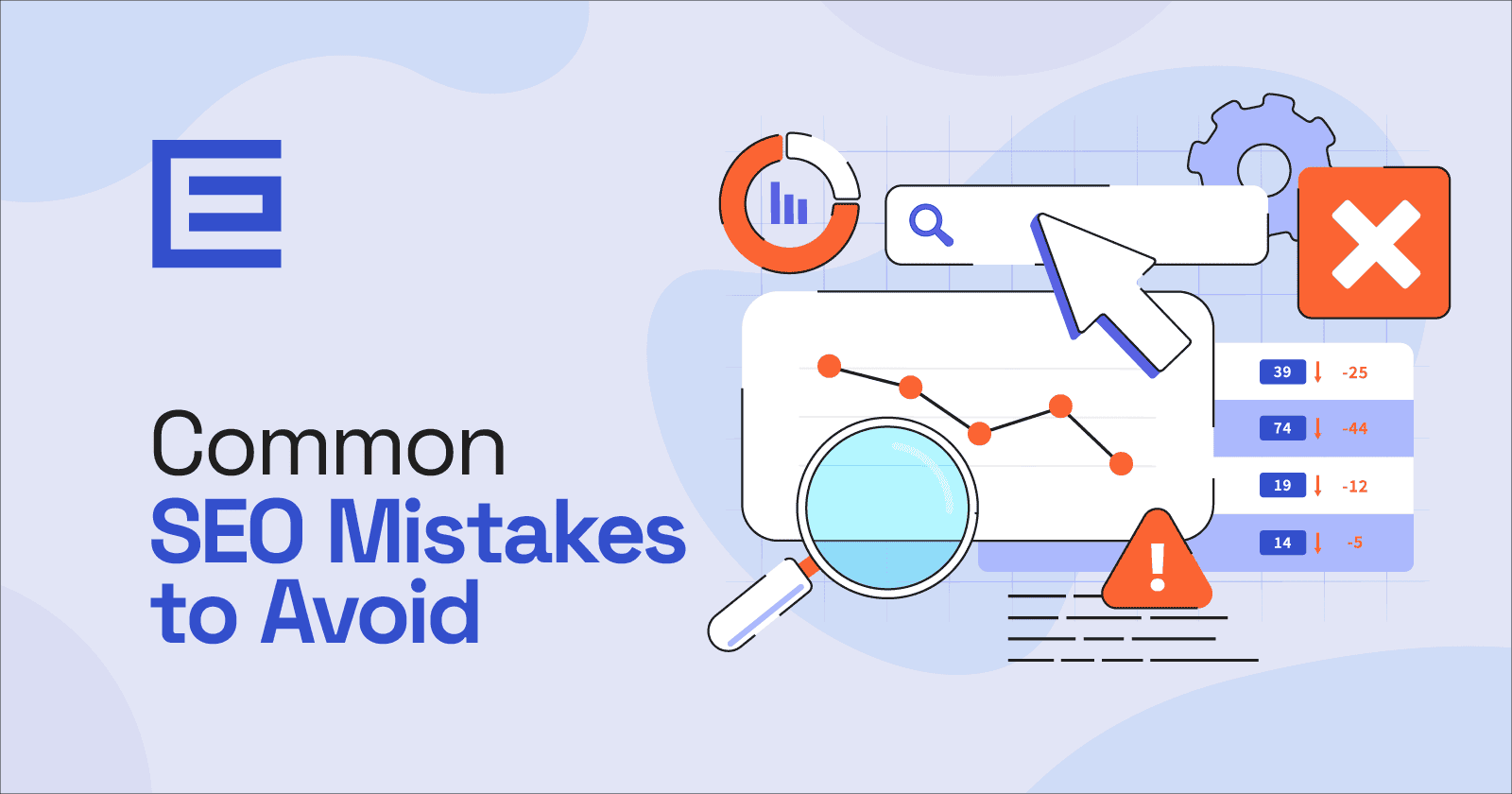
Failing to Measure Results
Failing to Measure Results: Prevents you from understanding how your content is performing and what improvements are needed.
Limits Data-Driven Decisions: Without tracking metrics, it becomes difficult to optimize strategy effectively.
Reduces Marketing Efficiency: You may continue investing in content that does not deliver strong results or ROI.
Misses Growth Insights: Lack of analysis hides opportunities to improve engagement, traffic, and conversions.

Measuring the Success of Your Content Marketing Efforts
Measuring performance is essential for improving your Content Marketing strategy and achieving long-term business goals. Without tracking results, it becomes difficult to understand which content resonates with your audience and drives meaningful outcomes. Businesses should regularly analyze key metrics such as website traffic, engagement rates, lead generation, conversion rates, and customer retention. These insights help identify successful content types and areas that need improvement. A data-driven Content Marketing approach allows businesses to optimize their efforts, maximize return on investment, and create content that delivers better results over time.
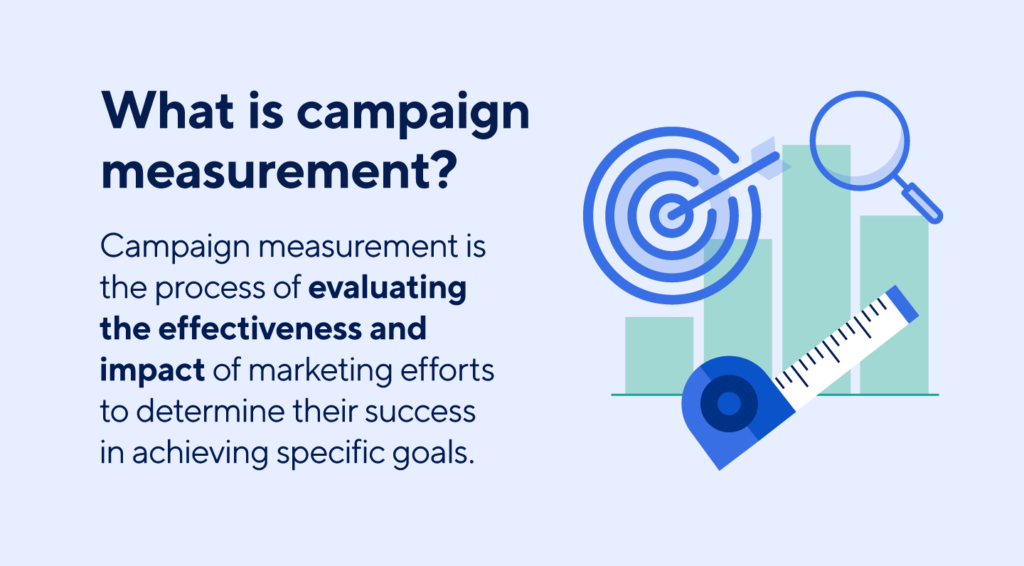
Key Metrics to Track
- Website Traffic
Monitor the number of visitors coming to your website through content. - Engagement Rate
Track comments, shares, likes, and time spent on content. - Lead Generation
Measure how many potential customers are captured through content. - Conversion Rate
Analyze how many visitors take desired actions such as purchases or sign-ups.
How Content Marketing Builds Brand Authority
One of the greatest benefits of Content Marketing is its ability to establish brand authority within an industry. When businesses consistently publish valuable, accurate, and informative content, they become trusted sources of information for their audience. Customers are more likely to engage with and purchase from brands they view as knowledgeable and reliable. Strong Content Marketing helps businesses stand out from competitors, strengthen credibility, and build lasting customer relationships that support sustainable growth.
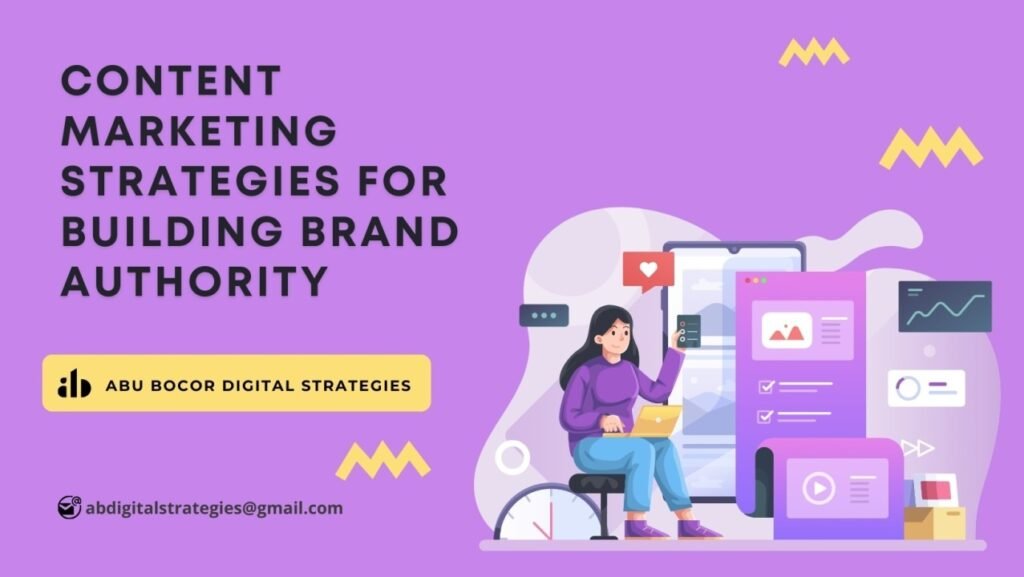
Ways to Establish Authority
- Publish Expert Content
Share industry insights, research, and practical solutions. - Answer Customer Questions
Address common concerns to build trust and confidence. - Share Success Stories
Showcase real customer experiences and achievements. - Maintain Consistency
Regular content publishing reinforces expertise and reliability.
The Long-Term Benefits of Content Marketing
Unlike short-term advertising campaigns, Content Marketing continues to provide value long after content is published. High-quality content can generate traffic, leads, and customer engagement for months or even years. As businesses build a library of valuable resources, they strengthen their online presence and increase opportunities for customer acquisition and retention. A consistent Content Marketing strategy creates sustainable growth by improving brand awareness, increasing trust, and supporting long-term business objectives.

Long-Term Advantages
- Sustainable Traffic Growth
Quality content attracts visitors over an extended period. - Improved Customer Loyalty
Helpful content encourages customers to stay connected with your brand. - Higher Marketing ROI
Content continues delivering results without ongoing advertising costs. - Stronger Brand Recognition
Consistent visibility increases awareness and market presence.

Why Every Business Needs Content Marketing
In today’s digital landscape, businesses of all sizes can benefit from Content Marketing. Consumers expect valuable information before making purchasing decisions, and businesses that provide helpful content gain a competitive advantage. Whether the goal is increasing website traffic, generating leads, building trust, or improving customer retention, Content Marketing plays a crucial role in achieving success. By investing in a strategic content plan, businesses can create meaningful customer relationships and drive long-term growth.

Reasons to Invest in Content Marketing
- Attract More Customers
Valuable content helps potential customers discover your business. - Build Customer Trust
Educational content positions your brand as a reliable resource. - Increase Online Visibility
SEO-friendly content improves search engine rankings. - Support Business Growth
Consistent content contributes to long-term revenue and brand development.
The Future of Content Marketing
As consumer expectations evolve, Content Marketing will remain one of the most effective digital marketing strategies. Businesses that consistently create valuable content will continue to attract customers, improve engagement, and build long-term loyalty.
Personalization, artificial intelligence, interactive experiences, and video content are expected to shape the future of Content Marketing. Companies that adapt to these trends will gain a competitive advantage and strengthen customer relationships.

Conclusion
The power of Content Marketing lies in its ability to create meaningful connections with customers. By delivering valuable information, businesses can attract new audiences, build trust, and encourage long-term loyalty.
A well-planned Content Marketing Strategy supports every stage of the customer journey—from awareness and lead generation to engagement and retention. Businesses that invest in Content Marketing consistently gain stronger brand authority, better customer relationships, and sustainable growth.
Whether you are a startup or an established brand, implementing an effective Content Marketing approach can help you stand out in a crowded marketplace and achieve long-term success.
