Table of Contents
Introduction
AI in SEO 2026 is revolutionizing the digital marketing landscape faster than ever before. Search engines are becoming smarter, user behavior is evolving, and businesses are increasingly relying on artificial intelligence to improve their online visibility. From advanced keyword research and content optimization to predictive analytics and automated technical audits, AI in SEO 2026 is helping marketers achieve better rankings and improved user engagement.
The integration of artificial intelligence into search engine optimization is no longer a future trend—it is a present-day necessity. Companies that embraceAI in SEO 2026 can streamline workflows, create highly relevant content, understand search intent more accurately, and stay ahead of competitors. As search algorithms become more sophisticated, leveraging AI tools is essential for maintaining a strong digital presence.
In this comprehensive guide, we will explore the most powerful ways AI in SEO 2026 is changing search engine optimization and how businesses can benefit from these advancements.
Understanding the Role of AI in SEO 2026
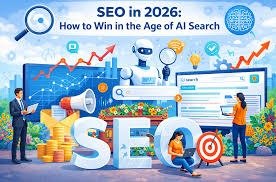
Artificial intelligence has become a major force behind modern search engine optimization strategies. Search engines use machine learning and AI algorithms to understand user intent, evaluate content quality, and deliver the most relevant results.Artificial intelligence is playing a central role in shaping modern search engine optimization strategies, and AI in SEO 2026 is at the core of this transformation. Search engines are no longer relying only on keywords; instead, they use AI-driven algorithms to understand user intent, context, and content quality more accurately. This shift allows websites to rank based on relevance and usefulness rather than simple keyword matching, making SEO more intelligent and user-focused.
In AI in SEO 2026, machine learning models analyze massive amounts of search data to identify patterns in user behavior. These insights help search engines deliver more personalized and accurate results. For marketers, this means content must be created with a deeper focus on solving user problems, improving engagement, and providing real value. AI tools also assist SEO professionals by automating tasks like keyword research, content optimization, and performance tracking.
Key Benefits of AI in SEO 2026
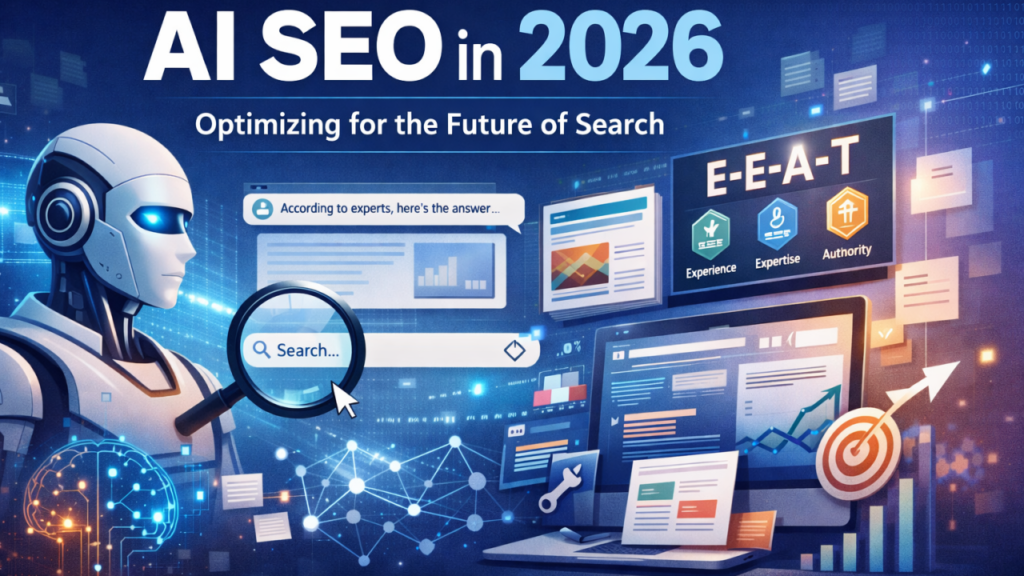
- Improved Search Intent Analysis
AI helps identify what users are actually looking for rather than focusing only on keywords. - Better Content Relevance
Search engines can assess content context and quality more effectively. - Enhanced User Experience
AI-driven insights help websites improve navigation, speed, and engagement. - Automated Optimization
Repetitive SEO tasks can be completed more efficiently using AI-powered tools.
The growing adoption of AI in SEO 2026 allows businesses to create smarter strategies that align with evolving search engine requirements.
AI-Powered Keyword Research Is Becoming Smarter
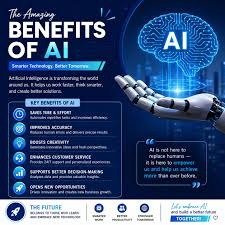
In AI in SEO 2026, keyword research has become more advanced and data-driven due to artificial intelligence. Modern AI tools can quickly analyze large volumes of search data to understand user intent, identify trending topics, and suggest high-performing long-tail keywords. This helps marketers save time and create more focused SEO strategies that align with what users are actually searching for.
AI also improves accuracy in keyword selection by predicting future search trends and grouping related keywords into meaningful clusters. Instead of relying only on manual research, SEO professionals can now use AI insights to build content that is more relevant, competitive, and optimized for better search engine rankings in 2026.
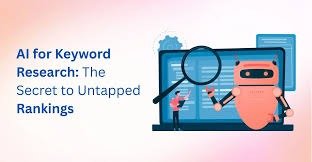
Advanced Keyword Discovery
AI tools can identify:
- Long-tail keyword opportunities
- Emerging search trends
- Seasonal keyword patterns
- User intent variations
Instead of manually researching keywords, businesses can use AI in SEO 2026 to uncover valuable search opportunities in minutes.
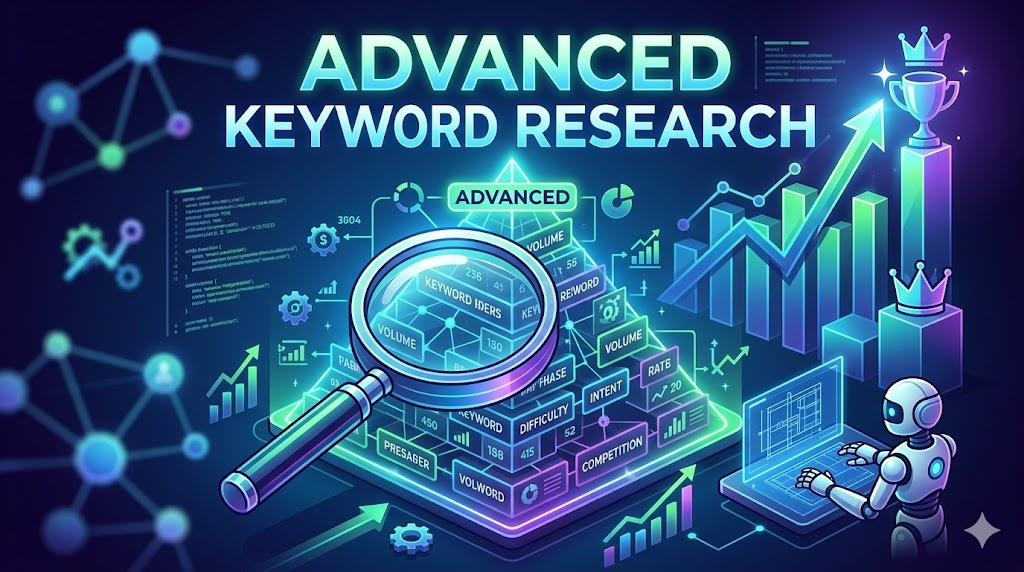
Predictive Keyword Analysis
AI systems can predict future search trends by analyzing large datasets.
Benefits include:
- Early trend identification
- Better content planning
- Competitive advantage
- Improved traffic forecasting
These capabilities make AI in SEO 2026 a powerful asset for strategic keyword planning.
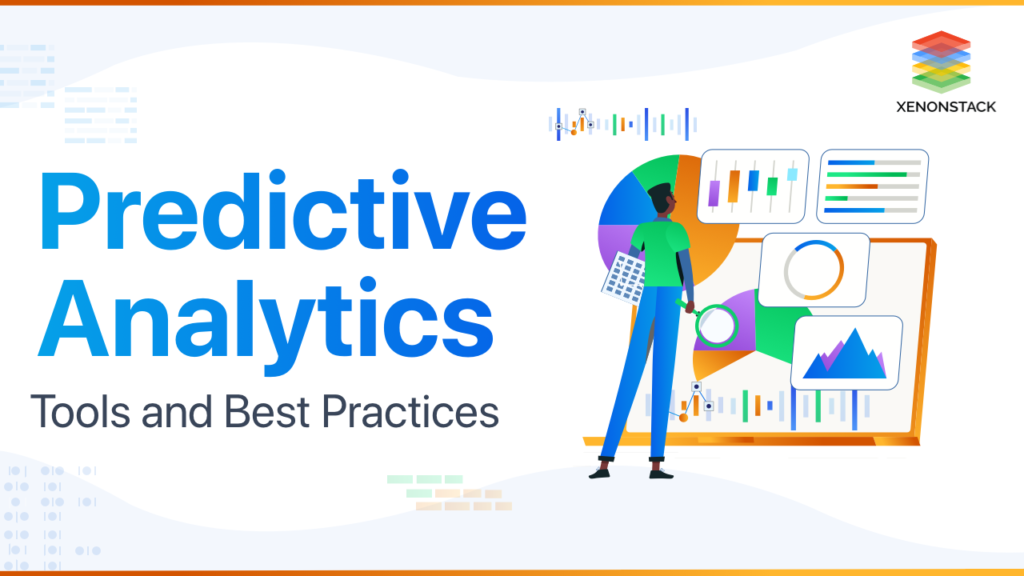
Content Creation and Optimization with AI
In AI in SEO 2026, content creation and optimization have become faster and more efficient due to artificial intelligence tools. AI can generate topic ideas, create structured outlines, and suggest engaging headlines based on search trends and user intent. This helps content creators save time while producing high-quality, SEO-friendly content that is more likely to rank well in search engines.
AI also plays a key role in optimizing content by analyzing readability, keyword usage, and overall structure. It provides real-time suggestions to improve clarity, add relevant keywords, and enhance user engagement. As a result, businesses can create more targeted and effective content strategies that align with evolving search engine algorithms in 2026.
Faster Content Development
AI tools assist writers by:
- Generating topic ideas
- Creating outlines
- Suggesting headlines
- Identifying content gaps
This reduces research time and increases productivity.
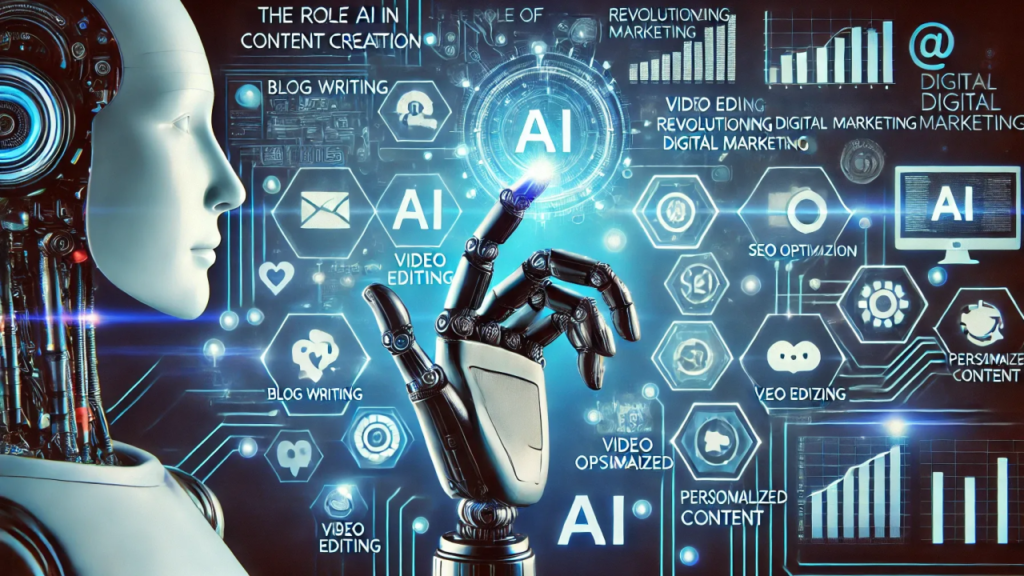
Enhanced Content Optimization
AI analyzes content for:
- Keyword relevance
- Readability
- Structure
- User intent alignment
With AI in SEO 2026, marketers can optimize content based on real-time recommendations rather than assumptions.
Improved Semantic SEO
Modern AI understands context and relationships between topics.
Benefits include:
- Better topical authority
- Stronger content relevance
- Enhanced ranking opportunities
- Improved user satisfaction
The rise of semantic search highlights the importance of AI in SEO 2026 for content optimization.
AI Is Transforming Technical SEO
In AI in SEO 2026, technical SEO has become more efficient and accurate with the help of artificial intelligence tools. AI can automatically detect website issues such as broken links, slow page speed, crawl errors, and indexing problems, allowing SEO professionals to fix them quickly. This reduces manual effort and ensures that websites maintain strong technical performance for better search engine rankings.
AI also improves technical SEO by analyzing site structure, mobile usability, and Core Web Vitals in real time. It provides smart recommendations for improving performance, such as optimizing images, enhancing page loading speed, and improving internal linking. As a result, businesses can maintain healthier websites that meet search engine requirements and deliver a better user experience in 2026..

Automated Website Audits
AI-powered platforms can identify:
- Broken links
- Duplicate content
- Crawl errors
- Indexing issues
This allows businesses to resolve technical problems quickly.
Faster Site Performance Analysis
AI can evaluate:
- Core Web Vitals
- Page speed
- Mobile usability
- User interaction metrics
Improved technical performance contributes significantly to SEO success.
Intelligent Schema Recommendations
AI tools can recommend structured data implementations that improve visibility in search results.
As technical requirements grow more complex, AI in SEO 2026 provides valuable automation and accuracy.
Search Intent Analysis Is More Accurate Than Ever
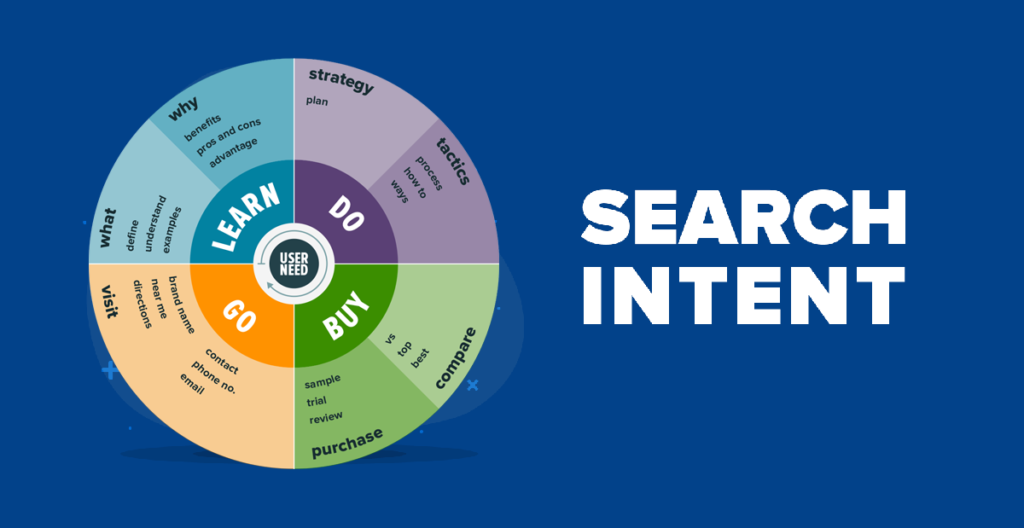
In AI in SEO 2026, search intent analysis has become highly accurate due to advanced artificial intelligence and machine learning models. Search engines can now better understand what users are actually looking for behind each query, whether it is informational, navigational, transactional, or commercial. This helps deliver more relevant search results that match user expectations and improve overall satisfaction.
AI also helps SEO professionals create content that aligns closely with user intent by analyzing search patterns, behavior signals, and contextual meaning. Instead of focusing only on keywords, marketers can now design content that directly answers user needs, leading to higher engagement, better rankings, and improved visibility in search results in 2026.
Intent-Based Content Strategies
AI can classify search intent into:
- Informational searches
- Navigational searches
- Transactional searches
- Commercial investigation searches
This helps marketers create content that aligns with user expectations.
Personalized Search Experiences
AI enables search engines to deliver:
- Personalized recommendations
- Context-aware results
- Location-based relevance
- Behavioral targeting
The ability to interpret user behavior makes AI in SEO 2026 essential for modern optimization strategies.
Voice Search Optimization Through AI
In AI in SEO 2026, voice search optimization has become increasingly important as more users rely on smart assistants and mobile voice commands to find information quickly. Artificial intelligence helps search engines understand natural language queries, accents, and conversational patterns more accurately, allowing results to be more precise and context-aware.
AI also enables SEO professionals to optimize content for voice search by focusing on long-tail keywords, question-based phrases, and conversational tone. This shift encourages businesses to structure content in a more natural way, making it easier for voice assistants to extract answers and deliver them directly to users, improving visibility and engagement in 2026.

Conversational Keyword Optimization

AI helps marketers identify:
- Natural language phrases
- Question-based queries
- Voice-friendly keywords
- Conversational search patterns
Improved Featured Snippet Opportunities
Voice assistants often rely on featured snippets for answers.

Best practices include:
- Clear answers
- Structured content
- FAQ sections
- Concise explanations
Businesses leveraging AI in SEO 2026 can better position their content for voice search success.
AI Enhances User Experience Signals
In AI in SEO 2026, user experience signals have become a major ranking factor as artificial intelligence helps search engines analyze how users interact with websites. AI tracks metrics such as bounce rate, time on page, click-through rate, and engagement patterns to understand whether a website is truly providing value to visitors. This allows search engines to rank pages that deliver better and more satisfying user experiences.
AI also helps website owners improve user experience by offering insights into design, navigation, and content performance. It can identify weak areas such as slow loading pages or confusing layouts and suggest improvements to enhance usability. As a result, businesses can create more user-friendly websites that increase engagement and perform better in search rankings in 2026.

Behavioral Data Analysis
AI evaluates:
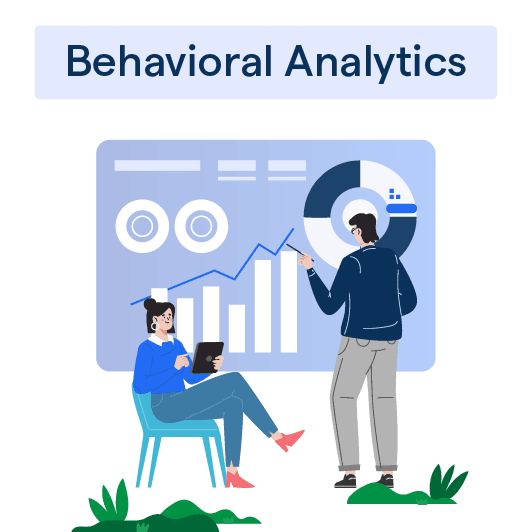
- Bounce rates
- Session duration
- Click-through rates
- Engagement patterns
These insights help optimize website performance.
Personalized Content Recommendations

AI-powered systems can display:
- Relevant articles
- Product suggestions
- Personalized offers
- Dynamic content experiences
Improved user engagement supports better search visibility and rankings.
Competitive Analysis with Artificial Intelligence
In AI in SEO 2026, competitive analysis has become more advanced and efficient due to artificial intelligence tools that can track and evaluate competitor strategies in real time. AI helps SEO professionals monitor keyword rankings, content performance, backlink profiles, and traffic patterns of competitors, making it easier to understand what is working in the industry and where opportunities exist.
AI also provides actionable insights by identifying content gaps, emerging trends, and underperforming areas that businesses can target to gain a competitive advantage. With this data-driven approach, marketers can quickly adjust their SEO strategies, improve content quality, and stay ahead in search rankings in 2026.

Automated Competitor Monitoring

AI tracks:
- Ranking changes
- Keyword performance
- Content updates
- Backlink growth
Opportunity Identification
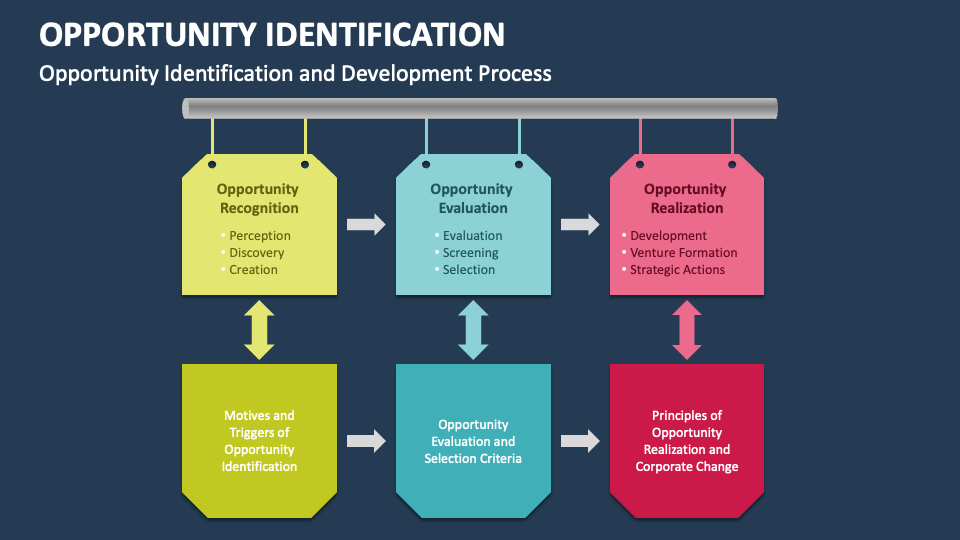
Businesses can discover:
- Untapped keywords
- Content gaps
- Link-building opportunities
- Emerging industry trends
Through advanced analysis, AI in SEO 2026 provides actionable competitive insights.
AI-Powered Link Building Strategies
In AI in SEO 2026, link building has become more efficient and data-driven through the use of artificial intelligence. AI tools can analyze large datasets to identify high-authority websites, relevant niches, and strong backlink opportunities that match a brand’s content strategy. This helps SEO professionals focus on quality links rather than wasting time on low-value outreach.
AI also improves outreach by automating prospecting, personalizing email campaigns, and tracking response rates. It can predict which websites are more likely to provide backlinks based on past behavior and relevance signals. As a result, businesses can build stronger, more natural backlink profiles that improve domain authority and search rankings in 2026.
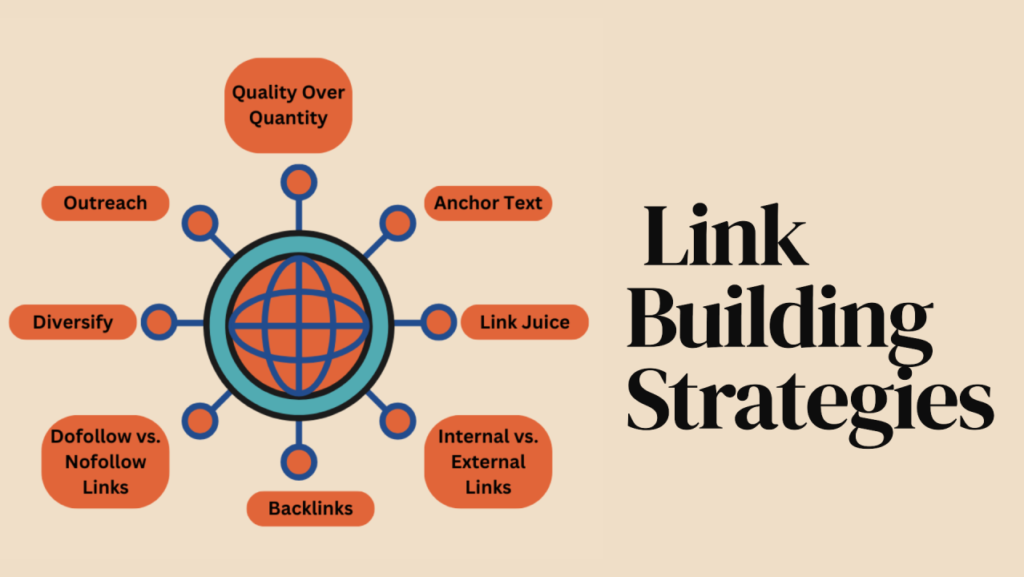
Smarter Prospect Identification
AI can identify websites with:
- High authority
- Relevant audiences
- Strong engagement
- Link-building potential
Relationship Management
AI tools help streamline:
:max_bytes(150000):strip_icc()/relationship-management.asp-final-328dedfe770649a197cbab3b6a2aa18d.png)
- Outreach campaigns
- Follow-up sequences
- Contact organization
- Performance tracking
This increases efficiency while maintaining quality standards.
Predictive SEO and Future Search Trends
In AI in SEO 2026, predictive SEO is becoming a powerful strategy as artificial intelligence helps marketers forecast future search behavior based on historical data, user patterns, and emerging trends. AI tools can identify what topics are likely to gain popularity, allowing businesses to create content before demand peaks and gain a strong competitive advantage in search rankings.
Predictive SEO also helps in planning long-term content strategies by analyzing seasonal trends, audience interests, and industry shifts. With these insights, SEO professionals can make smarter decisions, target the right keywords at the right time, and stay ahead of competitors in an increasingly AI-driven search landscape in 2026.
Forecasting Search Behavior
AI analyzes historical data to predict:
- Future search demand
- Market changes
- Consumer interests
- Seasonal fluctuations
Strategic Decision-Making
Businesses can use predictive insights to:
- Create content earlier
- Capture emerging trends
- Allocate resources effectively
- Improve ROI
The predictive capabilities of AI in SEO 2026 give businesses a significant competitive edge.
Challenges and Limitations of AI in SEO 2026
In AI in SEO 2026, while artificial intelligence offers many advantages, it also comes with several challenges and limitations that SEO professionals must consider. One major issue is the risk of over-reliance on AI tools, which can sometimes lead to generic or less creative content that fails to fully engage users. Additionally, AI systems may misinterpret context or user intent in certain cases, resulting in less accurate recommendations or strategies.
Another limitation is the constant evolution of search engine algorithms, which means AI tools must continuously adapt to stay effective. There are also concerns related to data privacy, ethical usage, and the quality of automated outputs. Therefore, combining human creativity with AI insights remains essential to achieve balanced, high-quality SEO results in 2026.

Potential Challenges
Common concerns include:
- Over-reliance on automation
- Content quality inconsistencies
- Lack of human creativity
- Data privacy considerations
Balancing AI and Human Expertise
Successful SEO strategies combine:
- AI-driven insights
- Human creativity
- Strategic thinking
- Industry expertise
Organizations should use AI in SEO 2026 as a support system rather than a complete replacement for human decision-making.
Best Practices for Implementing AI in SEO 2026
In AI in SEO 2026, implementing artificial intelligence effectively in SEO requires a balanced approach that combines automation with human expertise. Businesses should use AI tools to support tasks like keyword research, content optimization, technical audits, and performance tracking, while still ensuring that content remains original, valuable, and user-focused. Relying too heavily on automation can reduce creativity, so human review is essential for maintaining quality and relevance.
It is also important to continuously monitor SEO performance and adjust strategies based on AI-generated insights. Marketers should focus on user intent, maintain strong site structure, and regularly update content to match evolving search trends. By following these best practices, businesses can fully leverage AI in SEO 2026 to improve rankings, increase traffic, and achieve long-term digital growth.
Recommended Practices
- Use AI for research and analysis
- Maintain human content review
- Focus on user intent
- Monitor algorithm updates
- Track performance metrics regularly
Continuous Improvement
SEO success requires:
- Ongoing testing
- Data-driven decisions
- Content optimization
- Technical maintenance
Combining these practices with AI in SEO 2026 ensures sustainable growth and improved search visibility.
Conclusion
The impact of AI in SEO 2026 is reshaping every aspect of search engine optimization. From keyword research and content creation to technical audits, predictive analytics, and user experience improvements, artificial intelligence offers unprecedented opportunities for businesses seeking higher search rankings and stronger online visibility.
Organizations that embrace AI in SEO 2026 can improve efficiency, make smarter decisions, and adapt more effectively to changing search engine algorithms. While human expertise remains essential, AI serves as a powerful partner that enhances productivity and strategic planning.
As search technology continues to evolve, businesses that invest in AI in SEO 2026 today will be better positioned to achieve long-term SEO success, outperform competitors, and deliver exceptional value to their audiences.