
Digital marketing is evolving faster than ever. Businesses in 2026 must adapt to changing technologies, customer behavior, and online competition to stay ahead. New technologies like automation, artificial intelligence, and immersive content are transforming the way companies connect with audiences.
One of the most influential trends shaping the future is AI marketing. Businesses now use smart technologies to automate campaigns, personalize customer experiences, and improve marketing performance. Companies that adopt modern digital strategies can improve brand visibility, increase website traffic, and generate more leads.
This guide explores the top digital marketing trends businesses should watch in 2026 and how these trends can help improve growth and customer engagement.
Table of contents
Digital Marketing in 2026 Trends
Digital Marketing in 2026: Key Trends Explained
Digital marketing refers to the process of promoting products and services using online platforms such as websites, search engines, social media, email, and mobile applications.
Digital marketing combines technology, creativity, analytics, and communication strategies to help businesses connect with targeted audiences online. Modern companies use digital marketing to increase visibility, improve customer relationships, and drive sales.
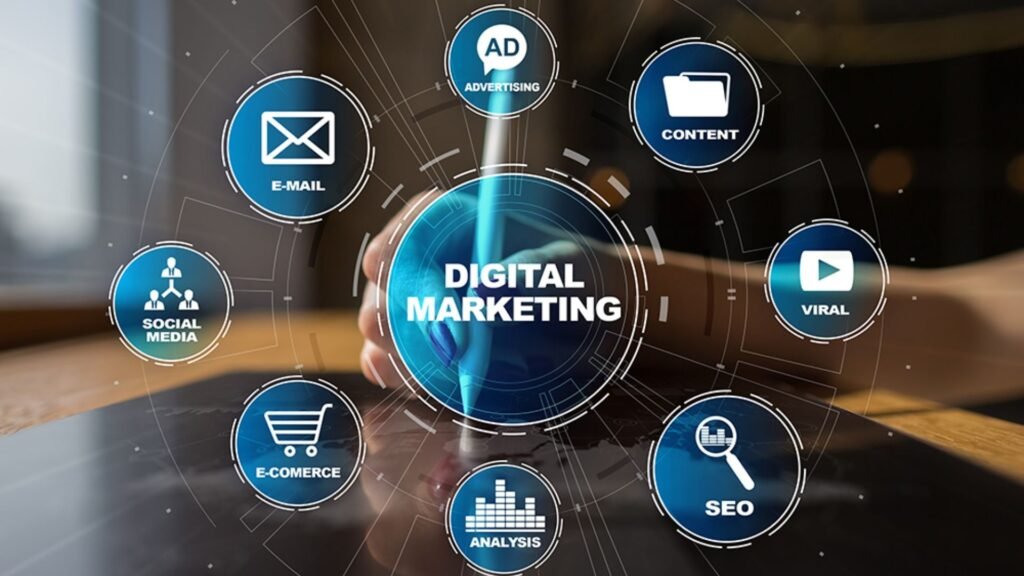
Digital marketing is generally divided into several major categories:
- Search Engine Optimization (SEO): Improves website visibility on search engines to attract organic traffic.
- Content Marketing: Creates valuable content to attract, engage, and convert audiences.
- Social Media Marketing: Promotes brands and engages users on platforms like Instagram, Facebook,
- Email Marketing: Sends targeted emails to nurture leads and build customer relationships.
- Video Marketing: Uses videos to explain products, educate users, and increase engagement.
- Pay-Per-Click Advertising (PPC): Paid ads where businesses pay only when users click.
- Influencer Marketing: Collaborates with influencers to promote products and reach wider audiences.
- Marketing Automation: Uses tools to automate repetitive marketing tasks and improve efficiency
Each area plays a unique role in building a successful online business presence.
Importance of AI Marketing in 2026
Artificial intelligence is becoming a major part of digital marketing strategies worldwide. Businesses now rely on AI marketing tools to analyze customer behavior, automate repetitive tasks, and improve campaign performance.
In 2026, AI marketing has become essential for businesses that want to stay competitive in a fast-changing digital landscape. It helps brands understand customer behavior, improve campaign performance, and make data-driven decisions with greater accuracy and speed.
One of the main reasons AI marketing is important is its ability to process and analyze large amounts of data in real time. This allows marketers to gain deep insights into customer preferences, trends, and buying patterns, leading to more effective strategies.
Importance of AI Marketing in 2026
Benefits of AI Marketing in 2026
Faster decision-making: AI analyzes data quickly to support real-time marketing decisions.
Better personalization: Delivers highly relevant content, ads, and offers to individual users. Improved targeting: Helps reach the right audience with higher accuracy and lower waste. Higher efficiency: Automates repetitive tasks like content creation, emails, and reporting. Increased ROI: Optimizes campaigns to get better results with lower marketing costs.
Businesses using AI marketing can achieve several advantages:
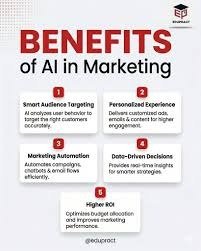
Benefits of AI Marketing in 2026
How AI Marketing Improves Business Growth in 2026
In 2026, AI marketing has become a major driver of business growth by helping companies make smarter decisions, improve efficiency, and deliver highly personalized customer experiences. With advanced machine learning and real-time analytics, businesses can now understand their customers better than ever before and respond quickly to changing market trends.
One of the biggest advantages of AI marketing is improved decision-making. AI tools analyze large amounts of data instantly, helping marketers identify what strategies are working and what needs improvement. This allows businesses to adjust campaigns in real time for better performance and results.
Another key factor is personalization. AI marketing enables businesses to deliver tailored content, product recommendations, and advertisements based on user behavior, interests, and purchase history. This increases engagement, builds stronger customer relationships, and boosts conversion rates.
Modern AI marketing platforms help businesses:
Automate marketing tasks: Reduce manual work by automating emails, posts, ads, and reporting.
Improve customer targeting: Identify and reach the most relevant audience for better campaign results.
Enhance personalization: Deliver tailored content, offers, and recommendations to each user
Analyze data in real time: Track performance and customer behavior instantly for faster decisions.
Increase conversion rates: Optimize campaigns to turn more visitors into customers.
Companies that invest in AI marketing gain a competitive advantage in the digital marketplace.
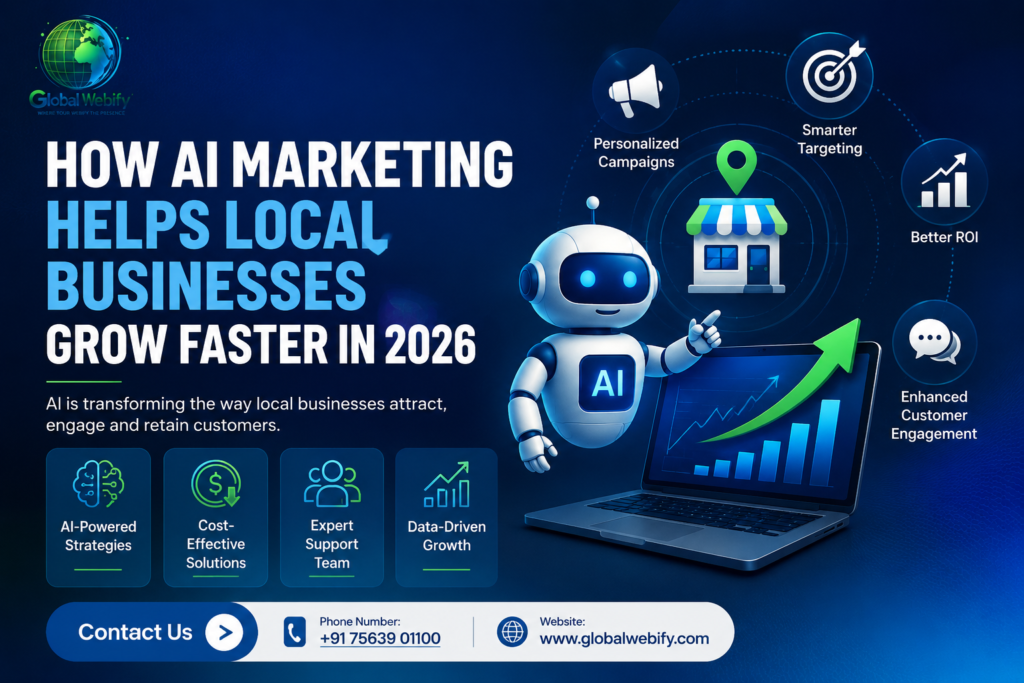
How AI Marketing Improves Business Growth in 2026
Voice Search Optimization in 2026
Voice Search Optimization in 2026 is important as more users rely on AI assistants and smart devices to search online. It focuses on optimizing content for natural, conversational queries instead of short keywords.
Businesses now create content that directly answers questions in a simple and clear way to improve visibility in voice search results. Featured snippets, fast-loading pages, and mobile-friendly design play a major role in ranking for voice queries.
Local SEO is also important because many voice searches include “near me” queries. Overall, Voice Search Optimization helps businesses improve reach, visibility, and user engagement in a more natural search environment.
Key Voice Search Optimization Strategies
Use conversational keywords: Optimize content for natural, question-based phrases users speak.
Focus on long-tail keywords: Target longer and more specific search queries for better voice results.
Answer direct questions: Create clear Q&A-style content that quickly solves user queries.
Optimize for featured snippets: Structure content with headings, lists, and short answers to appear in “position zero.”
Improve mobile performance: Ensure fast loading speed and mobile-friendly design.
Strengthen local SEO: Optimize Google Business Profile and target “near me” searches.
Use structured data: Implement schema markup to help search engines understand content better.
Keep content simple: Write in clear, natural language for better voice assistant understanding.
Benefits of Voice Search Optimization
Voice search optimization helps businesses:
- Improve search rankings: Optimize content, keywords, and technical SEO to rank higher on search engines.
- Increase organic traffic: Attract more visitors through unpaid search results and high-quality content.
- Enhance mobile experiences: Ensure fast, responsive, and user-friendly design on all mobile devices.
- Reach local customers: Use local SEO strategies to connect with nearby audiences and improve visibility in local searches.
- Improve user engagement: Create relevant, interactive, and valuable content to keep users active and interested.
Many brands combine voice optimization with AI marketing strategies for better targeting and customer understanding.
Voice Search Optimization in 2026
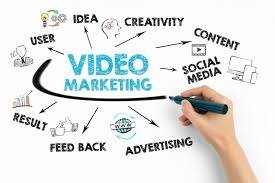
Why Video Marketing Will Dominate in 2026

Video marketing is expected to dominate digital marketing in 2026 because it delivers faster engagement, higher retention, and stronger emotional connections compared to other content formats. With the rise of short-form video platforms and AI-powered content creation, brands are using video as their primary communication tool.
One major reason for this growth is the increasing popularity of platforms like YouTube, Instagram Reels, and TikTok, where users prefer quick, engaging, and visually rich content. These platforms are shaping how audiences discover products, learn new information, and make buying decisions.
In addition, video content improves conversion rates significantly. Studies show that users are more likely to purchase a product after watching a video demonstration or review. This makes video marketing a powerful tool for building trust and influencing customer behavior.
AI technology is also making video production faster and more affordable. Businesses can now create personalized video ads, automated product explainers, and dynamic storytelling content at scale without high production costs.
Finally, search engines are prioritizing video content in rankings, increasing visibility for brands that invest in video SEO. As a result, companies that focus on video marketing in 2026 will have a strong competitive advantage in reaching and converting their audience.
Popular Video Content Types
Businesses are creating:
- Product demonstrations: Show how a product works and highlight its key features and benefits.
- Educational tutorials: Teach users step-by-step how to use a product or understand a topic.
- Behind-the-scenes videos: Give audiences a look at how a business operates and builds its products.
- Customer testimonials: Share real customer experiences to build trust and credibility.
- Live streaming content: Engage audiences in real time through interactive video sessions and events.
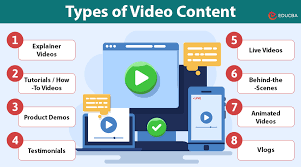
Benefits of Video Marketing
Video marketing helps businesses:
- Increase engagement: Create interactive and valuable content that encourages likes, comments, and shares.
- Improve brand awareness: Reach a wider audience and make your brand more recognizable across platforms.
- Boost website traffic: Drive more visitors through social media, SEO, and content marketing strategies.
- Increase conversions: Turn visitors into customers through targeted and persuasive marketing efforts.
- Build customer trust: Share authentic, helpful, and consistent content to strengthen credibility and loyalty.
Many companies now use AI marketing tools to automate video editing and content recommendations.
Personalized Customer Experiences
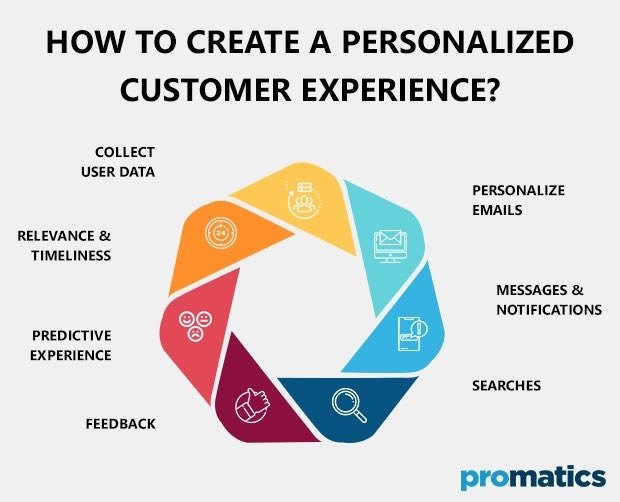
In 2026, AI marketing is transforming how businesses deliver personalized customer experiences by using data, automation, and machine learning to understand individual user needs more accurately. This helps brands move away from generic messaging and focus on highly targeted interactions.
With AI marketing, companies can analyze customer data such as browsing behavior, purchase history, interests, and engagement patterns. Based on these insights, businesses can create personalized product recommendations, offers, and content that match each user’s preferences.
Another important benefit of AI marketing is real-time personalization. Websites, apps, and emails can dynamically change content based on user actions, ensuring that every interaction feels relevant and timely. This improves engagement and increases the chances of conversion.
Ways to Personalize Marketing Campaigns
Businesses personalize campaigns using:
- Customer browsing behavior: Tracks how users interact with websites to understand interests and intent.
- Purchase history: Uses past buying data to suggest relevant products and improve targeting.
- Email segmentation: Groups users based on behavior and preferences for more personalized email campaigns.
- Dynamic website content: Changes website content in real time based on user activity and profile.
- Personalized recommendations: Suggests products or content tailored to individual user needs and interests.
Benefits of Personalized Marketing
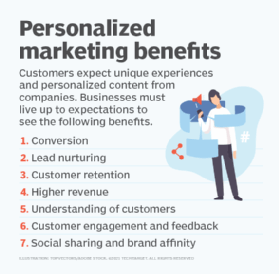
Personalized marketing helps businesses:
- Increase customer loyalty: Personalized experiences encourage customers to return and stay connected with the brand.
- Improve user engagement: Relevant content and offers keep users active and interested across platforms.
- Increase conversions: Targeted recommendations and messaging help turn visitors into customers.
- Build stronger relationships: Consistent and meaningful interactions create long-term trust with customers.
- Improve customer satisfaction: Tailored experiences meet user needs better, leading to happier customers.
Modern AI marketing systems help companies deliver highly targeted customer experiences.
SEO Trends in 2026 with AI Marketing
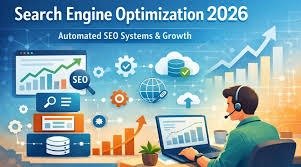
In 2026, AI marketing is reshaping SEO by making search optimization more intelligent, automated, and focused on user intent. Businesses are no longer relying only on traditional keyword strategies; instead, they are using AI-driven insights to improve rankings and visibility.
One major trend is AI-powered keyword research, where AI marketing tools analyze large datasets to identify high-performing keywords, search intent, and content gaps more accurately and quickly.
Another important trend is intent-based search optimization. With AI marketing, search engines and tools now understand what users really want, so content must focus on answering questions and solving problems rather than just targeting keywords.
AI-generated content optimization is also growing, where businesses use AI marketing tools to structure, refine, and improve content quality for better SEO performance.
Important SEO Strategies
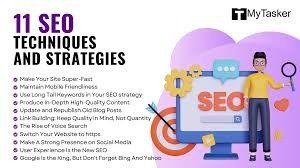
Successful SEO strategies include:
- Search intent optimization: Focuses on understanding and matching what users actually want when they search online.
- Mobile-friendly design: Ensures websites are fully responsive and provide a smooth experience on all mobile devices.
- High-quality content: Creates valuable, informative, and engaging content that meets user needs and improves rankings.
- Technical SEO improvements: Enhances website speed, structure, indexing, and performance for better search visibility.
- Voice search optimization: Optimizes content for natural, conversational queries used in voice assistants.
Why SEO Remains Important
SEO helps businesses:
- Increase organic traffic: Attract more visitors through search engines without paid ads.
- Improve online visibility: Help your website appear higher in search results and reach a wider audience.
- Generate qualified leads: Bring in users who are genuinely interested in your products or services.
- Build brand authority: Establish your business as a trusted and expert source in your industry.
- Improve user experiences: Create fast, easy, and engaging website experiences that keep users satisfied.
Many businesses now integrate AI marketing tools into SEO campaigns for advanced keyword research and competitor analysis.
Social Media Marketing Trends in 2026
In 2026, social media marketing is more focused on short-form videos, AI-driven content, and real-time engagement. Brands are using platforms to connect with audiences in faster and more interactive ways.
Influencer marketing continues to grow, especially with micro and nano influencers who have highly engaged followers. Social commerce is also rising, allowing users to buy products directly from social media apps.
Live streaming, interactive posts, and personalized content are helping businesses increase engagement and build stronger customer relationships.
Popular Social Media Marketing Trends
Key social media trends include:
- Short-form video content: Quick, engaging videos that capture attention and increase reach
- Influencer collaborations: Partnering with creators to promote brands and build trust with audiences.
- Interactive posts: Content like polls, quizzes, and questions that boost engagement.
- Social commerce: Buying and selling products directly through social media platforms.
- Live streaming: Real-time videos that connect brands with audiences and encourage instant interaction.
Benefits of Social Media Marketing
Social media marketing helps businesses:
- Increase brand awareness: Helps more people recognize and remember your brand across social media platforms.
- mprove customer engagement: Encourages likes, comments, shares, and active interaction with your content.
- Generate leads: Attracts potential customers through targeted campaigns and social media content
- Build customer loyalty: Strengthens relationships by maintaining consistent and valuable communication.
- Increase website traffic: Drives users from social platforms to your website for more information or purchases.
Businesses using AI marketing can automate social media scheduling and audience
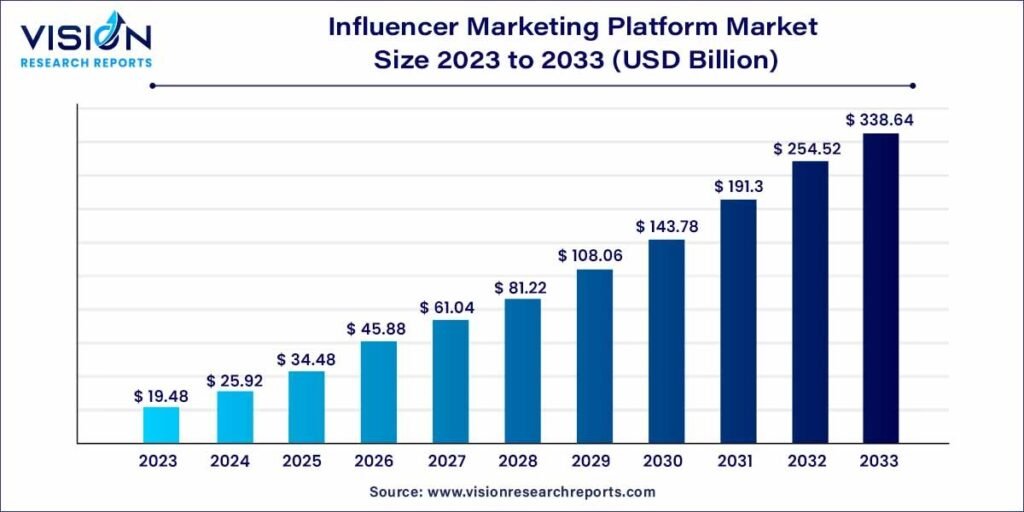
Influencer Marketing Growth in Digital Marketing Trends 2026
In 2026, influencer marketing continues to grow as one of the most effective strategies in digital marketing. Brands are increasingly collaborating with influencers to reach targeted audiences in a more authentic and engaging way.
One major reason for this growth is trust. Audiences tend to trust recommendations from influencers more than traditional advertisements. This helps businesses build credibility and improve brand awareness quickly.
Another key trend is the rise of micro and nano influencers. These creators have smaller but highly engaged audiences, making their content more impactful and cost-effective for brands.
Influencer marketing is also becoming more data-driven. Businesses now use analytics and AI tools to track performance, measure engagement, and choose the right influencers for better results.
Short-form video platforms and live streaming have further boosted influencer marketing. Influencers create real-time and interactive content that increases engagement and drives faster conversions.
Types of Influencers
Businesses work with:
- Nano influencers: Individuals with small but highly engaged audiences, offering strong trust and niche targeting.
- Micro influencers: Creators with moderate followers who provide high engagement and cost-effective brand promotion.
- Industry experts: Professionals who share knowledge and build credibility through expert insights and authority.
- Content creators: Digital creators who produce engaging videos, posts, and stories across social media platforms.
- Celebrity influencers: Famous personalities with large audiences who help brands gain massive reach and visibility.
Advantages of Influencer Marketing
Influencer campaigns help businesses:
- Reach targeted audiences
- Improve credibility
- Increase engagement
- Generate authentic content
- Improve sales
Brands use AI marketing analytics to identify the best influencers for their target audience.

Marketing Automation in2026
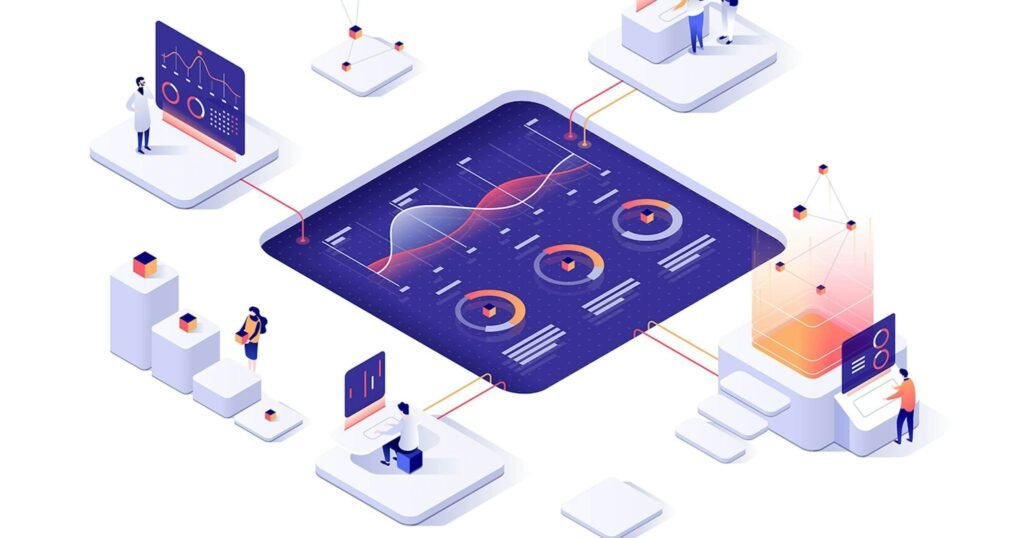
In 2026, aimarketing plays a major role in transforming marketing automation into a more intelligent, data-driven, and highly personalized system. Businesses are using automation tools powered by AI to streamline marketing tasks, improve efficiency, and deliver better customer experiences at scale.
One of the biggest changes in aimarketing automation is AI-powered workflow management. Tasks like email campaigns, social media scheduling, lead nurturing, and customer segmentation are now fully automated and continuously optimized based on real-time user behavior and data insights.
Personalization has also become more advanced. With aimarketing, automation systems analyze customer preferences, browsing history, and engagement patterns to deliver highly targeted messages, product recommendations, and offers that increase conversions and engagement.
Lead generation and nurturing are more efficient than ever. aimarketing automation tools can score leads based on their behavior, prioritize high-quality prospects, and guide them through the sales funnel with minimal manual effort from marketing teams.
Another key improvement is omnichannel communication. Businesses now use aimarketing automation to connect with customers across email, SMS, websites, chatbots, and social media, ensuring consistent messaging and a smooth customer journey.
Overall, aimarketing in marketing automation is helping businesses save time, reduce costs, and improve results by combining AI intelligence with automated systems to create smarter and more effective marketing strategies.
Automation tools are becoming essential for modern digital marketing strategies.
Task that can be automated
Marketing automation in 2026 powered by aimarketing allows businesses to streamline repetitive tasks and focus more on strategy and creativity. Many daily marketing activities can now be automated using AI-driven tools for better efficiency and performance.
- Email marketing campaigns: Automated sending of personalized emails based on user behavior, preferences, and timing.
- Social media posting: Scheduling and publishing posts across multiple platforms automatically.
- Lead scoring and nurturing: Identifying high-quality leads and guiding them through the sales funnel.
- Customer segmentation: Automatically grouping users based on demographics, interests, and behavior.
- Ad campaign optimization: Adjusting bids, targeting, and budgets in real time for better ROI.
- Performance reporting: Generating automated reports with insights on campaign results and analytics.
- Chatbots and customer support: Providing instant responses to customer queries 24/7.
Benefits of Marketing Automation
Automation helps businesses:
- Improve productivity: Helps teams accomplish more tasks in less time with better organization and tools.
- Increase efficiency: Streamlines marketing processes for faster and smoother workflow execution.
- Reduce manual work: Automates repetitive tasks like emails, reporting, and scheduling.
- Improve lead management: Tracks, scores, and nurtures leads more effectively for better conversions
- Increase customer engagement: Delivers timely and relevant communication to keep customers active and interested.
Modern AI marketing platforms provide advanced automation capabilities for businesses of all sizes.
Mobile-First Marketing Strategies
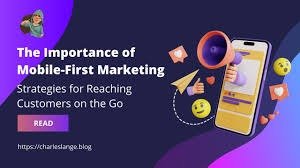
Mobile-first marketing strategies in 2026 focus on reaching and engaging users primarily through smartphones, as most online activity now happens on mobile devices. Businesses design their marketing campaigns, websites, and content with mobile users as the top priority.
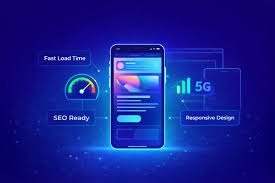
Key strategies include creating responsive websites that adapt to all screen sizes and ensuring fast loading speed for better user experience. Mobile-friendly navigation and simplified layouts also help users find information easily.
Brands also use mobile-optimized content such as short videos, vertical formats, and interactive posts to increase engagement. SMS marketing, app notifications, and mobile ads are widely used for direct communication.
Overall, mobile-first strategies help businesses improve user experience, increase engagement, and drive higher conversions in 2026.
Mobile Optimization Best Practices
Businesses should focus on:
- Responsive website design: Adjusts automatically to different screen sizes for a better user experience.
- Fast-loading pages: Ensures quick access to content, reducing bounce rates and improving engagement
- Mobile-friendly navigation: Makes menus and buttons easy to use on smartphones and tablets.
- Optimized images: Reduces file size while maintaining quality for faster performance.
- Simplified forms: Uses fewer fields and easy input options to improve conversions on mobile devices.
Benefits of Mobile Optimization
Mobile-first strategies help businesses:
- Improve user experience: Mobile-first design ensures websites are easy to use on smartphones and tablets.
- Increase traffic: More users access content through mobile devices, boosting overall website visits.
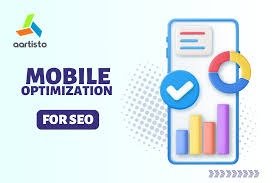
- Boost SEO rankings: Search engines prioritize mobile-friendly websites in search results.
- Higher engagement: Faster loading and better design keep users active for longer.
- Increase conversions: Simple navigation and mobile optimization lead to more sales and leads.
- Reach wider audience: Helps businesses connect with users in mobile-first regions and markets.
- Faster loading speed: Optimized design reduces bounce rates and improves performance.
Many companies combine mobile optimization with AI marketing personalization technologies.
Data-Driven Marketing in 2026
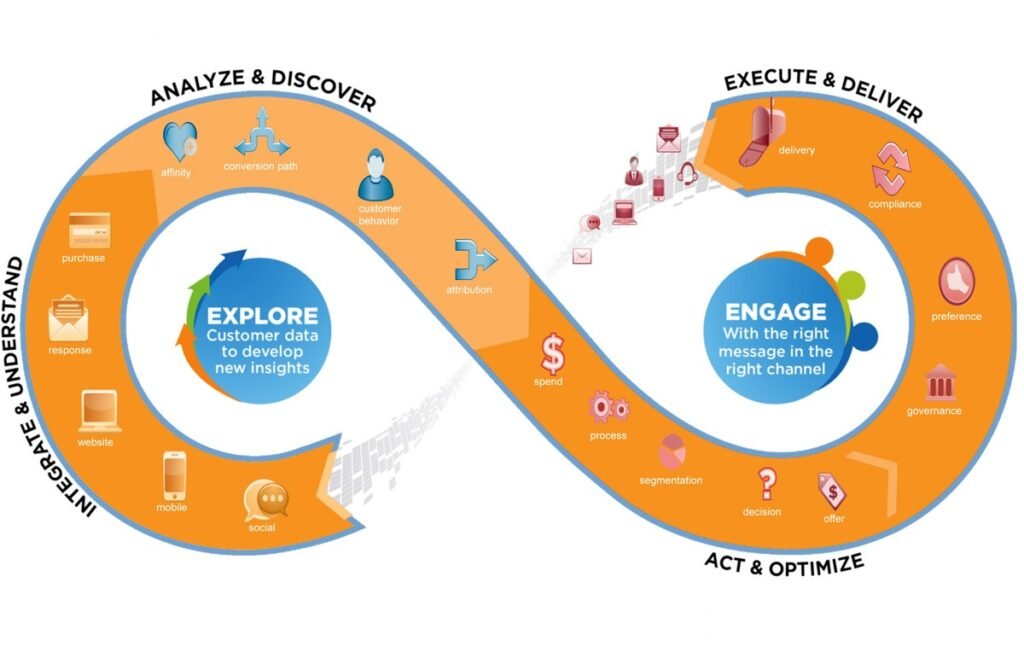
In 2026, aimarketing powered data-driven marketing has become the core of every successful digital strategy. Brands are now relying on real-time analytics, machine learning models, and predictive insights to understand customer behavior and deliver more effective campaigns.
A major shift in aimarketing is the use of AI systems to process large volumes of customer data instantly. These systems analyze interactions across websites, apps, email, and social media to identify patterns that humans might miss. As a result, marketers can make faster and more accurate decisions based on evidence rather than assumptions.
Personalization is one of the strongest outcomes of data-driven aimarketing. Businesses can now tailor content, product recommendations, and advertisements based on individual user behavior and intent. This leads to higher engagement rates, improved customer satisfaction, and stronger brand loyalty.
Predictive analytics has also become a key component of modern aimarketing strategies. Instead of reacting to past behavior, brands can now forecast future actions such as purchase likelihood, churn risk, and content preferences. This allows companies to optimize budgets and focus on high-value audiences.
At the same time, data privacy and ethical usage have become more important than ever. With increasing regulations and user awareness, aimarketing strategies must prioritize transparency, consent-based data collection, and responsible use of first-party data.
Overall, aimarketing in 2026 is transforming how businesses operate by turning raw data into actionable insights. Companies that successfully combine AI, analytics, and ethical practices are achieving more precise targeting and stronger long-term customer relationships.
Important Marketing Data Sources
In 2026, effective aimarketing depends heavily on accessing accurate and diverse data sources. Businesses that understand where their data comes from are better equipped to build personalized campaigns, improve targeting, and optimize performance across channels.
One of the most valuable sources is first-party data, which includes information collected directly from customers through websites, apps, CRM systems, email subscriptions, and purchase histories. This type of data is highly reliable and privacy-compliant, making it the foundation of modern data-driven aimarketing strategies.
Website analytics platforms are another critical source. They provide insights into user behavior such as page visits, bounce rates, session duration, and conversion paths. These metrics help marketers understand what content works best and where users drop off in the journey.
Social media platforms also generate large volumes of useful data. Engagement metrics like likes, shares, comments, and click-through rates help brands measure content performance and audience interest. In addition, social listening tools allow businesses to track brand sentiment and trending topics in real time.
Customer Relationship Management (CRM) systems play a major role in organizing and analyzing customer interactions. They help businesses track leads, manage relationships, and segment audiences for more targeted aimarketing campaigns.
Finally, third-party and market research data can provide broader industry insights, competitor analysis, and demographic trends. Although its usage has decreased due to privacy changes, it still helps businesses understand market conditions and benchmark performance.
Businesses collect data from:
Website analytics: Tracks user behavior, page visits, and interactions on a website.
Social media platforms: Collects engagement data like likes, shares, comments, and reach.
CRM systems: Stores customer details, purchase history, and interaction records.
Email marketing tools: Provides data on open rates, click rates, and user engagement.
Online surveys & feedback: Gathers direct opinions, preferences, and customer satisfaction insights.
E-commerce platforms: Tracks buying behavior, cart activity, and product performance.
Paid advertising platforms: Collects data on ad performance, impressions, and conversions.
Benefits of Data-Driven Marketing with aimarketing
In 2026, aimarketing has made data-driven marketing more powerful, efficient, and scalable than ever before. By using advanced analytics, artificial intelligence, and real-time insights, businesses can make smarter decisions and achieve stronger marketing outcomes.
One of the key benefits of aimarketing in data-driven strategies is improved targeting accuracy. Instead of broad audience segmentation, marketers can now identify specific user groups based on behavior, interests, and purchase intent. This leads to more relevant campaigns and higher conversion rates.
Another major advantage is enhanced personalization. aimarketing tools allow brands to deliver customized content, product recommendations, and offers tailored to individual users. This level of personalization increases engagement and builds stronger customer relationships.
Better decision-making is also a significant benefit. With real-time data analysis, marketers no longer rely on guesswork. They can quickly understand what is working and what needs improvement, allowing for faster optimization of campaigns and budgets.
Cost efficiency is another important outcome. By focusing only on high-performing channels and audiences, aimarketing helps reduce wasted ad spend and improves overall return on investment (ROI).
Additionally, predictive insights enable businesses to stay ahead of customer needs. aimarketing systems can forecast trends, customer behavior, and potential churn, allowing marketers to act proactively instead of reactively.
Overall, the integration of aimarketing into data-driven marketing empowers businesses to operate with greater precision, efficiency, and impact, making it a critical strategy for success in 2026.
Data-driven strategies help businesses:
Improve decision-making: Data-driven strategies help businesses make smarter and more accurate decisions based on real insights.
Increase marketing efficiency: Resources are used better by focusing on what works and eliminating ineffective strategies.
Enhance customer targeting: Businesses can identify and reach the right audience with personalized campaigns.
Boost ROI: Better targeting and optimization lead to higher returns on marketing investments.
Understand customer behavior: Data reveals how customers interact, what they prefer, and what influences their choices.
Optimize campaigns: Performance can be tracked and improved in real time for better results.
Advanced AI marketing tools process large amounts of data quickly and accurately.
Content Marketing in 2026
In 2026, content marketing continues to transform rapidly, especially with the growing influence of AI marketing include strategies across all digital platforms. Brands are no longer relying only on traditional content creation methods; instead, they are integrating AI-driven tools to plan, produce, and optimize content at scale while maintaining relevance and quality.
One of the most important shifts is the widespread adoption of AI in marketing workflows. When we talk about AI marketing include, it covers everything from automated content generation and keyword research to predictive audience targeting and performance analytics. This allows marketers to create highly efficient campaigns while reducing manual effort and improving accuracy in decision-making.
Personalization has also reached a new level in 2026. AI-powered systems now analyze user behavior in real time to deliver dynamic content experiences. Whether it is websites, emails, or social media posts, content is increasingly tailored to individual preferences, improving engagement and conversion rates.
Short-form content continues to dominate attention spans, but it is now more strategically produced using AI insights. Platforms prioritize content that is not only engaging but also contextually relevant. At the same time, long-form content remains essential for SEO authority, especially when supported by AI-optimized structure and semantic keyword mapping.
Search engines are also evolving with AI integration, making conversational and intent-based queries more important than ever. This has pushed marketers to focus on natural language content, topic clusters, and user-first writing rather than keyword stuffing.
In conclusion, AI marketing include strategies are reshaping how content is created, distributed, and consumed in 2026. The future belongs to brands that effectively combine AI efficiency with human creativity to deliver meaningful, personalized, and trustworthy content experiences.
Popular Content Types in 2026
In 2026, aimarketing is strongly influencing how brands create and distribute content across digital platforms. With changing user behavior and AI-driven personalization, content formats are becoming more dynamic, interactive, and data-backed than ever before.
One of the most popular formats is short-form video content. Platforms prioritize quick, engaging videos that deliver value within seconds. In aimarketing, these videos are often optimized using AI insights to match audience interests, trending topics, and optimal posting times, resulting in higher reach and engagement.
Another growing format is interactive content such as quizzes, polls, calculators, and augmented reality experiences. These formats keep users engaged for longer periods and generate valuable behavioral data that strengthens aimarketing strategies through better audience understanding.
Long-form educational content also remains highly important in 2026. Blogs, guides, and in-depth articles are used to build authority and improve search visibility. With aimarketing, these pieces are now structured using AI-driven keyword clustering and semantic optimization to match search intent more effectively.
Personalized email content continues to perform strongly as well. AI-powered aimarketing systems segment audiences and deliver tailored messages based on user actions, preferences, and lifecycle stages, increasing open rates and conversions.
Finally, user-generated content (UGC) has become a major trust-building tool. Reviews, testimonials, and social media posts from real customers help brands increase credibility. In aimarketing, UGC is analyzed and repurposed to create more authentic and relatable campaigns.

Businesses create:
- Blog articles: Written content sharing tips, insights, and updates that improve SEO, attract traffic, and build authority.
- Videos: Visual content that explains ideas, shows products, and boosts engagement on platforms like YouTube and social media.
- Podcasts: Audio content for discussions, interviews, and insights, helping brands reach audiences who prefer listening.
- Infographics: Simple visual content that presents data and information clearly, making complex topics easy to understand and share.
Content marketing continues to be one of the most effective digital strategies in 2026, especially when supported by aimarketing approaches that use data and AI to improve performance. It helps businesses attract, engage, and convert audiences by delivering valuable and relevant content instead of direct promotion.
One of the main benefits is increased brand awareness. Consistent, high-quality content helps businesses reach new audiences across search engines, social media, and other digital platforms. With aimarketing, this content is optimized using data insights to ensure it reaches the right people at the right time.
Another major advantage is improved SEO performance. Search engines prioritize useful, informative, and well-structured content. aimarketing tools help identify keywords, user intent, and trending topics, allowing brands to create content that ranks higher and drives organic traffic.
Content marketing also builds trust and credibility. When businesses consistently provide helpful information, tutorials, and insights, audiences begin to see them as reliable industry experts. This trust leads to stronger customer relationships and long-term loyalty.
Lead generation is another key benefit. Valuable content such as blogs, ebooks, and guides encourages users to share their contact information in exchange for resources. With aimarketing, these leads can be nurtured more effectively through personalized follow-ups and targeted campaigns.
Content marketing helps businesses:
Improve SEO: Content marketing helps websites rank higher by using relevant keywords and answering user questions, bringing steady organic traffic.
Build authority and trust: Regular, helpful content makes a brand look expert and trustworthy in its industry.
Increase website traffic: Blogs, videos, and guides attract visitors from search engines and social media.
Generate leads: Valuable content like ebooks and newsletters turns visitors into potential customers.
Educate customers: Content explains products and topics clearly, helping customers make better decisions.
Many businesses now use AI marketing platforms to streamline content creation and topic research
AI Marketing Impact on Digital Growth in 2026
AI marketing is becoming one of the most powerful drivers of digital growth in 2026. Businesses are using AI marketing to understand customer behavior, improve targeting, and deliver more personalized experiences across all digital channels.
With AI marketing, companies can automate repetitive tasks such as email campaigns, social media posting, and customer segmentation. This helps marketers save time and focus on strategy and creativity instead of manual work.
AI marketing also improves decision-making by analyzing large amounts of data quickly. Businesses can identify trends, predict customer needs, and optimize campaigns in real time, leading to higher engagement and better conversion rates.
Faster decision-making: AI helps analyze data quickly, allowing marketers to make smart decisions in real time. Better personalization: Content and ads are tailored to user behavior, improving engagement and conversions. Improved targeting: AI identifies the right audience for campaigns, reducing wasted ad spend. Higher efficiency: Automates tasks like content creation, email marketing, and reporting. Increased ROI: Optimized campaigns deliver better results with lower costs. Predictive insights: AI forecasts trends and customer behavior for better planning. Stronger customer experience: Delivers relevant and timely content across all channels.
Overall, AI marketing is no longer optional in 2026—it is a key part of every successful digital marketing strategy.
Faster decision-making: AI helps analyze data quickly, allowing marketers to make smart decisions in real time.
Key Benefits of AI Marketing Impact on Digital Growth in 2026
Better personalization: Content and ads are tailored to user behavior, improving engagement and conversions.
Improved targeting: AI identifies the right audience for campaigns, reducing wasted ad spend.
Higher efficiency: Automates tasks like content creation, email marketing, and reporting.
Increased ROI: Optimized campaigns deliver better results with lower costs.
Stronger customer experience: Delivers relevant and timely content across all channels.
Conclusion
Digital marketing in 2026 will focus heavily on automation, personalization, data intelligence, and customer experiences. Businesses that adopt modern technologies early will gain stronger visibility and better customer engagement.
The growing importance of AI marketing shows how technology is reshaping the digital landscape. Businesses that use intelligent marketing tools can automate workflows, improve targeting, and create more personalized customer journeys.
Companies that focus on SEO, video marketing, social media engagement, and data-driven strategies will remain competitive in the rapidly evolving digital marketplace.
