
Introduction to Digital Marketing Strategies(H2)
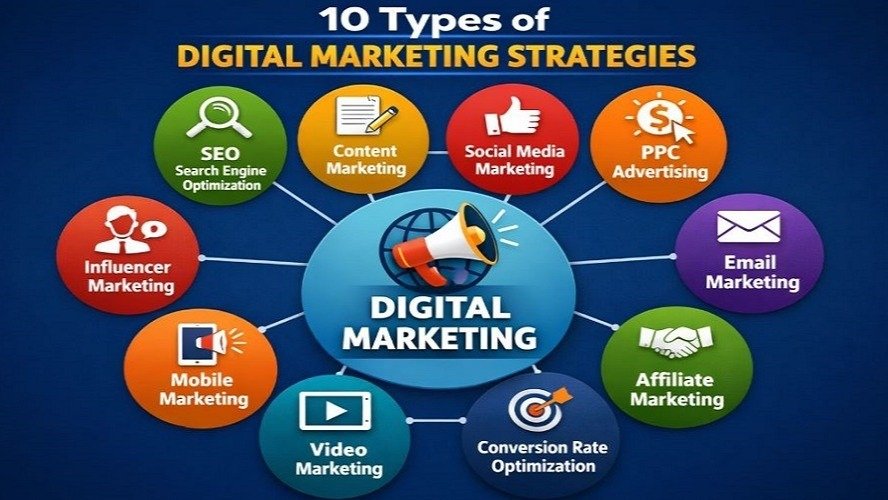
Digital marketing strategies play a crucial role in helping businesses promote their products and services online. In today’s digital world, companies rely on the internet, social media platforms, search engines, and other online channels to connect with their target audience. By using well-planned digital marketing strategies, businesses can increase brand awareness, attract potential customers, and improve their overall market presence.
H3:What Are Digital Marketing Strategies?
Digital marketing strategies are planned actions that businesses use to promote their brand, products, or services through digital channels. These strategies include methods such as search engine optimization (SEO), content marketing, social media marketing, email marketing, and online advertising. The goal of digital marketing strategies is to reach the right audience, deliver valuable information, and encourage customers to take action, such as making a purchase or subscribing to a service.
H3:Why Digital Marketing Strategies Matter for Businesses
Digital marketing strategies are important because they help businesses stay competitive in an online marketplace. With more customers using the internet to research products and services, companies must create effective digital campaigns to capture attention and build trust. A strong digital marketing strategy helps businesses reach more people, communicate their brand message clearly, and build long-term relationships with customers.
H3:How Digital Marketing Strategies Help Reach Online Customers
Digital marketing strategies allow businesses to reach customers where they spend most of their time—online. Through search engines, social media platforms, websites, and email campaigns, businesses can deliver personalized messages to their target audience. These strategies help companies understand customer behavior, target specific groups, and provide relevant content that encourages engagement and conversions.
H3:The Growing Importance of Digital Marketing Strategies in 2026
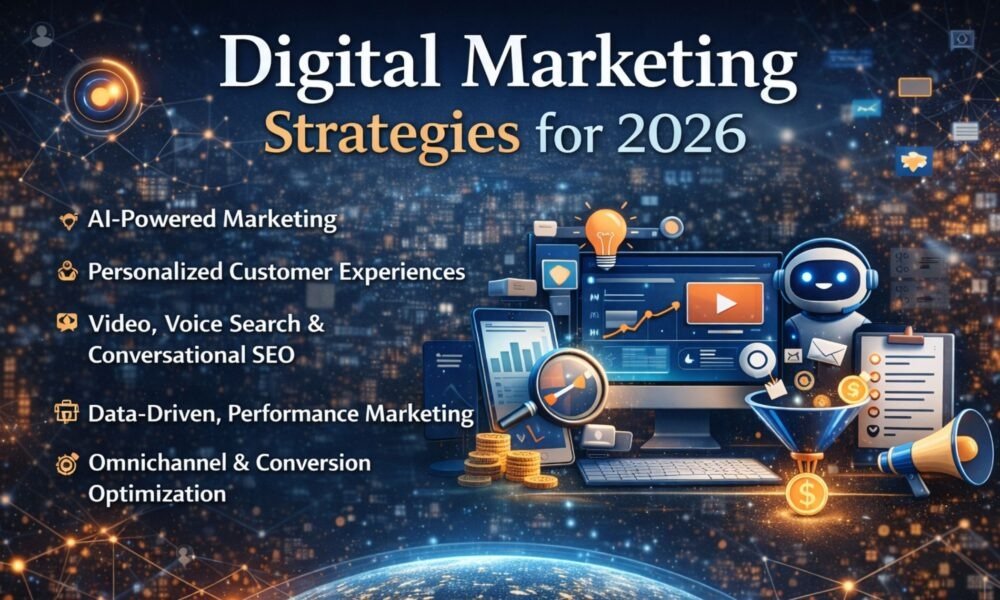
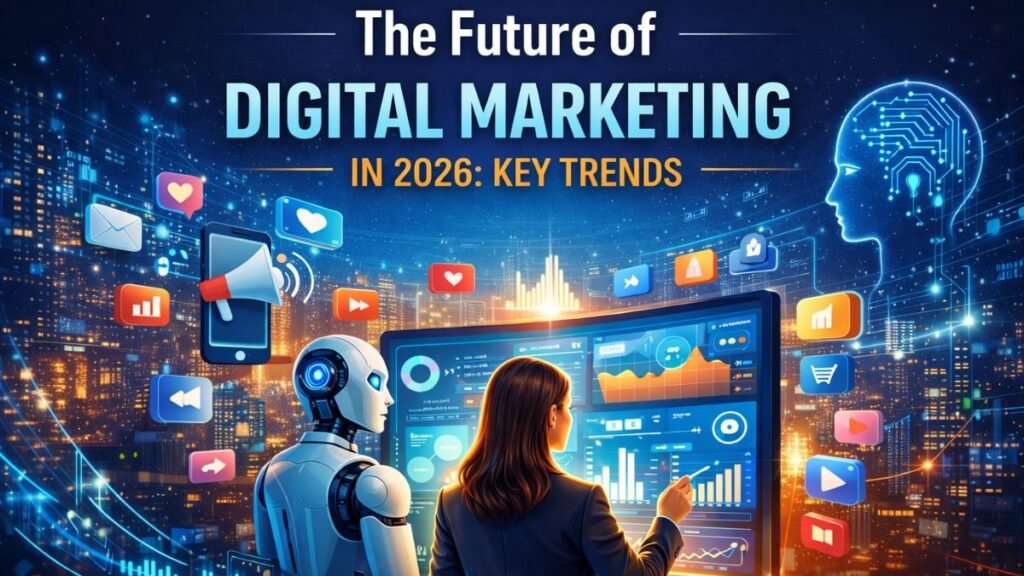
In 2026, digital marketing strategies are expected to become even more important as technology and online platforms continue to evolve. Businesses are increasingly using data analytics, artificial intelligence, and automation to improve their marketing efforts. Companies that adopt modern digital marketing strategies can reach wider audiences, create better customer experiences, and achieve sustainable business growth in the competitive digital landscape.
Table of Contents
1.Understanding Digital Marketing Strategies(H2)
Before implementing any campaign, businesses must understand whatdigital marketing strategies mean. These strategies are structured plans used to promote products or services using onlinemarketing channels such as search engines, websites, email, and social media platforms.
H3:Defining Digital Marketing Strategies
Digital marketing strategies are structured approaches designed to reach potential customers online. They help businesses deliver the right message to the right audience through the most effective channels.including SEO, content marketing, and social media marketing.”
H3:Importance of Target Audience Analysis
Secondary keywords like social media marketing or email marketing can appear naturally when describing platforms.
Effective strategies begin with analyzing target customers and identifying the platforms they use most. Understanding audience behavior allows businesses to create campaigns that attract attention and encourage engagement through social media marketing and email marketing.”
H3:Benefits of a Well-Planned Strategy
A well-planned digital marketing strategy improves visibility, builds trust, and drives long-term success in competitive markets.It also ensures better results from paid advertising and overall online marketing efforts.”
2. Importance of SEO in Digital Marketing Strategies(H2)
Search Engine Optimization (SEO) is a critical component of effective digital marketing strategies. Alongside content marketing, social media marketing, and email marketing, SEO helps websites rank higher in search engine results, driving more organic traffic, increasing visibility, and supporting overall online marketing efforts. Businesses that integrate SEO with other marketing channels can attract the right audience and achieve long-term growth.
H3: What is SEO?
SEO is the process of optimizing your website to appear in search engine results for relevant topics or products. It is a key part of online marketing and other digital channels that help increase organic traffic and brand visibility.
H3: How to Implement SEO in Digital Marketing Strategies
“Optimize website content with relevant keywords and content marketing best practices.
- Improve page speed and mobile responsivenessto enhance user experience in online marketing campaigns.
- Build high-quality backlinks from trusted sourcesto strengthen social media marketing and paid advertising efforts.
H3: Benefits of SEO for Businesses
- Attracts customers without paid advertisements,complementing email marketing campaigns.
- Improves brand credibility and trustacross content marketing and social media marketing platforms.
- Increases long-term website traffic and leads,supporting overall online marketing strategies.
H3: Why SEO is Cost-Effective
Properly implemented SEO reduces dependency on paid advertising while delivering sustainable results, making it one of the most efficient marketing techniquesin your digital marketing strategy toolkit
3.Content Marketing and Digital Marketing Strategies (H2)
Content marketing is a key element of modern digital marketing strategies. It helps businesses educate, inform, and engage their target audience while building trust and authority online.
H3: What is Content Marketing?
Content marketing involves creating valuable content to attract and engage your target audience. It works hand-in-hand with online marketing channels like social media, email campaigns, and paid advertising to educate and inform customers rather than directly selling products.”
H3: Types of Content Formats
- Blog Articles – Improve SEO and provide useful information.
- Videos – Explain products visually and boost engagement.
- Infographics – Present complex information in an easy-to-understand format.
- Guides and Ebooks – Offer in-depth knowledge and help generate leads.
H3: Benefits of Content Marketing
- Build trust and credibility with your audience,supporting social media marketing efforts.
- Encourages customer interaction and engagement,complementing email marketing campaigns.
- Increases website traffic and improves brand authority,boosting overall SEO results.
H3: How Content Marketing Supports Digital Marketing Strategies
When combined with other digital marketing strategieslike social media marketing, SEO, and paid advertising, content marketing strengthens brand presence, fosters long-term customer relationships, and contributes to overall online business growth.

4.Social Media and Digital Marketing Strategies(H2)
Social media platforms have become essential for modern digital marketing strategies. Millions of people spend time on platforms like Facebook, Instagram, and LinkedIn every day. Businesses can use these platforms to communicate directly with their audience.
H3:Role of Social Media in Digital Marketing
Social media allows businesses to share content, promote products, and engage with followers in real time. It also works alongside SEO and paid advertising to increase brand visibility and drive traffic to your website.
H3:Creating Engaging Content
Successful digital marketing strategies use social media to post engaging content that encourages users to like, comment, and share. High-quality visuals, videos, and interactive posts also support content marketing and enhance email marketing campaigns for better audience engagement.
H3:Importance of Consistency
Consistent activity on social media strengthens overall digital marketing strategies. Regular posts and interactions improve visibility, build trust, and foster stronger connections with the audience,complementing SEO and other online marketing channels.

5.Email Marketing and Digital Marketing Strategies(H2)
Email marketing remains one of the most effective digital marketing strategies for maintaining customer relationships. It complements other online marketing efforts like content marketing and social media marketing, allowing businesses to send personalized messages directly to customers who have already shown interest in their products.
H3:Types of Email Campaigns
Common types of email campaigns include:
- Newsletters: Share updates, tips, or company news and integrate with content marketing campaigns.
- Promotional Emails: Highlight sales, offers, or special deals to support paid advertising initiatives.
- Product Updates: Inform customers about new products or features and encourage visits through social media marketing channels.
H3:Benefits of Email Marketing
When used correctly, email campaigns can:
- Keep customers informed and engaged.
- Encourage repeat visits to a website.
- Improve conversion rates.
- Strengthen long-term customer relationships.
H3:Best Practices for Effective Email Campaigns
- Personalization: Address customers by name and tailor content to their interests,aligning with content marketing campaigns.
- Clear Call-to-Action (CTA): Guide readers toward a specific action,complementing SEO and online marketing strategies.
- Mobile Optimization: Ensure emails display well on all devicesto boost social media marketing engagement.
- Segment Your Audience: Send relevant messages to the right groups,improving paid advertising performance.
- Test and Analyze: Use A/B testing and metrics to optimize performance,supporting overall digital marketing strategies.

6. PPC and Digital Marketing Strategies(H2)
PPC (Pay-Per-Click) advertising is an important part of digital marketing strategies. It allows businesses to promote their products or services through paid advertisements on search engines and social media platforms. In PPC advertising, businesses only pay when a user clicks on their ad, making it a measurable and cost-effective marketing approach. PPC helps companies increase visibility, drive targeted traffic, and generate leads quickly.
H3:How PPC Works
PPC campaigns operate through an online bidding system where advertisers select keywords related to their products or services. This system works in combination with SEO and other online marketing channels to maximize visibility and reach the right audience.When users search for these keywords on search engines, the ads appear at the top or bottom of the search results. Advertisers set a budget and bid amount for each keyword, and the search engine determines which ads appear based on factors like bid value and ad quality. Businesses are charged only when someone clicks on their advertisement.
H3:Benefits of PPC in Digital Marketing
Immediate Results:
Unlike organic strategies that take time, PPC ads can appear instantly ,complementing SEO and content marketing efforts.
Highly Targeted Advertising:
Businesses can target their audience based on location, age, interests, device type, boosting social media marketing campaigns.
Better Budget Control:
Advertisers can manage daily or monthly spending while supporting other online marketing initiatives.
Measurable Performance:
PPC analytics (clicks, impressions, conversions, ROI) help refine email marketing and content marketing strategies.
Supports Other Marketing Channels:
PPC works alongside SEO, content marketing, and social media marketing to improve overall digital marketing performance.
H3:Best Practices for PPC Campaigns
Choose the Right Keywords:
Select keywords that align with SEO and online marketing goals.
Write Effective Ad Copy:
Use engaging headlines and descriptions to support content marketing campaigns.
Optimize Landing Pages:
Ensure landing pages complement email marketing and social media marketing efforts.
Track and Analyze Performance:
Monitor metrics to enhance paid advertising and online marketing strategies.
Test and Improve Campaigns:
Use A/B testing to refine SEO and content marketing integration.

7.Mobile Optimization in Digital Marketing Strategies(H2)
Mobile devices now account for a large percentage of internet usage. Because of this trend, businesses must include mobile optimization in their digital marketing strategies to enhance SEO, support content marketing, and strengthen social media marketing and email marketing efforts as part of their overall online marketing approach.
H3:Importance of Mobile Optimization
A mobile-friendly website loads quickly and adapts to different screen sizes. Optimizing for mobile also improves SEO performance and ensures that social media marketing and content marketing campaigns reach users effectively on all devices.
H3:Benefits of Mobile Optimization
- Improved User Experience: Easier navigation and faster loading retain visitors and support content marketing engagement.
- Higher Engagement: Mobile-friendly sites encourage users to interact with social media marketing posts and website content.
- Better SEO Performance: Search engines favor websites optimized for mobile,boosting online marketing effectiveness.
- Increased Conversions: A smooth mobile experience helps convert visitors into customers,complementing email marketing campaigns.
H3:Best Practices for Mobile Optimization
- Responsive Design: Ensure the site adapts seamlessly to all device sizes,improving SEO and online marketing results.
- Fast Loading Speeds: Minimize images and scripts that slow down the site,supporting content marketing campaigns.
- Clear Navigation: Use simple menus and buttons suitable for touch screens,to enhance user experience for social media marketing and email marketing.
- Test on Multiple Devices: Check usability across smartphones and tablets,to boost SEO and engagement.
- Optimize Content: Use concise text, legible fonts, and mobile-friendly media,to support content marketing and online marketing strategies.

8.Data Analysis in Digital Marketing Strategies(H2)
Data analysis plays a critical role in improving digital marketing strategies. By analyzing performance metrics, businesses can optimize SEO, refine content marketing, enhance social media marketing campaigns, and improve email marketing efforts, making their overall online marketing more effective.
H3:Importance of Data Analysis
Analytics help companies understand which digital marketing strategies are effective and which need improvement.Insights from SEO, social media marketing, and paid advertising campaigns allow marketers to make data-driven decisions and optimize results.
H3:Key Metrics to Track
- Website Traffic: Measures the number of visitors and their sources,supporting SEO and online marketing efforts.
- User Behavior: Tracks how users interact with content marketing and social media marketing campaigns.
- Conversion Rates: Indicates how many visitors complete desired actions,improving email marketing and paid advertising results.
- Engagement Metrics: Likes, shares, comments, and time spent on pages help gauge audience interest in social media marketing and content marketing
H3:Benefits of Regular Analytics
- Optimize Campaigns: Make data-driven adjustments to SEO and online marketing performance.
- Align with Business Goals: Ensure strategies support content marketing and email marketing objectives.
- Identify Opportunities: Discover trends, audience preferences, and gaps in social media marketing campaigns.
- Measure ROI: Track the effectiveness of paid advertising and online marketing campaigns.
H3:Best Practices for Using Analytics
- Use Reliable Tools: Google Analytics, HubSpot, or other analytics platforms to monitor SEO and content marketing campaigns.
- Set Clear Goals: Define KPIs for online marketing and social media marketing performance.
- Regular Reporting: : Track email marketing and paid advertising results frequently to spot trends.
- Test and Iterate: Use insights to refine SEO, content marketing, and social media marketing strategies continuously.

9.Influencer Marketing and Digital Marketing Strategies(H2)
Influencer marketing has become popular in recent years and is now part of many digital marketing strategies. Alongside social media marketing, content marketing, and SEO, influencers help businesses reach their audience authentically and strengthen overall online marketing efforts.
H3:Role of Influencers in Digital Marketing
Influencers act as trusted voices for their audience. When they recommend a product, their followers are more likely to consider it, complementing social media marketing, content marketing, and email marketing campaigns for maximum impact.
H3:Selecting the Right Influencer
Businesses collaborate with influencers who align with their brand identity. Consider factors like:
- Audience demographics:Ensure alignment with your social media marketing and content marketing goals.
- Engagement rates:High engagement supports SEO and online marketing performance.
- Content style and values:Match your content marketing strategy for consistency.
- Reputation and authenticity:Builds trust and complements email marketing and paid advertising campaigns.
H3:Benefits of Influencer Marketing
- Expanded Reach: Access to the influencer’s audience enhances social media marketing campaigns
- Increased Credibility: Recommendations feel authentic, supporting content marketing and email marketing efforts.
- Higher Engagement: Followers are more likely to interact with branded content, boosting SEO and online marketing results.
- Boosted Conversions: : Influencer promotions drive purchases and traffic, complementing paid advertising campaigns.
H3:Best Practices for Influencer Partnerships
- Set Clear Goals: Define what you want to achieve (awareness, sales, engagement) to integrate with social media marketing and email marketing
- Build Long-Term Relationships: Collaborate consistently to strengthen content marketing campaigns.
- Monitor Performance: Track reach, clicks, and conversions to improve SEO and online marketing performance.
- Ensure Authenticity: Avoid forced promotions that could negatively affect paid advertising and social media marketing results.

10.The Future of Digital Marketing Strategies(H2)
The future of marketing will continue to evolve with technology. Artificial intelligence, voice search, and personalized content will shape new digital marketing strategies, enhancing SEO, supporting content marketing, improving social media marketing, and integrating email marketing into modern online marketing campaigns.
H3:Emerging Trends in Digital Marketing
- Artificial Intelligence (AI): Helps automate campaigns, analyze data, and personalize customer experiences complementing content marketing and email marketing.
- Voice Search Optimization:Adapting content for voice-enabled devices like smart speakers to improve SEO and online marketing reach.
- Personalized Content: Delivering tailored messages based on user behavior and preferences,supporting social media marketing and paid advertising campaigns.
H3:Importance of Staying Updated
Businesses that keep up with emerging trends can adapt their digital marketing strategies to remain competitive. Staying updated ensures SEO, content marketing, social media marketing, and email marketing campaigns continue to perform effectively within modern online marketing frameworks.
H3:Focus on Customer Experience
Providing valuable content and a seamless user experience is crucial for long-term success. Enhancing content marketing, social media marketing, and email marketing efforts ensures satisfied customers are more likely to engage, share, and return.
H3:Benefits of Continuous Refinement
- Maintain Online Visibility: Keep your brand prominent across digital channels, improving SEO and online marketing performance.
- Achieve Sustainable Growth: Adapt strategies to evolving trends and audience needs, strengthening.
- Enhance Engagement and Loyalty: Refined strategies enhance email marketing and paid advertising results and build stronger customer relationships.
Conclusion(H2)
Digital marketing is essential for businesses that want to succeed in the modern online world. Companies must use well-planned digital marketing strategies to reach their target audience and promote their products effectively.
SEO, content marketing, social media engagement, and email campaigns are key elements of successful digital marketing strategies. When businesses combine these techniques, they can increase traffic, improve brand awareness, and boost sales.
The most successful companies regularly review and improve their digital marketing strategies based on data and market trends. By doing so, they create long-term relationships with customers and build strong digital brands.